
Business Contract Disputes | Coral Gables and Sunny Isles Beach
Force Majeure Clauses in Construction Contracts
How owners, developers and contractors can read these clauses before a project stalls, and what to do when the words in the contract begin to matter.
By Kristina E. Wilson · Published November 13, 2026
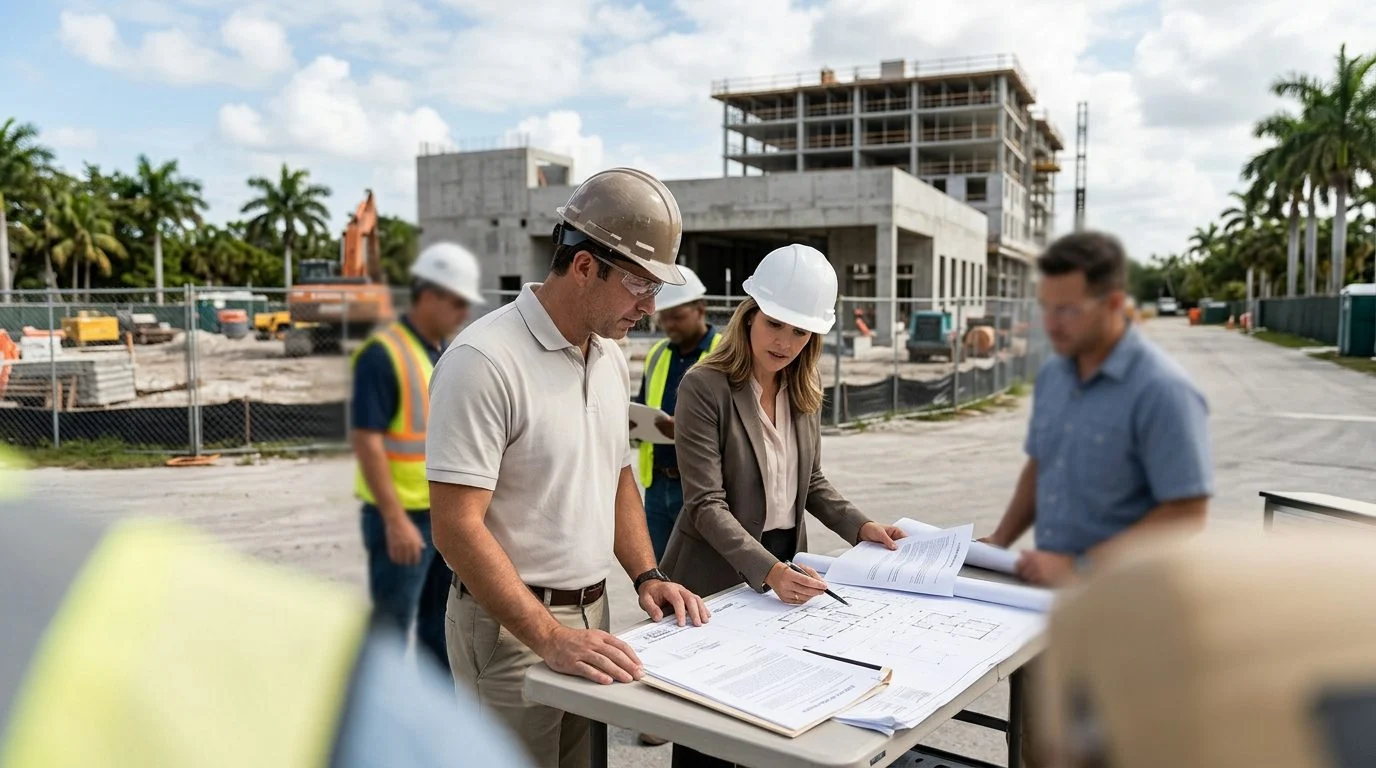
Your project has stalled because of a storm, a permit hold, or a supplier who can’t deliver, and someone is asking who pays for the delay. The answer often starts in one paragraph of the contract: the force majeure clause. It is the provision that decides what happens when an event outside anyone’s control gets in the way of the work.
What is a force majeure clause in construction contracts and what does it protect against?
A force majeure clause excuses or delays performance when an event beyond the parties’ reasonable control prevents or hinders the work. It divides the risk of unforeseen events between the owner, the contractor and the subcontractors, instead of leaving that risk to chance.
Most often it protects against delay. Depending on the wording, it may also relieve a party from liability for not performing. Common triggers include severe weather, fire, government orders, labor disruptions and supply interruptions. The exact list is always written into the contract itself.
The protection only goes as far as the clause’s own words. If what happened isn’t on the list, or doesn’t meet the clause’s conditions, the clause may not help. A storm the contract names is a different question from one it never mentions. Read the list closely before you assume you’re covered.
If a delay has you unsure whether your contract's force majeure clause applies, you don't have to sort it out alone, and KEW Legal can talk it through with you. Talk it through with our team — the first consultation is free, confidential, and carries no obligation.

What is the purpose of a force majeure clause in a contract?
Its purpose is to decide, in advance, which unexpected events shift the consequences of delay. That way, the parties aren’t left arguing about fault after the schedule has already slipped.
In practice, a clause can do several things. It can extend the completion date, pause certain obligations while the event lasts, or give a party a right to end the contract if the disruption continues for a stated period. Which of these apply depends on what the clause says.
Construction contracts often tie the clause to other terms. Schedule milestones, liquidated damages and payment provisions can all shift when a force majeure event is accepted. A time extension may affect whether delay damages apply, depending on how the contract links the two.
A clause is only as clear as its drafting. Definitions, notice steps and the list of events do most of the work.
How does a force majeure clause differ from the doctrine of impossibility of performance?
A force majeure clause is a term the parties negotiate, and it sets its own triggers, notice steps and remedies. The impossibility doctrine is a general contract-law idea about performance that becomes impossible. It matters most when the contract itself does not address the event.
Both deal with events nobody planned for, so the two ideas overlap in purpose. They differ in where the rules come from. A clause’s list of events and procedures is whatever the parties agreed to. General principles only fill the gaps a contract leaves.
This matters for how you approach a dispute. With a clause, the first questions are usually whether the event is on the list and whether the notice steps were followed. Without one, the question moves to general principles, and how those apply turns on the particular case. Don’t assume a general principle covers your situation until you’ve checked the contract’s own terms.
Why is it called force majeure?
The name is French for “superior force,” a phrase for events stronger than any one party’s control. The term entered contract drafting from French, and English-language agreements often keep the French words as a heading.
The heading is a label, though. The operative words are what count. Many modern clauses describe triggering events in plain English, such as “severe weather,” “government orders” or “strikes.” The label doesn’t add or remove any event from the list.
When you review a clause, read the defined terms and the list, not just the title. A clause titled “force majeure” can list a few events or many. Treat the title as a starting point. Only the text tells you which events count.
Which events do construction contracts usually list, and what does the clause typically require before relief applies?
Construction contracts commonly list events such as severe weather, fire, flood, war, strikes, government orders and supply interruptions. The exact list varies by contract, so check which events yours names. Most clauses also attach conditions before relief applies.
Many clauses require that the event was unforeseeable, was not caused by the party asking for relief, and could not be prevented through reasonable effort. These tests live in the contract’s own words, so read each one closely. South Florida job sites face hurricane season, so check how the clause treats named storms and related government orders.
Typical procedures include written notice within a stated period, documentation of the event and its effect on the schedule, and a duty to try to reduce the delay. Late notice can cost a party the benefit of a clause that otherwise seems to fit. Mark the notice deadline the day you learn of the event.
What should you check in a force majeure clause before a project delay becomes a dispute?
Start with three questions: which events are listed, what notice is required and by when, and whether the clause gives time, money or both. Each answer shapes what you can do next.
Ask whether the list is exclusive or only examples. An exclusive list covers just what it names. An example list may reach similar events, and the wording will say which reading applies.
Next, trace the cross-references. Force majeure often connects to delay damages, liquidated damages, insurance requirements and termination language, and changing one can change the others.
Florida also sets its own deadlines for lawsuits, and a contract cannot cut them short. Under Fla. Stat. § 95.03, a contract provision that sets a shorter time to sue than the statute allows is void.
If the contract requires arbitration, Florida law generally treats that agreement as valid and enforceable under Fla. Stat. § 682.02. The exception is for grounds that exist at law or in equity to revoke a contract. The American Arbitration Association describes mediation and arbitration procedures for construction contract disputes.
Subcontracts and purchase orders can carry their own force majeure terms that don’t match the prime contract. A gap between them can leave unclear who carries a given risk. The same clause can also point in different directions on different facts, so keep dated records.
Not sure what your next step is?
Talk it through with our team — the first consultation is free, confidential, and carries no obligation.
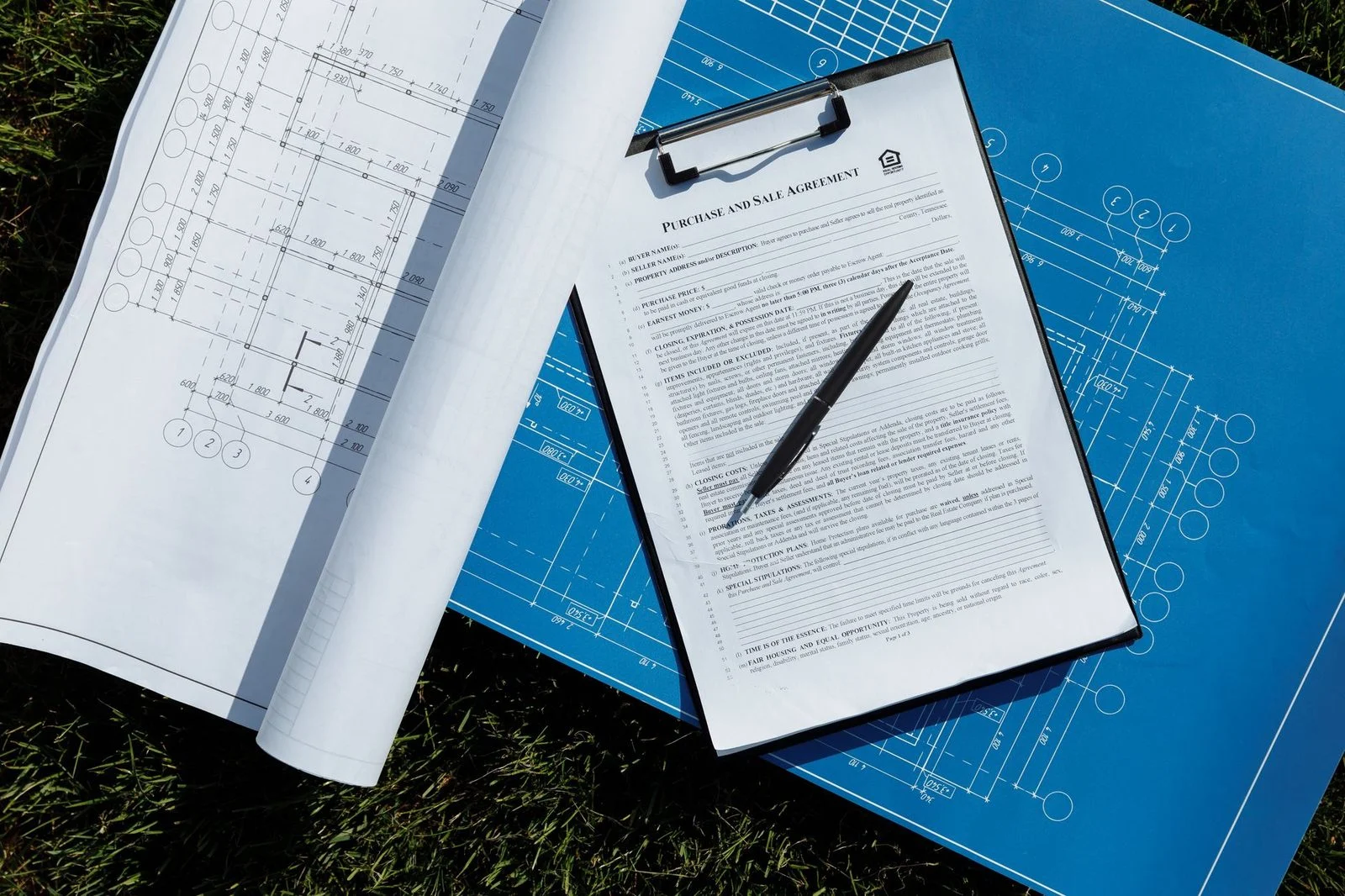
Reviewing a force majeure clause before a delay turns into a dispute
Reading the clause early gives you time to meet its notice steps before the schedule slips further.
A delayed job, a storm-damaged site or a supplier who can’t deliver is stressful. You may be reading this while payments are on hold. Pull the contract, mark the notice deadline, and write down the facts: dates, weather records, emails and the effect on the schedule.
Related topics on our site include our business contract and vendor dispute page, our Broward partnership dispute page, and our pages on whether an employee’s signature binds a company to a vendor contract in Florida and on liquidated damages clauses in Florida business contracts.
Quick answers
Does a force majeure clause excuse construction delays?
It can, but only for events the clause covers and only when its conditions are met. The wording decides.
Do I have to give written notice under a force majeure clause?
Check the contract. Many clauses require prompt written notice within a stated period.
Can a contract shorten the time to file a lawsuit in Florida?
A contract cannot do that.
This page is the responsibility of Kristina E. Wilson at KEW Legal, located in Coral Gables, Florida. If a stalled job leaves you unsure whether the clause covers what happened, send KEW Legal a message or call 305-990-2300 to talk through your next step. The first consultation is free, confidential and carries no obligation to continue.
How KEW Legal works with construction clients
Outside general counsel
We act as ongoing outside counsel for business owners and investors, so contract questions on a construction project get reviewed by the same team that knows your business.
Contract-focused review
We read the force majeure clause alongside the delay, notice, payment and termination provisions that determine how it operates in practice.
Offices in Coral Gables and Sunny Isles Beach
We serve clients across Miami-Dade, Broward and South Florida from our offices in Coral Gables and Sunny Isles Beach.
Confidential first consultation
Your initial consultation is free, confidential and carries no obligation to continue.
Check the notice requirements early
Many force majeure clauses set out how and when a party must notify the other side of a delay. Gather the signed contract, change orders, project schedules and correspondence now so they can be reviewed together.
Questions to bring to your first consultation
What events does the clause name?
Compare the listed events with what actually happened on the site, including weather, supply shortages, permitting holds and government action.
What notice did the contract require?
Pull together every notice, email and meeting record that shows when the delay was raised and how it was communicated.
How is delay documented?
Identify the schedule updates, daily logs and supplier records that connect the event to the delay in the work.
What happens to cost and time?
Review whether the clause affects schedule extensions, payment, damages and termination rights under the rest of the agreement.
Talk with KEW Legal about your construction contract before the next milestone
Related practice areas
- Business Contract And Vendor Dispute Attorney
- Broward Partnership Dispute Attorney
- Is a Liquidated Damages Clause Enforceable in a Florida Business Contract?
Request a Consultation
Fill out the short form and we will take it from there.