

Business Contracts | Coral Gables & Sunny Isles Beach
Is a Letter of Intent Binding in Florida? Know Before You Sign
Many deals start with a short letter that sets out the basics. Here is how to tell which parts carry weight and where a careful review can help.
By Kristina E. Wilson · Published November 11, 2026
You received a letter of intent from a vendor, or you signed one, and now the vendor is acting as if the deal is closed. Is that letter binding on you?
In most cases, a letter of intent is not binding on the deal itself. Some of its terms can still bind you, though, if the letter says they do.
Short answer: is a letter of intent binding in Florida?
A letter of intent sets out the main points of a possible deal, such as price, scope, timing, and next steps. It usually says a final agreement will follow. Until then, the parties have not agreed to the final obligations.
The binding exceptions are the terms the letter names as binding. Common examples are confidentiality, exclusivity, cost sharing, and governing law. Those terms can be enforced even when the rest of the deal is not.
Florida law looks at what the parties actually agreed. Florida’s Uniform Electronic Transaction Act defines an agreement as the bargain in fact, found in the parties’ language or inferred from other circumstances (Fla. Stat. § 668.50). So the title on the page matters less than the words and conduct behind it.
Whether a specific letter binds you is a general contract question. Florida’s electronic transaction law, Fla. Stat. § 668.50(5)(b), applies only to transactions between parties that have each agreed to conduct transactions electronically.
If a vendor says your letter of intent is already a contract, we can review that letter and your messages with you before you respond. Talk it through with our team — the first consultation is free, confidential, and carries no obligation.
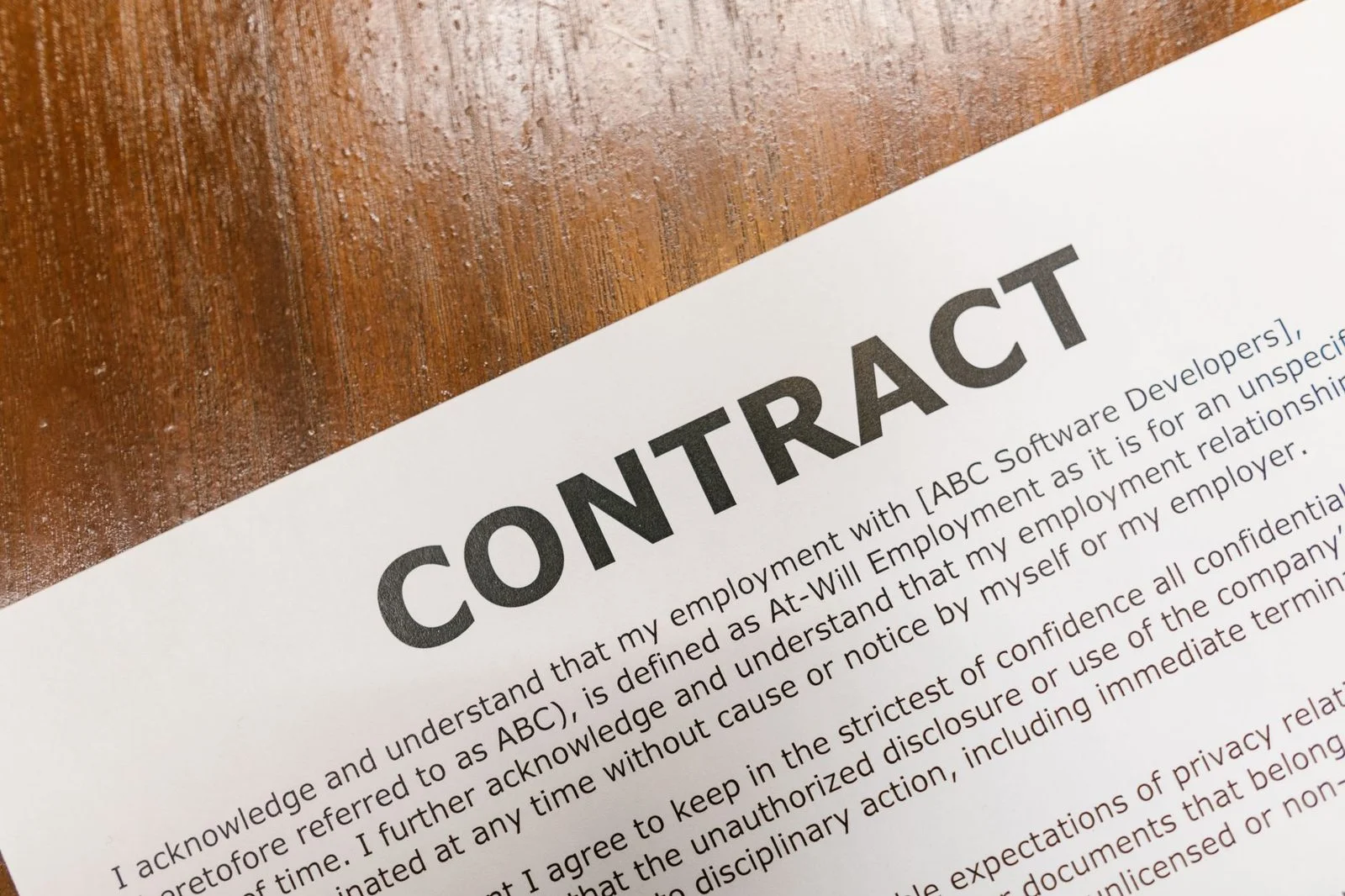
How Florida courts read a letter of intent
Courts start with the document and ask whether the parties meant to be bound before a final agreement was signed. Phrases such as “subject to a definitive agreement,” “non-binding,” or “for discussion purposes only” point toward no binding deal.
Other wording can cut the other way. Language saying the parties “agree to” a final price, scope, and closing steps can read as a present commitment. A court reads that language alongside the rest of the letter.
Signatures matter too. Florida gives an electronic signature the same force and effect as a written signature, unless another law provides otherwise (Fla. Stat. § 668.004). An emailed signature block can carry weight.
Between merchants, Fla. Stat. § 672.201(2) provides that if a record confirming the contract, and sufficient against the sender, is received within a reasonable time, and the party receiving it has reason to know its contents, the record satisfies the requirements of subsection (1) against the receiving party unless notice in a record of objection to its contents is given within 10 days after it is received (statute text). Under that subsection, the confirmation satisfies the signed-record requirement against you unless you give notice in a record of objection to its contents within 10 days after you receive it (Fla. Stat. § 672.201). Read every confirmation the day it arrives.
Terms a letter of intent often makes binding
Confidentiality terms are one kind of provision that parties may include in a written contract. A letter may require both sides to keep shared financial records private, even if the deal never closes.
Exclusivity, sometimes called a no-shop clause, bars one side from negotiating with other buyers or vendors for a set period. Check how long it lasts. A restriction with no end date invites a dispute.
Cost terms often appear too. A letter may say each side pays its own due diligence costs, or that one side covers specific fees.
The governing law clause says which state’s law applies. Florida’s commercial code lets parties choose the governing law when a transaction bears a reasonable relation to Florida and another state or nation (Fla. Stat. § 671.105).
Fee terms can raise the stakes. If a contract entered into on or after October 1, 1988 allows attorney’s fees to a party that must enforce it, a court may award reasonable fees to the other side when it prevails (Fla. Stat. § 57.105).
Confirm that each binding term is clearly labeled as binding.
How a vendor might argue the letter created a contract
A vendor usually argues that the letter, plus what both sides did next, shows the deal was settled. The argument often rests on conduct, open terms, and messages.
Conduct is a major route. Florida’s sale-of-goods rules say a contract may be made in any manner sufficient to show agreement, including conduct by both parties that recognizes the contract (Fla. Stat. § 672.204). That chapter applies mainly to deals for goods (Fla. Stat. § 672.102). Orders placed, shipments accepted, and invoices paid can all be cited.
Open terms do not automatically defeat a claim. A contract for sale does not fail just because some terms are left open, if the parties intended a contract and a reasonably certain basis exists for a remedy (Fla. Stat. § 672.204).
Vendors also point to reliance, meaning money spent or other work turned down because of the letter. Whether that supports a claim turns on what was promised and when.
Emails and texts calling the deal “done” or “set” can serve as evidence of intent, even if the letter says non-binding.
What to check before relying on a letter of intent
Before you rely on a letter, check the binding language, the essential terms, and your own communications.
- Read the disclaimer section. Confirm which provisions the letter says are binding and which are not.
- Confirm the essential terms. Price, scope, timing, and performance standards should be final or clearly left for a definitive agreement.
- Confirm who signed for each side. A vendor may rely on a person who acted for the company, so check that the signer had authority to commit it.
- Keep a log of communications. Avoid statements or payments that suggest the deal is final before a signed contract exists.
- Read the termination path. Look for notice requirements and any cure period before a deal can end.
- Check the force majeure language. Storms and government orders can disrupt performance in Miami-Dade and Broward, so confirm whether the letter addresses them.
Related issues that affect a vendor dispute
Force majeure, notice and cure, and time limits can shape how a vendor dispute plays out.
A force majeure clause can excuse delay or non-performance during storms, emergencies, or government orders. It helps only when its language fits the event that actually happened.
A notice and cure clause controls whether one side may end a deal and what steps must come first. Skipping a required notice can weaken a termination.
Florida’s limitations statute, § 95.11, sets time limits for filing suit, and those limits vary by claim type. A stalled deal can turn into a deadline problem, so review the timing early.
For the broader framework of vendor and partner disagreements, see our business contract and vendor dispute overview.
Not sure what your next step is?
Talk it through with our team — the first consultation is free, confidential, and carries no obligation.
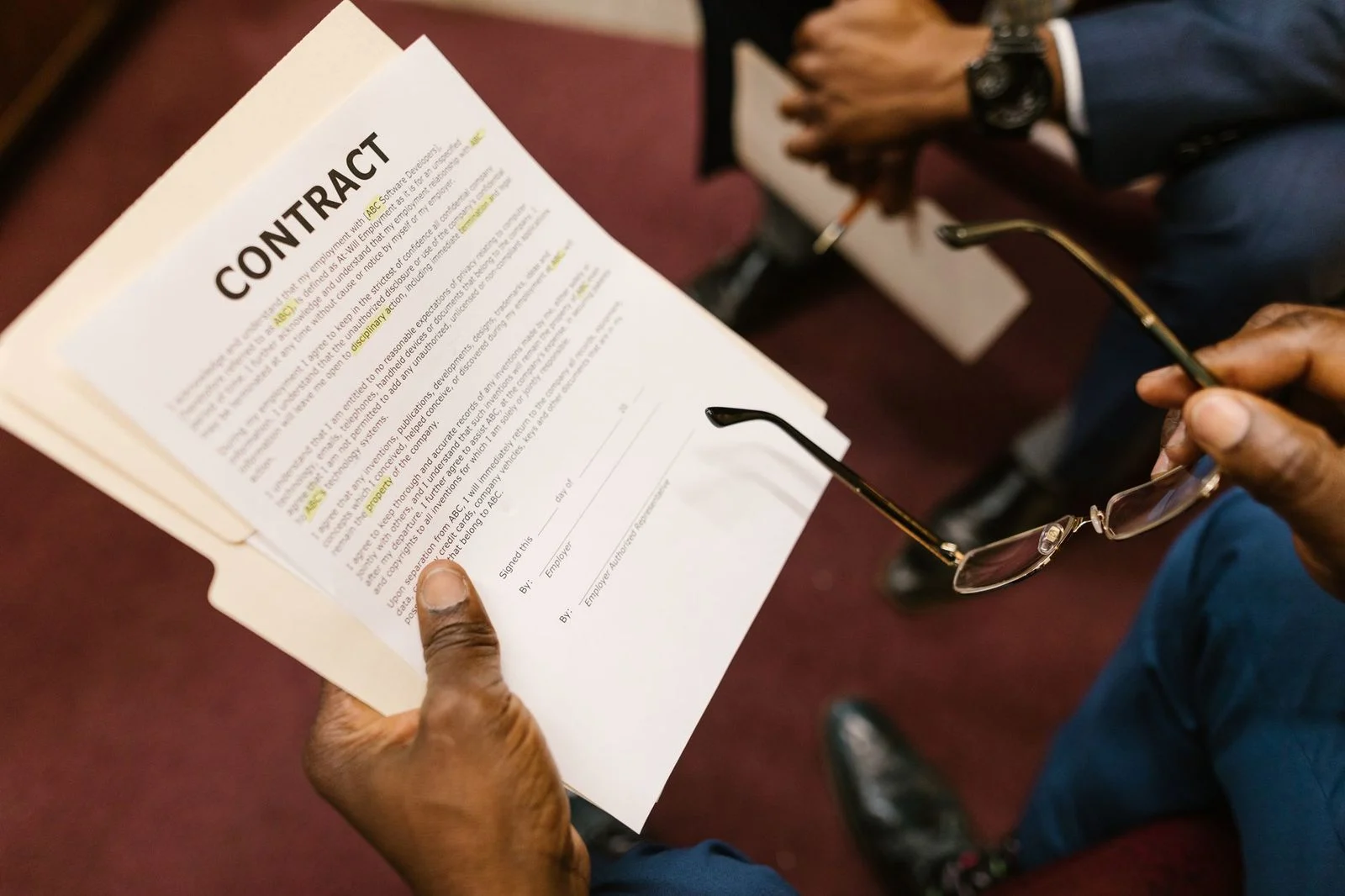
Talk through your letter of intent with KEW Legal
KEW Legal can review a letter of intent and the messages around it with you before you decide what to say next. Kristina E. Wilson is the responsible attorney for this page. KEW Legal has offices in Coral Gables and Sunny Isles Beach.
Is a letter of intent always non-binding?
No. Terms the letter labels as binding, such as confidentiality or exclusivity, can be enforced even when the final deal is not.
Does a letter of intent need a signature?
Under section 668.004, Florida Statutes, unless otherwise provided by law, an electronic signature may be used to sign a writing and has the same force and effect as a written signature. Florida’s Uniform Electronic Transaction Act, section 668.50, applies only to transactions between parties that have each agreed to conduct transactions by electronic means. For goods priced at $500 or more, a contract is not enforceable by way of action or defense unless there is a record sufficient to indicate that a contract for sale was made, signed by the party against whom enforcement is sought or by that party’s authorized agent or broker, with some exceptions (Fla. Stat. § 672.201).
How long does a vendor have to sue?
Florida’s limitations statute, § 95.11, sets time limits for filing suit, and those limits vary by claim type.
If a vendor has handed you a letter of intent, a deal has stalled, or a vendor says a contract already exists and wants payment, the binding terms and your emails matter now. Our initial consultation is free, confidential, and carries no obligation to continue. Call 305-990-2300 or send us a message through the contact form.
How KEW Legal Supports Business Owners and Investors
Deal Document Review
We read letters of intent alongside the rest of the transaction so you understand which terms are meant to bind and which are not.
Protecting Your Position
We help you identify provisions such as confidentiality, exclusivity and expense sharing before they become a problem.
Outside General Counsel
Our team works with owners and investors across Miami-Dade and Broward County on contracts, acquisitions, sales and leases.
Clear Communication
We explain the options in plain language so you can make informed decisions about your business.
Do not assume a letter of intent is harmless
Review the document before anyone signs it or acts on it.
Key Questions About Letters of Intent
Which Terms Matter Most
Confidentiality, exclusivity, deposits and cost allocation are common provisions that deserve close attention.
Signing Electronically
Letters of intent are often signed electronically, so it helps to know how the signatures were applied and recorded.
Stages of a Deal
A letter of intent usually comes before a purchase agreement, lease or partnership document. Each stage can change the picture.
Before You Walk Away
If negotiations stall or the other side changes course, review what the letter says before taking the next step.
Have a letter of intent to review? Speak with KEW Legal
Related practice areas
- Does a Hurricane Excuse a Late or Missed Vendor Delivery in Florida? Force Majeure Explained
- Does a Notice and Cure Clause Have to Be Followed Before I End a Vendor Contract in Florida?
Request a Consultation
Fill out the short form and we will take it from there.