
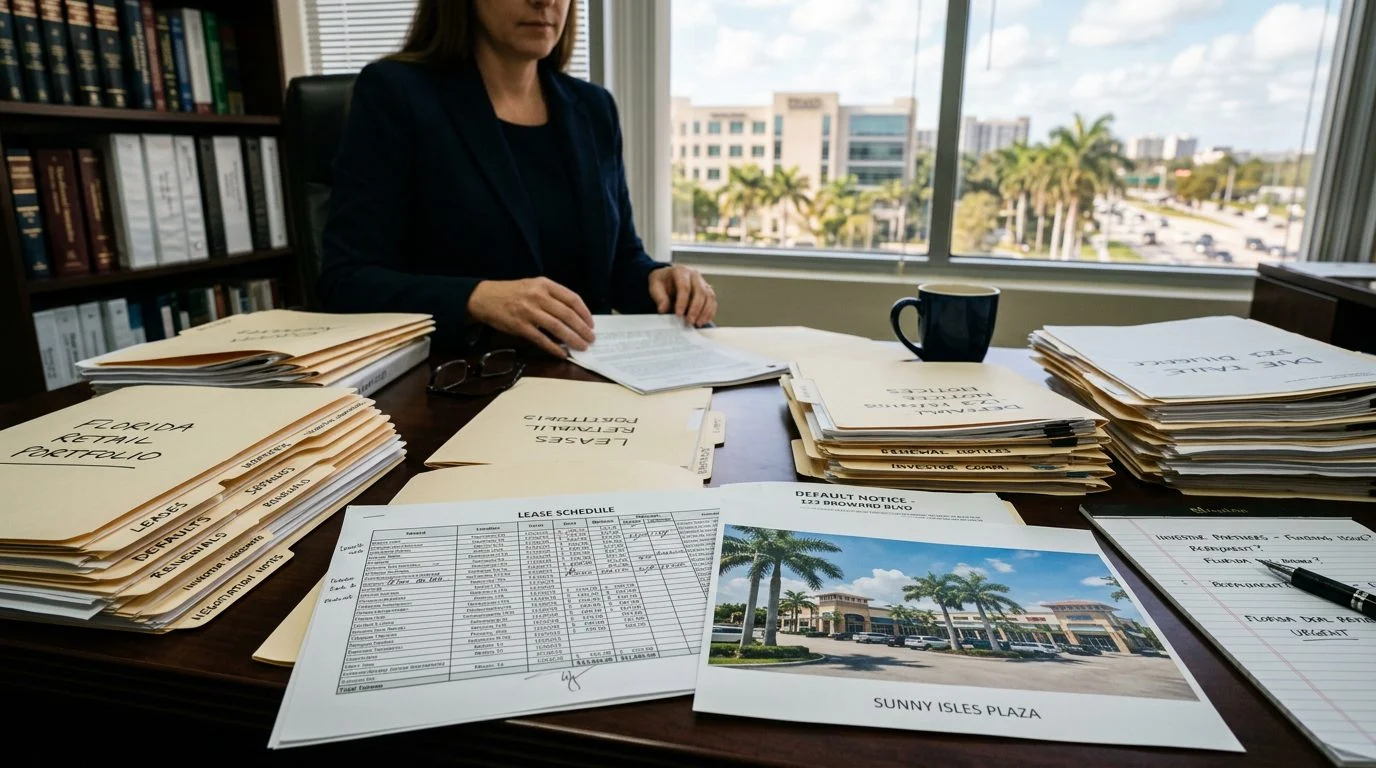
Partnership Disputes | Coral Gables and Miami-Dade
Investor Partners Want Money Back? Start With the Deal Documents.
KEW Legal advises property owners, investors and business partners across South Florida on disputes over capital, distributions and exits.
By Kristina E. Wilson · Published November 16, 2026
An investor in one of your LLCs wants their money back, and they want it now. The request may arrive while a deal is still open. Under Florida’s LLC law, a member has no right to a payout before the company dissolves unless the company decides to make one. Leaving the company does not entitle a member to one (Fla. Stat. § 605.0404).
That is why the answer usually starts with your LLC’s own paperwork, not with what was said at the start. This page covers which documents to read, which records to pull, which claims come up, how to reply in writing and how a dispute moves forward.
What It Means When Your Investors Ask for Their Money Back
A demand for money back usually means one of three things, and the difference changes your response.
- Return of capital: the investor wants the amount they put in repaid.
- Request for a distribution: the investor wants a share of cash the company has not paid out.
- Notice of exit: the investor says they are withdrawing as a member.
Each one runs through a different part of your documents. Timing matters too. A demand during an open closing can affect your schedule, your other investors and your lender relationships. Measured, early replies protect your position better than fast, emotional ones.
Not sure what your next step is?
Talk it through with our team — the first consultation is free, confidential, and carries no obligation.
Start With the Governing Documents of the LLC
The operating agreement is the first document to read, because it governs relations among members and the company’s affairs. Under Florida law, the operating agreement governs relations among the members as members and between the members and the limited liability company, except as otherwise provided in the statute (Fla. Stat. § 605.0105). Focus on:
- Capital contribution terms and how each investor’s funding is recorded
- Withdrawal, redemption or buyout rights, including any notice or cure step
- Distribution terms, preferred return language and manager authority
- Dissolution triggers and any deadlock or buy-sell provision
- Subscription agreements and side letters, which can give one investor different rights
- Promissory notes or loan terms, which can make an investment look like debt
Then confirm who is a member or manager of record in Sunbiz filing records, kept by the Florida Division of Corporations. Look for missing amendments, unsigned consents and meeting minutes. Gaps like these leave each side remembering the deal differently.
Check the Property, the Title and the Money Trail
Before anyone is paid, confirm which entity owns the property and whether the LLC can afford the payment.
- Title: which entity holds the recorded deed, and whether any investor appears on title or the loan.
- Loan terms: mortgages, personal guarantees and any lender consent or transfer limits.
- Bank records: every contribution, distribution and transfer between the LLC and personal or brokerage accounts.
- Capital accounts: the books compared with what each investor actually funded.
- Liens and costs: contractor liens, cost overruns and open invoices that reduce the equity left to return.
Florida law limits distributions. An LLC may not make one if it would be unable to pay its debts as they come due. It also may not make one if its assets would fall below its liabilities plus what superior preferential rights require (Fla. Stat. § 605.0405). A member who consents to an improper distribution can be personally liable for the excess, under conditions the statute sets. That action must be started within 2 years after the distribution (Fla. Stat. § 605.0406).
Claims That Often Apply When Investors Want Capital Back
The claims in these disputes usually turn on the operating agreement, the money trail and how the managers or members acted. Which ones fit your deal depends on the facts. Common examples include:
- Breach of the operating agreement, such as a withdrawal, redemption or distribution term.
- Breach of duty. Members of a member-managed LLC owe duties of loyalty and care. They must account for benefits drawn from company property (Fla. Stat. § 605.04091).
- Wrongful withdrawal. A withdrawal can be wrongful. A wrongfully withdrawing member is liable for damages the withdrawal causes (Fla. Stat. § 605.0601).
- Direct action. A member can sue another member, a manager or the company. The member must show an injury that is not solely the company’s, or a breach of a separate duty owed to that member (Fla. Stat. § 605.0801).
- Judicial dissolution. A court may dissolve an LLC that cannot reasonably carry on under its documents. Under this section, a circuit court may dissolve a limited liability company in listed circumstances, such as when its assets are being misappropriated or wasted, causing injury to the company or, in a proceeding by a member, to one or more of its members (Fla. Stat. § 605.0702).
Respond in Writing Without Admissions, and Preserve Evidence
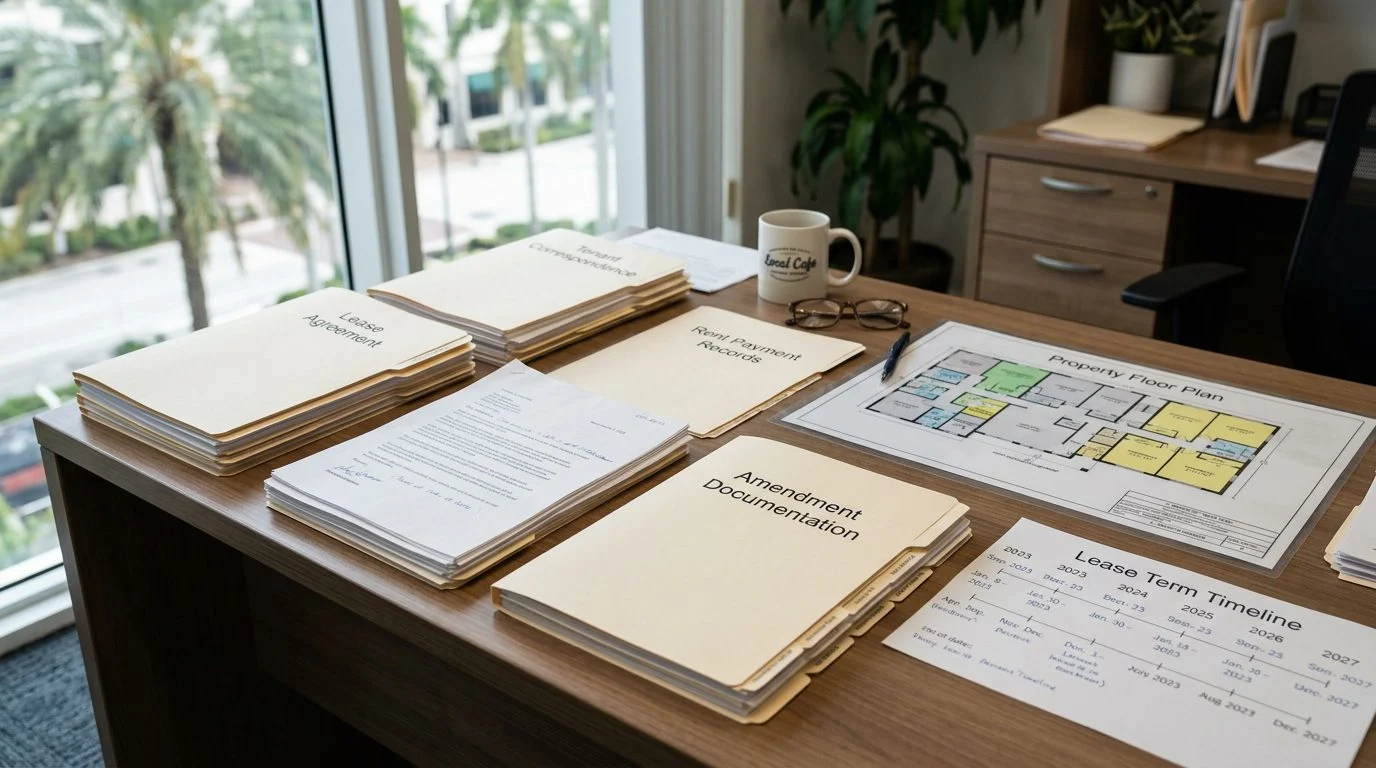
Reply with a short, neutral message. It should confirm receipt and not agree to repay anything yet. Keep these points in mind:
- Say you are reviewing the agreements, and give a neutral date for a fuller response.
- Do not concede that money is owed, promise a payment or describe the deal’s history before the documents are reviewed.
- Keep it factual. Leave out accusations, threats and comments about other investors or your brokerage license.
- Keep emails, texts, pitch decks, bank records, closing files and budgets. Do not delete or edit them.
- Hold off on new loans, property transfers and payouts to yourself while the demand is open. Those moves can create new claims.
- Tell your closing attorney and lender if a pending closing or payoff is affected.
If the operating agreement requires notice or a chance to cure before a member can withdraw or sue, read that wording closely.
How a Partner Dispute Proceeds, Step by Step
A dispute usually moves from document review to a written response, then to negotiation, and only then to court. Timelines vary with the claims and the court.
- Intake and confidential review. You share the demand, the operating agreement and the deal file.
- Written analysis. We map which provisions apply, what the money trail shows and what each side can reasonably argue.
- Response plan. This may be a written reply, a negotiated buyout or redemption, or a standstill while the deal closes.
- Negotiation or mediation. This step is used when the documents and records support it.
- Litigation. If talks fail, the matter moves to court.
Throughout, the plan is built around your closing dates and lender requirements. That way the dispute is handled alongside deals that can still close.
Not sure what your next step is?
Talk it through with our team — the first consultation is free, confidential, and carries no obligation.
How KEW Legal Handles This Work
KEW Legal acts as outside general counsel for business owners and investors across Miami-Dade and South Florida. That work includes partnership disputes, LLC-held investment property and commercial leases.
- Offices: Coral Gables and Sunny Isles Beach.
- Lawyers: Kristina E. Wilson is the responsible lawyer for this page. Natalie Martinez is also a lawyer at the firm.
- Ongoing review: the same team can review operating agreements, contracts and leases across your portfolio.
- Closings: our team coordinates with your closing attorney, where the documents allow, so deals that can close stay on track.
Frequently Asked Questions
Can my investor force me to repay them?
Not automatically. Under Florida’s LLC law, the operating agreement and the company’s decision to distribute usually decide the answer.
What if a partner leaves before the property sells?
Leaving does not by itself entitle them to a payout. A withdrawal can also be wrongful, which can bring damages.
Can I be personally liable for paying an investor?
Possibly.
What if my co-owner used company money without approval?
Florida law requires members to account for benefits drawn from company property.
Will this dispute stop my closings or affect my license?
A co-owner dispute is a civil matter. Keep communications measured, and let your closing attorney and lender know about any affected deal.
What does the free first consultation include?
The initial consultation is free, confidential, and carries no obligation to continue. La consulta inicial es gratuita, confidencial y sin compromiso de continuar.
If an investor’s demand has put an open deal in doubt, you don’t have to sort through the operating agreement and bank records alone. Call 305-990-2300 or send us a message, and we’ll talk through the demand in front of you.
How We Approach Investor Disputes
Review the Governing Documents
We start with the operating agreement, partnership agreement, purchase documents and any side letters to see what the parties actually agreed.
Protect Your Position
We help you weigh your options before you act, including how to respond to a demand, when to pause distributions and how to document the record.
Clear Communication
You get straightforward explanations of the issues, the likely paths forward and the costs involved, so you can decide with full information.
Local Florida Counsel
Based in Coral Gables and Sunny Isles Beach, we work with partners and investors throughout Miami-Dade and Broward County.
Act Carefully Before You Respond
Stopping payments, withdrawing funds or sending a formal demand can shape how a dispute unfolds. Talk with counsel about the agreement and the timing before you take those steps.
Questions Investors and Partners Often Ask
Can my investor force repayment?
The answer depends on the operating agreement, the company's distribution decisions and the facts of the deal. We review those documents with you.
What if a partner leaves before a sale?
A partner's exit can raise questions about buyout terms, valuation and notice. Each situation turns on its own agreement and records.
Is the property held in an LLC?
Ownership structure affects who has authority, what must be disclosed and how a dispute can be resolved. We confirm how title and entity records are set up.
Should I talk to counsel first?
Yes. Early review helps you avoid steps that could weaken your position, and it gives you a clear view of your options.
Speak With Kristina E. Wilson in Coral Gables. Your First Consultation Is Free, Confidential and Carries No Obligation to Continue.
Related practice areas
- Partnership Dispute Attorney
- Can You End a Florida Vendor Contract for Breach? Notice
Request a Consultation
Fill out the short form and we will take it from there.