
Real Estate Investment Attorney · Coral Gables and Sunny Isles Beach
Investor Wants Money Back? Understand Your Florida Options
Outside general counsel for business owners and investors across Miami-Dade and South Florida, with a clear view of your company's paperwork and your next steps.
By Kristina E. Wilson · Published November 11, 2026
When an investor wants money back from a real estate deal in Florida, your next moves matter. The property hasn’t sold or refinanced, and your other closings are still moving.
Wanting the money back is not the same as having the right to take it out now. The answer usually turns on three things: the signed documents, how the money was labeled and used, and the property’s title and lien status. Here is how each one works, and the options that usually come up.
When the Investor’s Demand Lands on Your Desk
In Florida, an investor’s request for cash does not by itself entitle them to a distribution. A payout before the company winds up happens only if the company decides to make an interim distribution. Fla. Stat. § 605.0404 sets that rule.
Urgency is real. Lenders, title companies and co-investors may be waiting on the same cash. An unplanned reply can cost you more than a measured one, and your first written response becomes part of the record.
Before you answer, pause new transfers. Pull the paperwork, build a timeline of every promise and payment, and decide what the LLC can actually do with its cash and property. The sections below cover the documents, the labels, the property, your license, and your options.
If an investor is asking for money back while your other closings wait, our team can review your documents with you. Talk it through with our team — the first consultation is free, confidential, and carries no obligation.
Start With the Paperwork That Actually Controls
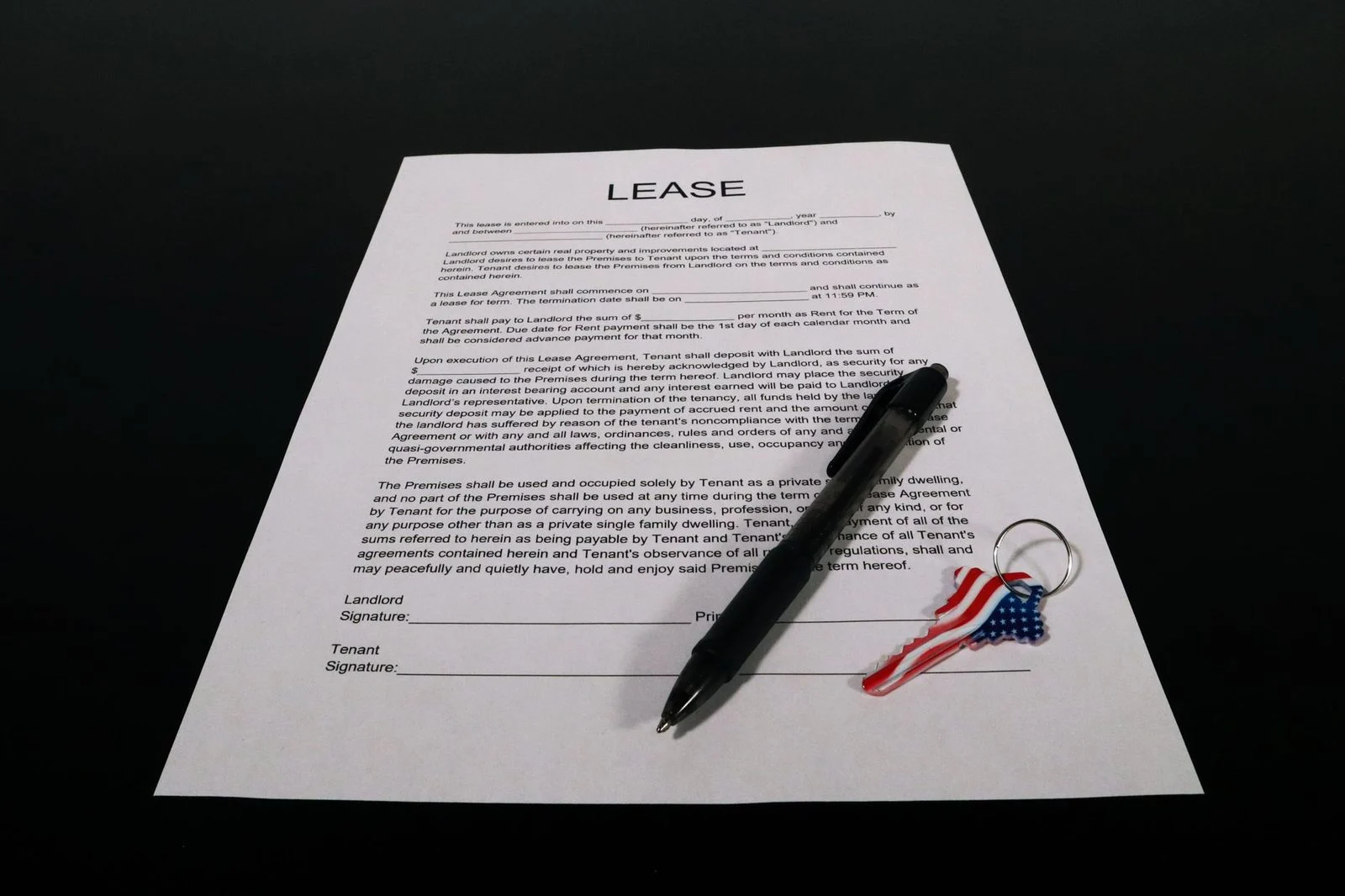
The operating agreement is usually the first document that decides the answer. Florida’s LLC statute says it governs relations among the members and between the members and the company. Fla. Stat. § 605.0105 Where the agreement is silent, the statute’s default rules fill the gap.
Pull these first:
- The operating agreement and any amendments
- The investor’s subscription or capital contribution agreement
- Any promissory note or side letter
- Closing statements and wire confirmations
- Texts, emails and notes of calls with the investor
Then ask which document the investor is relying on, and whether it matches the one the LLC signed.
A verbal deal can be hard to enforce. Florida’s Supreme Court has held that promissory estoppel cannot get around the Statute of Frauds, which requires certain agreements to be in a signed writing. DK Arena, Inc. v. EB Acquisitions I, LLC
If the investor is a member, they may have inspection rights. Fla. Stat. § 605.0410
Is the Money a Loan, an Equity Stake, or a Promise?
It depends on the facts, and the wording of each document gets read first. Labels matter, but they don’t settle the question alone.
Investor money usually takes one of three shapes:
- A loan: a repayment schedule with principal and interest owed on agreed terms.
- An equity stake: the return comes from a sale, a refinance, or distributions the company decides to make.
- A promised return: a fixed monthly payment or fixed yield, which can change the analysis and the LLC’s exposure.
A label like “note” or “preferred return” is only a starting point. Look at what happened in practice. Did the LLC pay the way a loan is paid? Did the investor sign consents, vote on decisions, or receive distributions like an owner?
Membership also turns on the terms. A person becomes a member after formation as the operating agreement provides, through a merger, interest exchange, conversion or domestication, with the consent of all the members, or as provided in s. 605.0701(3). Fla. Stat. § 605.0401
The Realistic Options When an Investor Wants Out
The realistic paths are a negotiated payoff, a written response, mediation, an orderly exit, or litigation. Each one turns on the documents and the cash the LLC actually has.
Negotiated payoff. A written schedule, a property sale or a refinance can fund the return. Get a written release when the money is paid.
Written response. State the LLC’s position, cite the operating agreement, and say when any distribution can be made.
Check the cash first. An LLC may not make a distribution if it cannot pay its debts as they come due. It also may not make one if its total assets would be less than its total liabilities plus certain senior claims. Fla. Stat. § 605.0405 Under this section, a limited liability company may not make a distribution, including a distribution under s. 605.0710, if after the distribution the company would not be able to pay its debts as they become due in the ordinary course of its activities and affairs, or its total assets would be less than the sum of its total liabilities plus the amount needed to satisfy the preferential rights upon dissolution and winding up of members and transferees whose preferential rights are superior to those of persons receiving the distribution.
Exit mechanics. Withdrawing before the company winds up can be wrongful. A wrongful withdrawal can create liability for damages under § 605.0601, not § 44.102; court-ordered mediation under § 44.102 is conducted according to rules adopted by the Supreme Court. Fla. Stat. § 605.0601
Litigation. If talks fail, a lawsuit is the last step. In Florida, a claim on an oral or unwritten contract, including a sale of goods, must be brought within four years (s. 95.11). Frutafino, S.A.S. v. Dole Chile, S.A.
When the Property Itself Complicates the Dispute
A repayment promise is only as solid as the property behind it. Liens, loan terms and title problems can block a sale or refinance.
Read the loan documents first. A mortgage can limit transfers and require lender consent before a sale or a change in ownership. Unpaid contractors and cost overruns can also attach to the property and shrink what is left for investors.
A lawsuit over the property can be recorded as a notice of lis pendens in the county where the property sits. While the case is pending, that notice can make a sale or refinance harder. The notice generally expires one year after the action starts, unless the pending pleading shows the relief is founded on a duly recorded instrument or on a lien claimed under part I of chapter 713 against the property involved, or the court extends it on reasonable notice and for good cause. Fla. Stat. § 48.23
Moving cash or property to pay one party can draw a fraudulent transfer claim. Florida law looks at transfers made to hinder, delay or defraud a creditor. It also looks at transfers made without reasonably equivalent value by a debtor who was engaged or about to engage in a business or transaction for which the remaining assets were unreasonably small in relation to that business or transaction, or who intended to incur, or reasonably should have believed it would incur, debts beyond its ability to pay as they became due. Fla. Stat. § 726.105
Confirm title and liens before you promise a payment date. Then the LLC doesn’t commit money it cannot deliver.
Why Handling Investor Money Matters Beyond the Civil Claim
An investor dispute can raise questions about your real estate license, not just your bank balance. A complaint to the state regulator is a separate track from any lawsuit between the parties.
Keep records clean from the start. Keep investor money separate from personal funds and other deals. Document every approved distribution in writing. Mixed funds make a timeline hard to follow.
Keep that in view from day one. The goal is to protect your license and your records while the dispute is worked through.
Not sure what your next step is?
Talk it through with our team — the first consultation is free, confidential, and carries no obligation.
Keeping Other Deals Closing While This Is Resolved
A dispute with one investor can slow other closings. Lenders, title companies and partners may ask about the same LLC and the same people.
Do three things:
- Keep communications in writing.
- Make no unilateral transfers of property, cash or ownership interests.
- Keep a dated timeline for each decision, with the reason and who approved it.
Plan the cost, too. Agree on the scope of work and the fee structure before work begins, so you know what to expect at each stage. When the money trail is complicated, a forensic accountant can trace funds and analyze financial data in partner disputes. Association of Certified Fraud Examiners
We cannot predict timing, outcomes, or whether the property will sell. We can help you keep each step organized.
What to Bring to Your Consultation
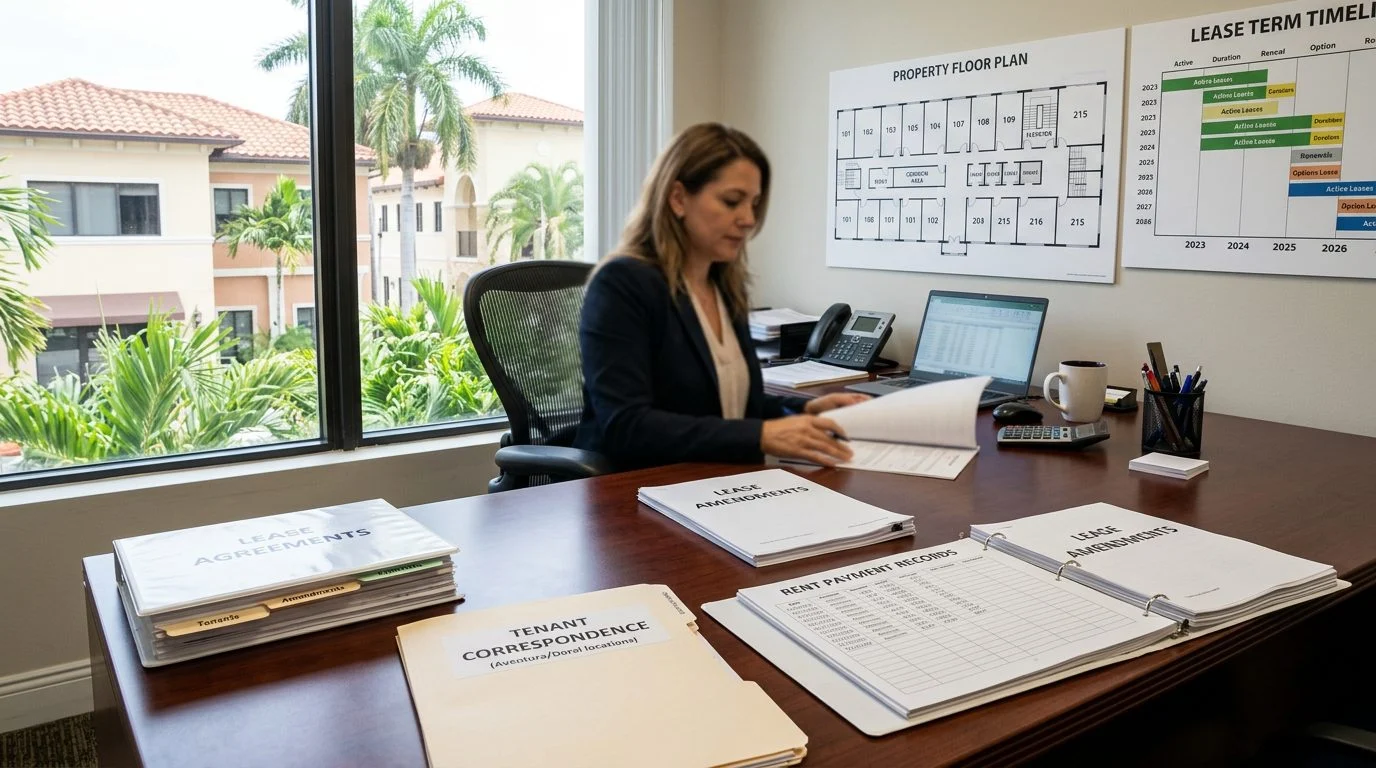
Bring every document that shows what was promised, what was paid, and where the property stands.
Gather:
- LLC formation and operating documents
- Investor agreements, side letters and promissory notes
- Wire records, bank statements and closing statements
- Title, lien and lender documents
- Key emails and texts with the investor
Be ready to answer what the investor was told, what was promised in writing, and what has been paid.
Kristina E. Wilson, one of our lawyers, is responsible for this page. KEW Legal has offices in Coral Gables and Sunny Isles Beach.
Can an investor demand money back before the property sells?
Not automatically. A distribution before winding up happens only if the company decides to make one.
How long does an investor have to challenge an improper distribution?
An action under § 605.0406 to hold a member or manager personally liable for a distribution made in violation of § 605.0405 is barred unless brought within 2 years after the distribution.
Can an investor file a lis pendens on my property?
An investor who sues over the property can record a notice of lis pendens in the county where it sits. It expires after one year from the start of the action unless the relief sought is disclosed by the pending pleading to be founded on a duly recorded instrument or on a lien claimed under part I of chapter 713 against the property involved, or a court extends it on reasonable notice and for good cause.
If an investor is asking for their money back while your other closings wait, bring your documents to a consultation. Call 305-990-2300 or send us a message. Our first consultation is free, confidential, and carries no obligation to continue.
How KEW Legal approaches an investor's demand for money back
We review the company records
We start with the operating agreement, the distribution history and the written decisions that show what the company has agreed to.
We protect your position
We examine how distributions, capital calls and manager decisions affect each owner's rights and exposure.
We weigh the practical options
Negotiation, a buyout, a formal demand or litigation each carry different costs and tradeoffs, and we explain them plainly.
We begin with a conversation
Call 305-990-2300 or send us a message to set up your free, confidential first consultation, with no obligation to continue.
Do not ignore a written demand
Responding to a demand letter or a notice from a co-owner without advice can affect your options. Bring every agreement, notice and email to your first conversation with us.
Investor and business disputes we handle
Partnership and LLC disputes
Disagreements among owners over distributions, management decisions, buyouts and the terms of the operating agreement.
Commercial leases and evictions
Lease questions and commercial eviction matters for owners of investment property, including owners who live outside the United States.
Contract and vendor disputes
Disputes with contractors, vendors and service providers over payment, performance and the terms of the agreement.
Business sale and succession
Buying, selling or passing on a business, with attention to the agreements that govern ownership and transfer.
Talk with KEW Legal about your investment and your options
Related practice areas
Request a Consultation
Fill out the short form and we will take it from there.