

Vendor Disputes | Coral Gables and Sunny Isles Beach
Settle Your Vendor Dispute With a Clear, Signed Agreement
Serving Miami-Dade and Broward counties.
By Kristina E. Wilson · Published October 25, 2026
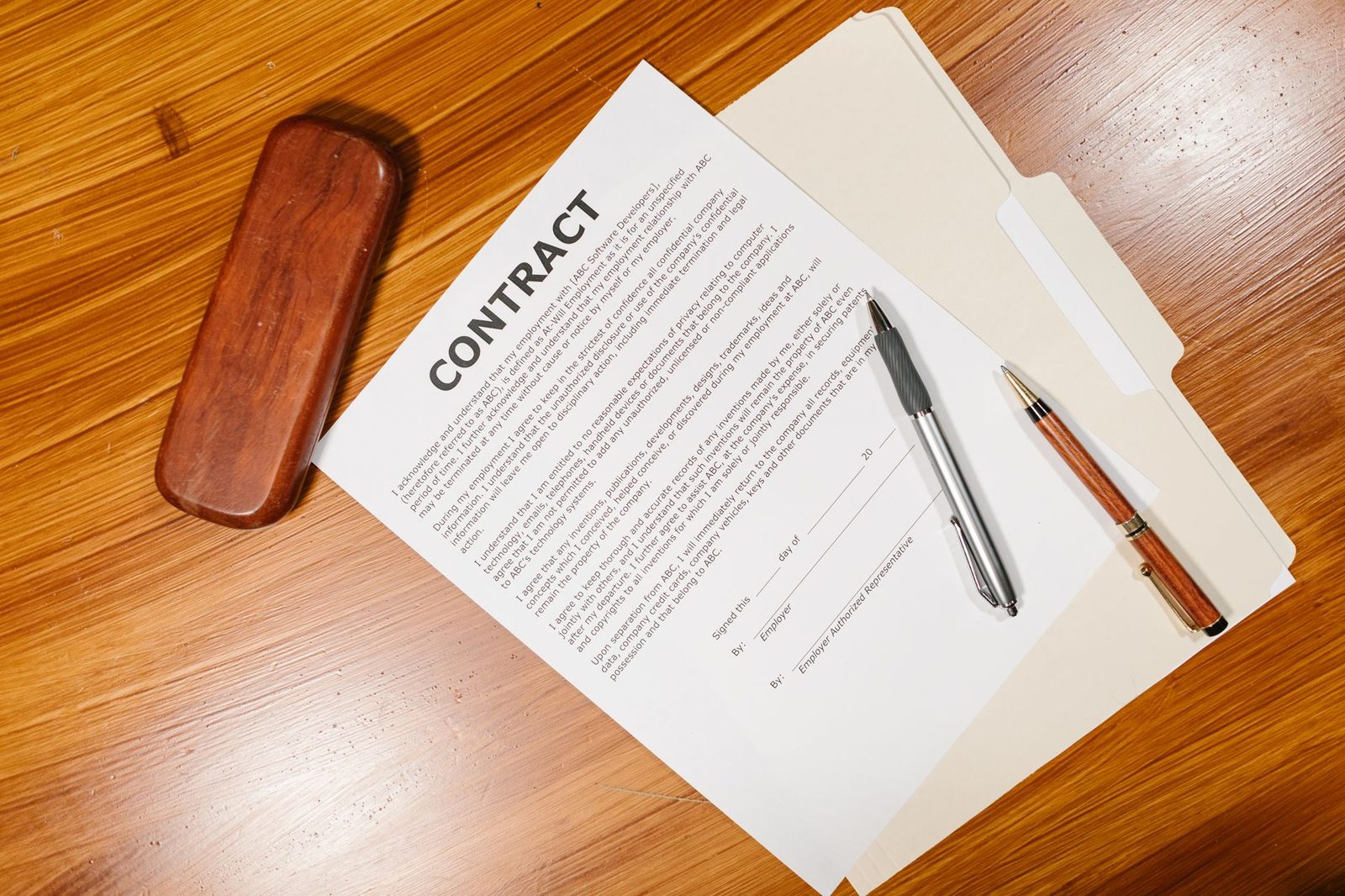
A vendor settlement agreement is a signed contract that ends a dispute between your business and a supplier, contractor, or service provider. Its wording decides what each side can do later, so a loose draft can bring the same fight back. If you need a vendor dispute settlement agreement attorney in Florida, start by understanding what the document must do.
What a Vendor Settlement Agreement Is and Who Needs One
A vendor settlement agreement resolves a disagreement over payment, performance, or delivery. Common examples include an unpaid invoice, defective work, a missed shipment, or a disputed balance.
Parties sign these agreements at different points. Some follow a demand letter. Some follow a mediation. Others are signed while a lawsuit is pending and paired with a dismissal.
Owners, managers, and investors often need one. They usually act for a company, so the person signing should have authority to bind it. Once signed, the terms work as a contract.
If a vendor's unpaid invoices or missed deliveries have your business stuck, you don't have to work out the settlement terms alone; our team can talk it through with you. Talk it through with our team — the first consultation is free, confidential, and carries no obligation.

Key Terms a Florida Settlement Agreement Should Address
A strong agreement covers money, timing, scope, and what happens if a party breaks the deal. Each term below does real work.
- Amount and payment schedule. List the total, each due date, the payment method, and what happens to any unpaid balance.
- Release scope. Name the invoices, contracts, dates, and transactions being released. List what is excluded, too.
- Mutual or one-way release. Decide whether the vendor also releases its claims, counterclaims, and any lien rights.
- Dismissal steps. If a case is open, state who files the dismissal and when.
- Default, notice, and cure. Define what counts as a default, how notice is sent, and how much time a party has to fix the problem.
- Confidentiality. A signed agreement reached in mediation is not confidential by default under Fla. Stat. § 44.405. Fla. Stat. § 44.405 reads: “(4)(a) Notwithstanding subsections (1) and (2), there is no confidentiality or privilege attached to a signed written agreement reached during a mediation, unless the parties agree otherwise, or for any mediation communication: 1.” Write confidentiality into the agreement itself.
- No admission of liability. State that neither side admits fault.
- Governing law, venue, and fees. Name the governing law and the court. Address who pays fees if a later fight starts.
Why Vague Settlements Reopen Disputes
Vague wording is a common reason a settlement fails. A release that says “all claims” without naming them invites a second round. Both sides may remember the deal differently.
Payment plans without a default and cure step leave the paying side without a clear path. If one payment is missed, nobody knows whether to wait, sue, or hold off.
Under Fla. Stat. § 672.201, which governs contracts for the sale of goods, a contract for the sale of goods for the price of $500 or more is not enforceable by way of action or defense, except as otherwise provided in the section, unless there is a record sufficient to indicate that a contract for sale has been made and signed by the party against whom enforcement is sought or by that party’s authorized agent or broker. Subsection (3) makes a contract enforceable without such a signed record in specified cases, including specially manufactured goods, a party’s admission in court that a contract was made, and goods that have been paid for and accepted.
Notice matters too. After a buyer accepts goods, it must tell the seller about a breach within a reasonable time after it discovers or should have discovered the breach, or it can be barred from any remedy (Fla. Stat. § 672.607). Raise defects early, not after months of silence.
Timing matters as well. A settlement should say which claims stay alive and which are closed. A contract provision that sets a shorter time to sue on claims arising out of the contract than the applicable statute of limitations allows is void (Fla. Stat. § 95.03).
How the Drafting Process Typically Works
Most drafts move through five steps, from first review to signature and, when needed, dismissal.
- Initial consultation. The business shares the contract, invoices, correspondence, and any court papers.
- Document review. The team summarizes the claims, the defenses, and the business goal the deal must serve.
- Term outline or draft. The proposal sets the payment structure, release scope, and default provisions.
- Negotiation. Revisions go to the other side or its lawyer, and each change is explained before signing.
- Execution and follow-through. Authorized signers sign, payments are tracked, and a stipulated dismissal is filed if a case is open.
Under Fla. Stat. § 45.061, a written offer is not filed with the court. It stays open for 45 days unless withdrawn sooner. Fla. Stat. § 45.061 reads: “The offer shall remain open for 45 days unless withdrawn sooner by a writing served on the offeree prior to acceptance by the offeree.” Settlement offers on a claim which was disputed as to validity or amount, and related conduct or statements made in negotiating that compromise, are not admissible to prove liability under Fla. Stat. § 90.408.
Timing varies with the dispute’s complexity, the number of parties, and whether the other side has a lawyer. A realistic timeline is set after the first review.
How KEW Legal Approaches Vendor Settlements
KEW Legal is a Florida business law firm with offices in Coral Gables and Sunny Isles Beach. The firm acts as outside general counsel for business owners and investors across Miami-Dade and South Florida.
Vendor disputes are handled alongside ongoing contract, employment, lease, and ownership questions. That helps a settlement fit the contracts a business already has, including notice and dispute-resolution clauses.
Kristina E. Wilson is the responsible lawyer for this page. Natalie Martinez is also one of the firm’s lawyers. Our team, including the firm’s assistants and office staff, supports the drafting and negotiation work.
The firm’s practice focus includes business contract and vendor dispute work, settlement and release agreements, and related commercial disputes. If a matter falls outside that scope, it may be referred to another lawyer or firm, and that would be explained at the start.
Common Questions Before You Sign
Does settling mean admitting fault?
Settling does not have to mean admitting fault. A no-admission clause is a term that parties sometimes include in a settlement agreement to record that neither side concedes fault.
Can we accept a handshake deal?
Spoken or email-only terms are harder to prove and to enforce. Signed, written terms make the close-out clear for both sides.
What if the vendor stops paying?
A default and cure clause sets the notice and the window to fix the problem. Check the fee clause too. Under Fla. Stat. § 57.105, if a contract lets one party recover fees for enforcing it, the court may allow fees to the other party when that party prevails.
Can we back out if we learn new facts later?
A Florida appeals court has explained that a party entitled to undo a voidable contract can lose that right by waiting after learning the facts behind it. This is ratification, and Flaherty v. Flaherty describes it as a general rule, not an automatic result.
Do we have to release everything?
No. The release scope is negotiable, so define it by name, date, and transaction rather than leaving it open-ended.
Not sure what your next step is?
Talk it through with our team — the first consultation is free, confidential, and carries no obligation.
Frequently Asked Questions
Is a vendor settlement agreement enforceable in Florida? A signed settlement is a contract. Clear, specific terms make it easier to enforce.
Can a settlement be made while a lawsuit is pending? Yes. The agreement can be paired with a stipulated dismissal filed with the court.
Do I need a lawyer to draft one? Attorney review helps check that the wording matches your existing contracts and the Florida rules that apply.
How long does drafting take? Timing depends on the number of parties, the complexity of the dispute, and whether the other side has counsel.
What does the first consultation cost? The firm offers a free first consultation. It is confidential, with no obligation to continue.
Do you serve Broward County and Miami-Dade? Yes. The firm serves business owners across Miami-Dade and South Florida, including Coral Gables, Sunny Isles Beach, Aventura, Doral, Brickell, and Broward County.
If a vendor has stopped paying or missed deliveries, and you’re weighing a written settlement, you don’t have to sort out the terms alone. Call 305-990-2300 or send us a message to start the conversation.
What a Vendor Settlement Agreement Should Cover
Clear payment terms
The amount, schedule, method of payment and what happens if a payment is missed are stated in plain language.
Scope of the release
The agreement identifies which claims are resolved, so both sides know what is closed and what is not.
No-admission language
A no-admission clause records that neither party concedes fault, which can make a compromise easier to reach.
Confidentiality and non-disparagement
Where both sides agree, these terms can protect business relationships and sensitive information.
Dispute resolution terms
The agreement can set out how any future disagreement about the settlement itself will be handled.
Avoid Settling on a Handshake
Spoken or email-only terms are harder to prove and to enforce. Before you sign anything, make sure the final terms appear in one written, signed agreement.
How KEW Legal Works With You
1. Review the dispute
We review your contract, invoices, correspondence and the vendor's position to understand what is being disputed.
2. Negotiate the terms
We work to present your business's position and negotiate payment, release and closing terms that fit your goals.
3. Draft and finalize
We prepare a written settlement agreement and confirm that every party understands the terms before signing.
4. Close out the matter
We help you confirm the agreed steps are completed and the file is closed in an orderly way.
Talk With Kristina E. Your First Consultation Is Free, Confidential and Without Obligation.
Related practice areas
- Business Contract And Vendor Dispute Attorney
- Employee Complaint Response Attorney Miami-Dade | KEW Legal
Request a Consultation
Fill out the short form and we will take it from there.