

Employment Law for Employers | Coral Gables and Sunny Isles Beach
Employee Misclassification Review for Florida Employers
Confidential legal review of how your workers are classified, from KEW Legal's Coral Gables and Sunny Isles Beach offices. Kristina E. Wilson and our team help Miami-Dade and South Florida business owners understand their exposure and plan next steps.
By Kristina E. Wilson · Published October 25, 2026
An employee misclassification review checks two things. It asks whether each worker is correctly labeled an employee or an independent contractor. It also asks whether each employee labeled exempt or non-exempt is paid as the law requires. KEW Legal offers this review as outside general counsel for businesses in Miami-Dade and South Florida, before a complaint, audit, or sale raises the question.
What an Employee Misclassification and Pay Practices Review Is
A review is a legal look at how your business labels and pays its workers. It is a lawyer-led assessment, not a software scan or a sales tool. It tests your paperwork against the work people actually do.
It suits owners and operators who use contractors, classify salaried staff as exempt, or want to check pay before a dispute or sale. Kristina E. Wilson is the responsible lawyer for this page. Our lawyers work from the firm’s offices in Coral Gables and Sunny Isles Beach. The review can stand alone or sit inside broader outside general counsel support.
If you pay a worker as a contractor, or as a salaried exempt employee, and aren't sure that label fits, our team can talk through the facts with you. Talk it through with our team — the first consultation is free, confidential, and carries no obligation.
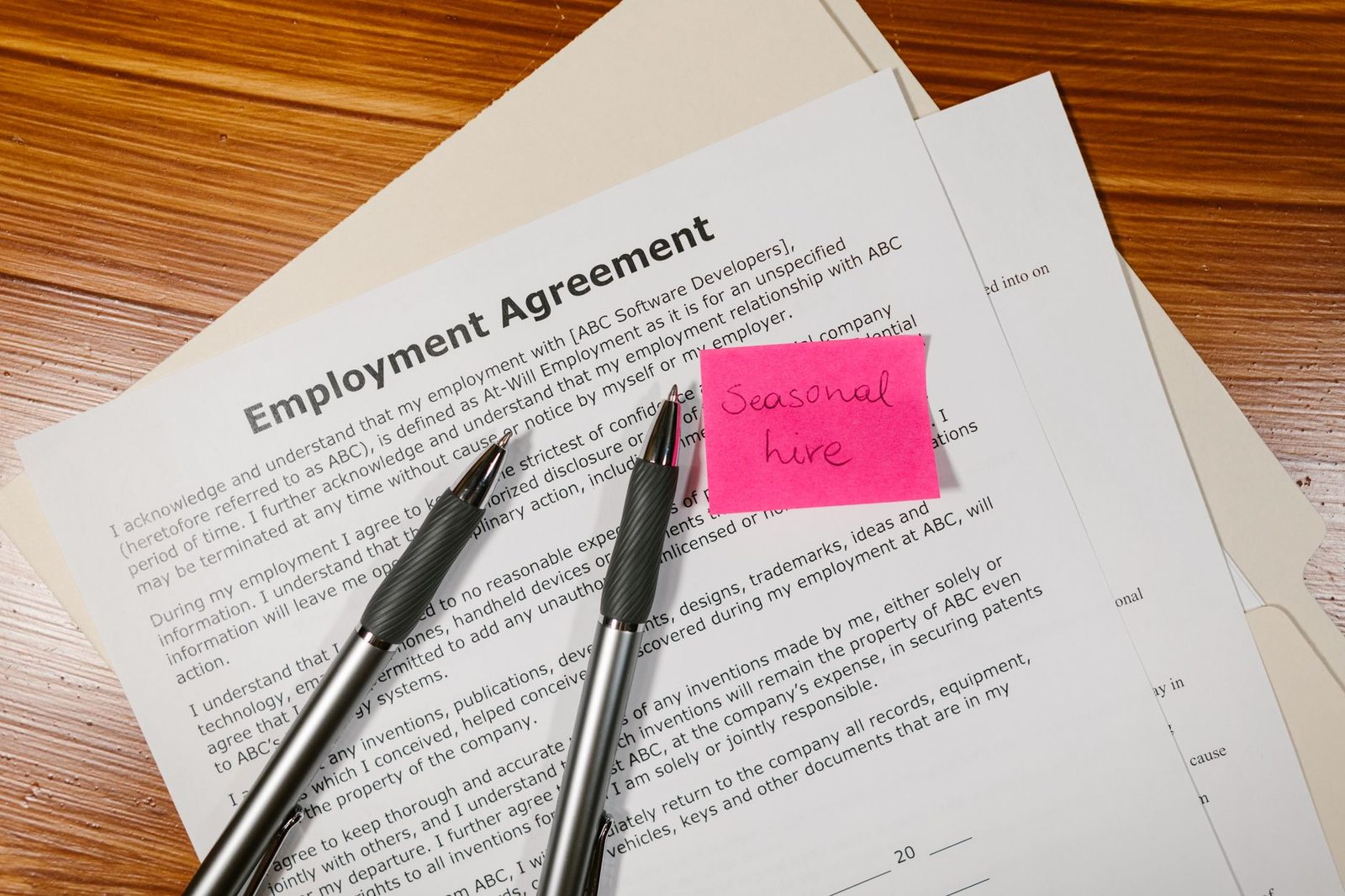
What Worker Misclassification Means
Worker misclassification happens when a business labels a worker as a contractor, or as exempt, to avoid wage and overtime duties. The label on the paperwork does not decide the question. The actual work does.
Florida adds its own layer. The Florida Constitution sets the state minimum wage and says federal FLSA case law guides how it is read. The Florida Minimum Wage Act, Fla. Stat. § 448.110, adds enforcement rules.
Warning signs include set hours, company tools or branded clothing, work only for you, open-ended engagements, and contractors who do your core work. Any one of these raises a question. Several together call for a closer look.
Independent Contractor Status: What the Review Examines
A true independent contractor works in a way that matches the label. The review compares your signed agreement with daily practice. A contract that does not match the work creates risk.
We look at how much you direct the work, whether the worker can earn or lose money on the job, and whether they bring their own tools. We also check whether the role is ongoing, how the worker is invoiced and paid, whether 1099 reporting is in place, and whether the worker serves other clients.
Contractors on fixed schedules, wearing your branding, or doing your core operations need a closer look. The review explains why and what to change.
Florida adds a workers’ compensation penalty. If an employer fails to secure compensation as required, the state can assess a penalty of up to $5,000 for each worker labeled a contractor who does not meet the statutory criteria (Fla. Stat. § 440.10).
Exempt Classification and Pay Practices: What the Review Covers
The pay review covers salary deductions, bonuses, overtime, timekeeping, off-the-clock work, meal and rest practices, and tip or commission handling. For manual labor paid by the day, week, month or year, Florida treats ten hours as a legal day’s work. Extra pay is owed beyond ten hours a day, unless a signed written contract says otherwise (Fla. Stat. § 448.01).
Past pay carries exposure. Section 448.110(8) points to the filing period specified in s. 95.11, Florida Statutes.
Written policies matter too. Florida courts generally hold that handbook statements are not contracts unless they say the manual is a separate employment contract (Quaker Oats Co. v. Jewell). Inconsistent manager instructions are a common source of exposure, so the review compares them to written policy.
How the Review Works: Steps and Timeline
The review runs in five steps, from a first conversation to written findings and correction options. Timing depends on the facts, including how many workers and job categories you have and how complete your records are.
- Free first consultation. The first consultation is free, confidential, and carries no obligation to continue. We learn how your workers are classified and what prompted the question.
- Document request. You provide contracts, payroll registers, job descriptions, timesheets, pay policies, and manager instructions.
- Classification analysis. Each worker group is tested against federal and Florida standards, based on how the work is actually done.
- Written findings. Issues are ranked by risk, with the reasoning explained in plain language.
- Correction options. These may include reclassification, pay adjustments, revised agreements, and updated policies. You choose the path.
What KEW Legal Brings to This Review
KEW Legal is a Florida business law firm that acts as outside general counsel for business owners and investors. The firm handles employment law for employers, business contract and vendor disputes, partnership disputes, business sales and succession, and commercial leases.
That range matters because classification problems often surface during a sale, a partner dispute, or succession planning. The firm works with business owners across Miami-Dade County and Broward County. Its offices are in Coral Gables and Sunny Isles Beach, and Kristina E. Wilson is the responsible lawyer for this page.
Not sure what your next step is?
Talk it through with our team — the first consultation is free, confidential, and carries no obligation.
Frequently Asked Questions
Is this review the same as a government audit?
No. This review is a legal assessment your business commissions, while a government audit is run by the agency.
Can we fix a misclassification on our own?
You can change future agreements and pay yourself. Past pay carries exposure that is easier to plan for with legal input before you make changes.
Do we need a review if no one has complained?
A review is preventive. It can matter before a sale, a financing, or a dispute, since the filing period is governed by s. 95.11, Florida Statutes, as § 448.110(8) provides.
Will a review prove we are compliant?
No review can promise a result. A review identifies risk and options, but it does not predict how an agency or court would rule.
What documents should we gather first?
Start with contracts, payroll registers, job descriptions, timesheets, pay policies, and any written instructions managers give staff.
Can another firm handle this?
If a matter falls outside what the firm handles, the firm will tell you at intake. It may refer the matter to another lawyer or firm.
How long does a worker have to sue for unpaid minimum wages?
Under Fla. Stat. § 448.110(8), the filing period is the one set by s. 95.11, Florida Statutes, so the deadline should be confirmed against that statute for a specific claim. Before suing under the Florida Minimum Wage Act, a worker must give the employer written notice of intent to sue (Fla. Stat. § 448.110).

Talk With Our Team About Your Workforce Structure
If you pay workers as contractors or salaried staff and aren’t sure the labels fit, start with the facts. You may rely on 1099 contractors, or have salaried staff who work long hours. You may want to know your exposure before a complaint or sale. Call 305-990-2300 or send us a message to schedule a consultation. Our team will go over the basic facts, explain which documents to gather, and outline the review steps.
What Our Review Covers
Agreements and Pay Structure
We review contracts, offer letters, independent contractor agreements, and how each worker is paid, scheduled, and supervised.
Legal Exposure Assessment
We outline the potential risks tied to current classifications so you can weigh your options with clear information.
Practical Correction Planning
We help you think through changes to future agreements and pay practices, and the order in which to make them.
Confidential, Direct Communication
Your review is handled privately by our attorneys, with clear explanations at every step.
Talk to a Lawyer Before You Change Anything
Changing a worker's classification or pay arrangement without legal input can create questions about past pay. Getting advice first helps you plan the timing and the changes.
How Your Review Works
1. Free First Consultation
Your initial consultation is free, confidential, and carries no obligation to continue.
2. Document Review
We examine your agreements, pay records, and working arrangements for each role in question.
3. Written Assessment
We explain the issues we see, the exposure involved, and the options available to your business.
4. Plan and Next Steps
If you choose to move forward, we help you prepare changes to your agreements and practices.
Protect Your Business Before a Problem Grows
Related practice areas
- Vendor and Supplier Agreement Review for Miami Businesses Before a Dispute Starts
- Outside General Counsel for Partner Information Rights and Financial Access in Florida LLCs
- Business Succession Planning Questions for Owners Before a Key Partner Leaves
Request a Consultation
Fill out the short form and we will take it from there.