

Commercial Lease Assignment · Coral Gables & Sunny Isles Beach
Commercial Lease Assignment Guidance for Florida Business Owners
KEW Legal focuses on commercial leases for business owners and investors across Miami-Dade and South Florida. We help you review assignment terms, landlord consent, and release questions before you transfer a lease.
By Kristina E. Wilson · Published October 28, 2026
A commercial lease assignment or sublease lets a business move its space to someone new, but only as far as the lease allows. An assignment hands the whole lease to a new tenant. A sublease keeps the original tenant on the lease and rents the space to a subtenant. KEW Legal is a Florida business law firm with offices in Coral Gables and Sunny Isles Beach. The firm helps business owners, buyers, and landlords across Miami-Dade and Broward County review these transfers before they sign. Contact KEW Legal to start.
What a Commercial Lease Assignment or Sublease Is
A commercial lease assignment moves the entire lease to a new tenant. A sublease keeps the original tenant on the lease and rents all or part of the space to someone else.
In an assignment, the new tenant, called the assignee, takes over the rent and the other duties in the lease. The original tenant leaves the space. Its own liability is a separate question, covered below.
In a sublease, the original tenant stays on the lease. It collects rent from the subtenant and still owes the landlord under the lease.
Florida’s rules for nonresidential tenancies sit in Part I of Chapter 83, as Fla. Stat. § 83.001 explains. The lease itself decides most transfer questions.
This service fits three groups:
- Tenants selling a business that runs from leased space.
- Owners downsizing, relocating, or changing how they use the space.
- Investors and landlords weighing a proposed transfer.
Not sure what your next step is?
Talk it through with our team — the first consultation is free, confidential, and carries no obligation.
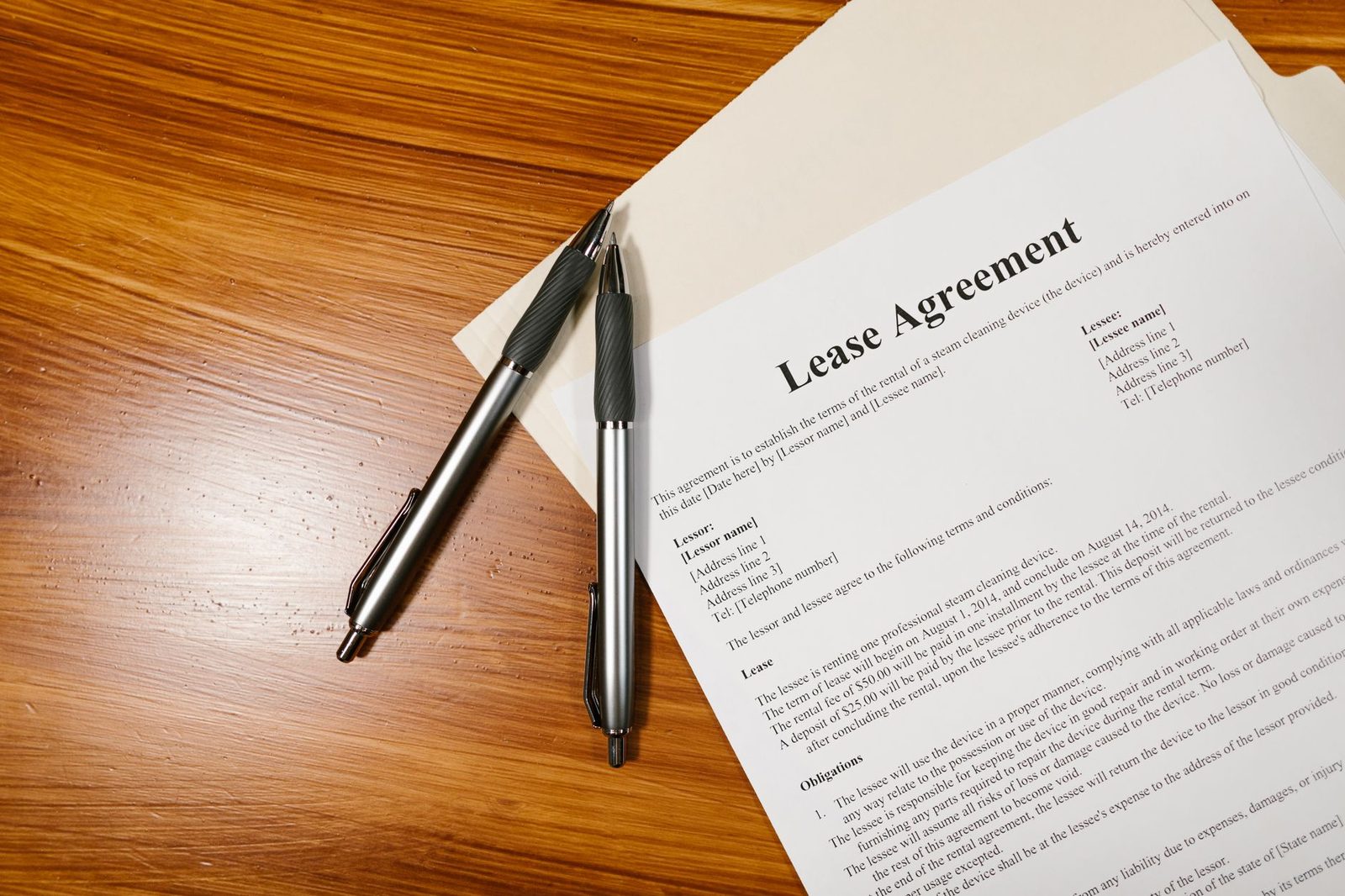
Lease Clauses That Control Whether a Transfer Is Allowed
Four clauses usually decide whether a transfer can happen and what it costs: consent, recapture, use, and personal liability. Read them before any offer is signed.
- Assignment and subletting clause. It says whether the landlord must consent, what standard the landlord must apply, and how fast it must respond.
- Recapture right. It lets the landlord end the lease and take the space back instead of approving the transfer.
- Permitted use clause. It limits what the space can be used for. A buyer whose business falls outside that use may need an amendment.
- Personal liability terms. They show whether the original tenant or owner stays responsible after the transfer. If you want out, ask for a written release.
- Rent, CAM charges, and transfer fees. CAM means common area maintenance, the shared cost of building upkeep. Some leases let the landlord claim a transfer fee or a share of the deal’s profit.
- Exclusive use and co-tenancy terms. These can restrict what the new occupant may offer or tie its operation to other tenants in the building.
- Notice terms. The lease may require a specific delivery method and address. A notice sent the wrong way can stall the deal.
How the Assignment or Sublease Process Works
A typical transfer moves through six steps. The lease’s deadlines set the pace, so start as soon as you identify a buyer or subtenant.
- Gather the documents. Collect the lease, every amendment, the landlord’s notices, and the proposed deal terms.
- Review the transfer clauses. Find the consent, recapture, and personal liability issues before you sign a letter of intent or purchase agreement.
- Prepare the consent request. Draft the written request and any notice the lease requires, and send it the way the lease says.
- Draft the paperwork. Prepare an assignment and assumption agreement or a sublease. Spell out who pays which costs, including back rent and CAM reconciliations. Check that the words match the deal. Also read any fee clause. Under Fla. Stat. § 57.105(7), if a contract contains a provision allowing attorney’s fees to a party required to take action to enforce the contract, a court may allow reasonable fees to the other party when that party prevails in an action on the contract.
- Negotiate the extras. Work out any release of the original tenant, an estoppel certificate (the landlord’s written confirmation of lease terms and rent status), or a lease amendment.
- Close and confirm. Get the landlord’s signed consent, close the transfer, and confirm in writing the new rent, insurance, and notice addresses.
What Tenants, Assignees, and Landlords Each Need to Know
Each side of a transfer faces different risks. Start the review with your position in the deal.
- Tenants. Closing a business sale before consent is in writing can lead to a dispute with the landlord. A landlord may also demand double the monthly rent from a tenant who refuses to give up possession at the end of the tenant’s lease (§ 83.06(1)).
- Incoming assignees and subtenants. You take on the lease’s terms, including back rent, CAM reconciliations, and unfinished repair duties. Ask for those numbers before you sign.
- Landlords. Review the proposed occupant’s finances, use, and insurance. Document your reasons for any refusal the lease permits. A landlord cannot simply retake commercial space. Possession comes through a court action, a surrender, or an abandonment (§ 83.05(2)).
- Sellers in debt. A transfer by a debtor can be fraudulent as to a creditor if made to hinder, delay, or defraud, or made without reasonably equivalent value in certain conditions (§ 726.105). Review the deal with that test in mind.
- Lenders and investors. A transfer can change the property’s income and the conditions for closing. Confirm those conditions before the deal closes.
Why Work With KEW Legal on Your Lease Transfer
KEW Legal reviews lease transfers alongside the business questions that come with the same space. The firm is a Florida business law firm with offices in Coral Gables and Sunny Isles Beach. It acts as outside general counsel for business owners and investors across Miami-Dade and South Florida.
A transfer often touches the business sale, vendor contracts tied to the space, and ownership changes. Reviewing those pieces together helps keep the documents consistent.
- The firm focuses on commercial leases, commercial evictions, and real estate investment matters.
- The firm reviews the actual lease language and deal documents, not a generic form.
- Kristina E. Wilson is the responsible lawyer for this page and is one of the firm’s lawyers. The firm’s lawyers include Natalie Martinez as well.
Common Questions About Lease Assignments and Subleases in Florida
The answer to most of these questions starts with the lease’s own words.
Can a landlord refuse an assignment?
Sometimes, and only as the lease allows. The lease’s consent standard controls the answer.
Am I still liable after I assign my lease?
The lease and any signed release decide that. Ask for a written release before the transfer closes.
What is a recapture clause?
It lets the landlord end the lease and take the space back instead of approving the transfer.
Do I need consent to sublet part of my space?
Check the subletting clause. Partial subletting is often handled differently from a full transfer.
How long does a transfer take?
The lease’s notice and response deadlines set the pace. Start early so those deadlines don’t catch you off guard.
How much does a review cost?
KEW Legal offers a free first consultation that is confidential and carries no obligation to continue.
Not sure what your next step is?
Talk it through with our team — the first consultation is free, confidential, and carries no obligation.
Talk to KEW Legal About Your Lease Transfer
If you are selling a business that runs from leased space, or you are waiting on a landlord’s answer to a sublease, have the consent, recapture, and personal liability terms reviewed before you sign. Call 305-990-2300 or send us a message to set up your first consultation. The firm has offices in Coral Gables and Sunny Isles Beach.
How We Approach Lease Assignments
Lease-First Review
We start with the lease itself, including its assignment, consent, and transfer language, so every decision is grounded in the actual document.
Protecting Your Exposure
We look at whether you may remain liable after the transfer and what written release, if any, should be requested before closing.
Outside General Counsel
Many business owners bring lease questions to us as part of ongoing legal support for their companies and investment properties.
Based in Coral Gables and Sunny Isles Beach
We serve business owners and investors throughout Miami-Dade and Broward Counties, including Doral, Brickell, Aventura, and Fort Lauderdale.
Review Before You Transfer
Signing an assignment or sending a transfer request before reviewing the lease's consent and recapture terms can create avoidable disputes. Contact us before you make any commitment to a buyer or assignee.
Common Assignment Questions
Landlord Consent
Whether a landlord must approve an assignment depends on what your lease says. We review the consent standard and the steps the lease requires.
Continuing Liability
We help you evaluate the lease and any release before the transfer closes.
Recapture Clauses
Some leases let the landlord take back the space instead of approving a transfer. We explain how these clauses work in your lease.
Assignment vs. Sublease
A sublease and an assignment can carry different obligations. We help you understand which structure fits your business and your lease.
Get Clear Answers Before Your Lease Transfers. Your First Consultation Is Free, Confidential, and Comes With No Obligation to Continue.
Related practice areas
Request a Consultation
Fill out the short form and we will take it from there.