

Employment Law for Employers | Coral Gables & Sunny Isles Beach
Responding to a Whistleblower Report? Get Measured Counsel Before You Act.
KEW Legal advises Florida employers, from Miami-Dade to Broward, on how to receive, investigate, and respond to internal reports of wrongdoing without creating retaliation exposure.
By Kristina E. Wilson · Published October 31, 2026
If an employee reported your company to a government agency in Florida, the first steps you take matter. Florida law protects employees from retaliation for certain reports, so your response needs care from the first day.
Who This Response Is For and What Florida Law Protects
This page is for employers and managers who just learned that an employee objected to a practice, reported it, or threatened to report it. The main law is the Florida Private Whistleblower Act, Fla. Stat. § 448.102. It bars a private employer from taking retaliatory personnel action against an employee who discloses, or threatens to disclose, a violation to an appropriate governmental agency under oath and in writing; who provides information to, or testifies before, an agency investigating the employer’s violation; or who objects to or refuses to take part in a practice that violates a law, rule, or regulation. Fla. Stat. § 448.102 reads: “However, this subsection does not apply unless the employee has, in writing, brought the activity, policy, or practice to the attention of a supervisor or the employer and has afforded the employer a reasonable opportunity to correct the activity, policy, or practice.”
The act covers employers that employ ten or more persons, as § 448.101 defines the term. Retaliation is not limited to firing. It also includes demotion, suspension, and any other adverse change in the terms and conditions of employment.
Whether a particular report is protected, and whether any action was retaliatory, depends on the facts.
If an employee's report has left your company unsure of its next move, we can review the facts with you, and you don't have to face it alone. Talk it through with our team — the first consultation is free, confidential, and carries no obligation.
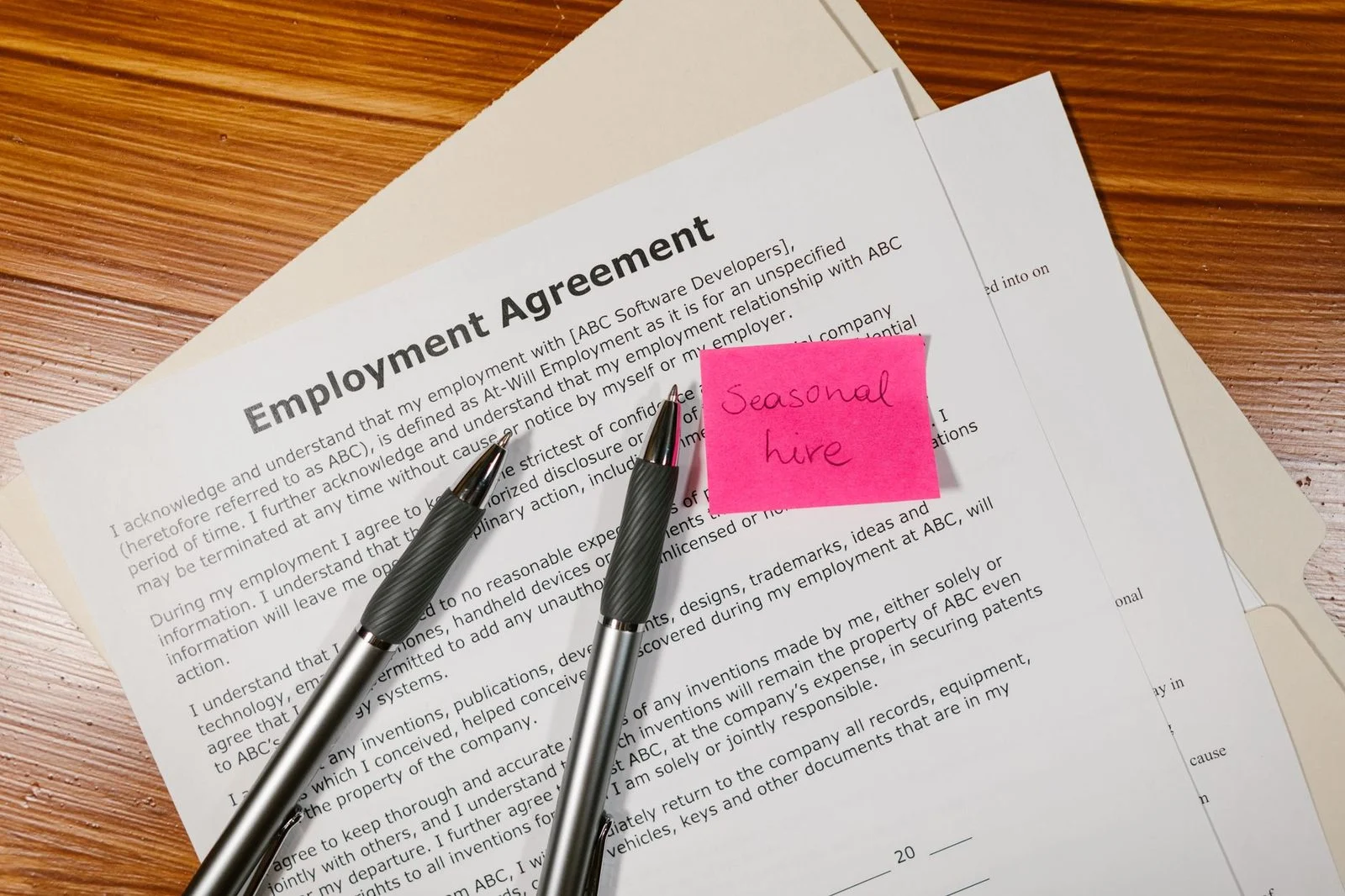
What Counts as an Employee Report the Law Protects
A report is protected when it falls into one of the act’s categories. Each category has its own rules, so the details matter.
- Objecting to or refusing to join a violation. The practice must actually break a law, rule, or regulation. As the Florida Supreme Court explained in Gessner v. Southern Co., to prevail in a retaliation claim under section 448.103 alleging a violation of section 448.102(3), an employee must establish that the employer’s activity, policy, or practice to which the employee objected is, by definition, in violation of law.
- Not needing a finished violation. The same case holds that the employee does not have to prove the employer already broke the law, or that an agency found a violation.
- An employee who provides information to, or testifies before, an agency or other entity conducting an investigation into an alleged violation of law by the company is protected under § 448.102.
The protection for disclosing an employer’s violation to a government agency does not apply unless the employee has, in writing, brought the activity, policy, or practice to the attention of a supervisor or the employer and has given the employer a reasonable opportunity to correct it (Fla. Stat. § 448.102). It is the moment the company’s chance to correct the issue begins.
The First Steps to Take in the First Days
The first days set the tone for everything that follows. Focus on four actions.
- Pause pending actions. Hold any discipline, termination, demotion, or schedule change affecting the reporting employee until counsel reviews the facts.
- Stay calm and keep distance. Do not confront the employee or question them about who else they spoke to.
- Limit internal discussion. Share the report only with people who need to know. Avoid group messages or public comments about it.
Bring in outside counsel early. A lawyer can direct the review and help structure what the company says and to whom.
Protect the Evidence and Secure the Facts
Preserving records is one of the most useful steps an employer can take. Start with the documents that relate to the report and to the employee.
- Emails, text messages, and chat logs about the report or the employee
- Personnel files, performance reviews, and disciplinary notes
- Timekeeping records, schedules, and pay records
- Policies, handbooks, and training materials that apply
Suspend any routine deletion that could destroy relevant records. Then build a written timeline. Record when the report was made, who received it, what was done, and what decisions followed. Route fact-gathering through counsel where possible, so the review stays organized and communications are protected.
How an Employer Response Unfolds: A Step-by-Step Process
A sound response usually moves through five steps. Each step builds on the one before it.
- Intake. A confidential call reviews the report, the employee’s role, and any agency contact the company has received.
- Fact review. Documents are collected, witnesses are identified, and the timeline is mapped against any planned employment decisions.
- Risk review. The team checks whether the report fits the statute and whether any past or planned action could be viewed as retaliatory.
- Response plan. The company decides on corrective steps, communication with the employee, and how to answer any agency inquiry.
- Follow-through. Each decision is documented, the employee’s treatment is monitored, and managers apply the same approach.
The length of each step depends on the records and people involved, so no fixed timeline applies. The employee also has limited time to sue. Under § 448.103, the employee may file within 2 years after discovering the action, or within 4 years after it was taken, whichever is earlier.
Respond Consistently to Protect the Company and the Workplace
Consistent, documented treatment helps the company show its reasons for every decision. Keep these habits in place.
- Apply existing policies the same way to the reporting employee as to comparable employees.
- Write down the reasons for any decision that affects that employee.
- Train managers not to comment on the report, the employee’s motives, or the employee’s future.
- Fix any real problem the report identified.
Florida is an at-will employment state. An at-will employee can be let go at any time, but not for a reason the law prohibits, such as retaliation, as the Fourth District explained in Laguerre v. Palm Beach Newspapers. Handbook statements also matter. Under Quaker Oats Co. v. Jewell, policy statements in a manual do not create enforceable contract rights unless the manual says it is a separate employment contract.
KEW Legal serves as outside general counsel for business owners and investors in Miami-Dade and South Florida. The firm handles employment matters for employers alongside contract disputes, partnership disputes, and commercial leases. Kristina E. Wilson, one of the firm’s lawyers, is responsible for this page. The firm has offices in Coral Gables and Sunny Isles Beach.
Not sure what your next step is?
Talk it through with our team — the first consultation is free, confidential, and carries no obligation.
Frequently Asked Questions
Can we fire an employee who reported us?
Florida is an at-will state, but a firing for a protected report can lead to the remedies in § 448.103. Talk with counsel before taking any action.
Liability is decided by what the facts show.
Can the employee recover attorney’s fees?
A court may award reasonable attorney’s fees, court costs, and expenses to the prevailing party, under § 448.104.
Does the act apply to a small company?
Section 448.104 allows a court to award reasonable attorney’s fees, court costs, and expenses to the prevailing party. Check the act’s coverage rules with counsel. Smaller employers should still review the rules with counsel.
Who handles these claims?
A private employee can bring a civil action in a court of competent jurisdiction. Government agencies may also receive reports and open inquiries.
Talk to KEW Legal About Your Situation
If an employee has reported your company, or an agency has reached out, you don’t have to make the next decision alone. We can review the report, the timeline, and any planned employment action with you. The first consultation is free, confidential, and carries no obligation to continue. Send us a message or call 305-990-2300 to get started.
How KEW Legal Supports Employers
Retaliation Risk Review
Before any discipline, schedule change, or termination involving an employee who reported a concern, we review the timing and reasons with you.
Documentation Guidance
We help you record the report, the investigation steps, and the business reasons behind each decision in a clear, consistent way.
Communications Support
We help you draft responses to the employee, managers, and any outside agency inquiry so that statements stay accurate and measured.
Outside General Counsel
Our team serves as ongoing counsel to business owners and managers, so you have one point of contact for employment questions as they arise.
Pause Before You Take Action
Acting quickly on an employee who has raised a concern can look like retaliation, even when the decision was unrelated. Speak with counsel before you discipline, reassign, or terminate the employee.
A Measured Approach to a Report
1. Preserve the Facts
Secure emails, messages, and records related to the report so the matter can be reviewed accurately.
2. Investigate Carefully
Plan a review that is fair, documented, and handled by people who are not involved in the concern.
3. Evaluate Employment Decisions
Check every decision affecting the reporting employee against a documented, legitimate business reason.
4. Respond in Writing
Communicate outcomes and next steps through reviewed, consistent language that protects the company and the employee.
Facing a whistleblower report?
Talk with KEW Legal before you respond. Your first consultation is free, confidential, and without obligation.
Related practice areas
Request a Consultation
Fill out the short form and we will take it from there.