

Employment Law for Employers | Coral Gables and Sunny Isles Beach
Can Employers Read Texts on a Company Phone in Florida?
The answer depends on how the device is issued, what your written policy says, and why the messages are being reviewed. KEW Legal helps Miami-Dade and Broward business owners set clear phone and messaging policies before a problem starts.
By Kristina E. Wilson · Published November 3, 2026
Can an employer read employee texts on a company phone in Florida? Often, yes, but the answer turns on who owns the phone and what the employer told workers in writing. This guide explains those facts for business owners, managers, and employees.
The Short Answer: Device Ownership and the Written Policy Drive the Result
The written policy is usually the central fact. It shows what employees were told about monitoring, access, and privacy. The answer depends on the facts, and the sections below cover the ones that matter most.
Think of the phone and the policy as a pair. The business owns the device, and the policy sets employee expectations. When both point the same way, a review is easier to defend. When the policy is missing, unsigned, or out of step with real practice, the employer has a harder case.
Florida is an employment-at-will state. Where a job has no fixed term, either side may end it at any time for any reason the law does not forbid, as the Florida Supreme Court restated in Gessner v. Southern Co..
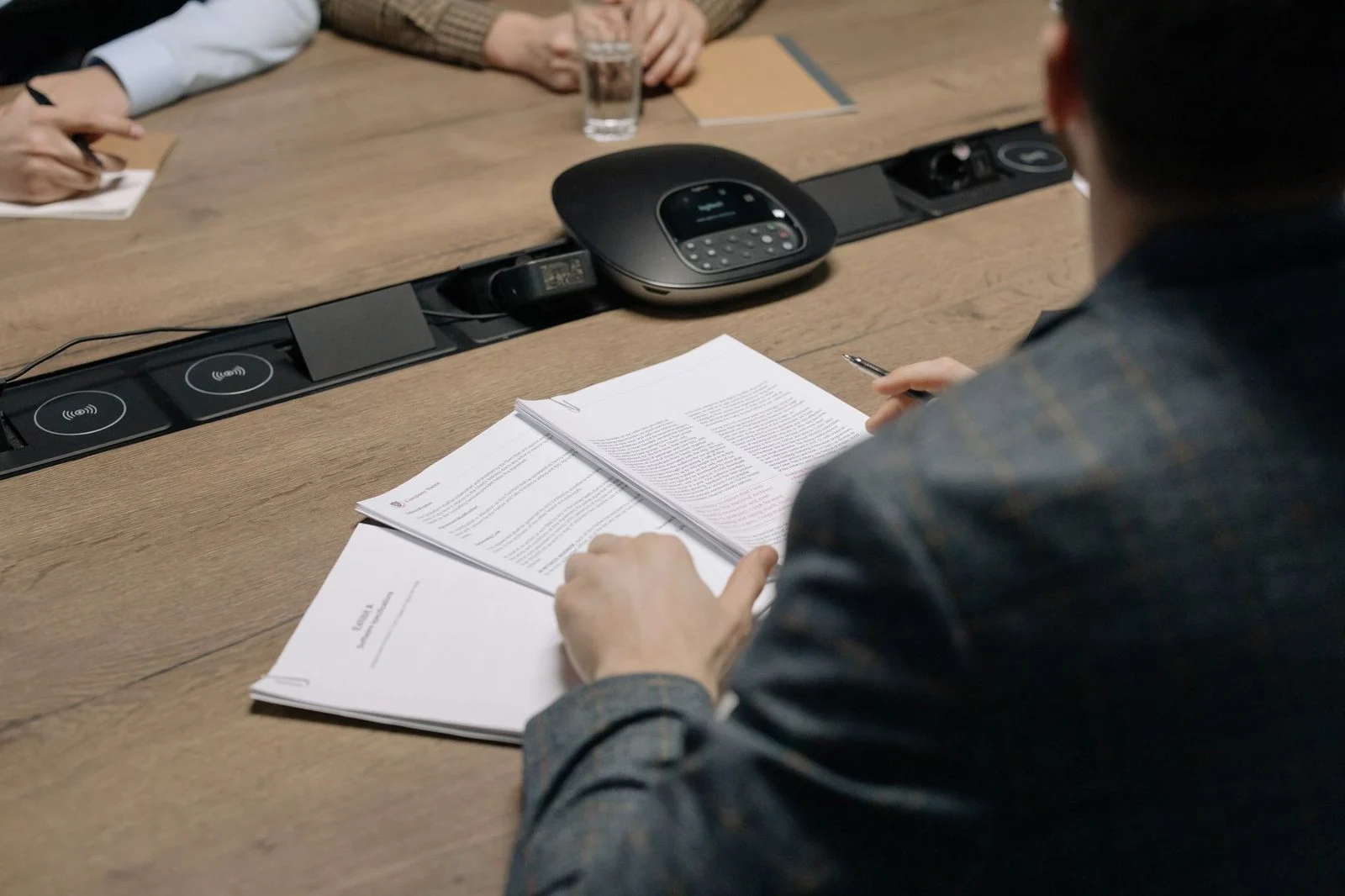
Company-Owned Phone Versus Personal Phone
A company-owned phone is one the business buys, owns, and issues to a worker. A personal phone used for some work tasks, under a bring-your-own-device arrangement, is different. Ownership matters because the employer that owns the hardware usually controls its settings, accounts, and storage. That gives it broader practical control than it has over a personal device.
Practical control is not the same as legal permission, though. Courts still look at what the employer did and how it did it.
Personal accounts add a wrinkle. An employee may log a personal email or messaging app into a company phone. Those messages were created in a personal account, so they can raise different privacy questions than messages the business created or manages. Ask whether personal use was allowed and what the policy said about it. Those answers often decide whether a review stays within bounds.
What a Written Monitoring Policy Should Address
A strong monitoring policy names the devices it covers, what the employer may review, the business reasons for review, and who may see the data. It should also say whether personal use is allowed and what privacy an employee may expect for personal messages on the device. Vague language leaves both sides guessing.
Get a signed or electronically accepted copy, and keep the date and version. If a dispute comes up later, the exact policy the employee accepted may matter most.
Check that the written rules match real practice. A policy that promises limited review while the company copies every message weakens the employer’s position. Florida courts generally do not treat handbook policy statements as enforceable contracts unless the document uses specific language saying it is one, as Quaker Oats Co. v. Jewell explains. A monitoring section should be drafted and acknowledged with that rule in mind.
Florida and Federal Privacy Laws That Still Apply
Owning the device does not end that analysis.
The method of access matters as much as the policy. Reading a message already stored on a device is different from capturing messages as they travel, or from using monitoring software installed on the phone. Each method can raise different legal questions, so employers should identify the method before they act.
Public employers face another layer. This guide focuses on private businesses, so a public-sector rule should not be borrowed for a private company. Business owners should confirm which rules fit their own setting before acting.
Limits That Protect Employees Even on Company Phones
A monitoring policy does not automatically let an employer act on everything it reads. Disciplining someone for that kind of talk can create legal exposure.
Florida’s whistle-blower statute also matters. An employer may not retaliate against an employee who objects to, or refuses to join, a practice that violates a law, rule, or regulation (Fla. Stat. § 448.102). The Florida Supreme Court has held that the practice must actually violate the law. As Gessner v. Southern Co. explains, to prevail in a retaliation claim under section 448.103 alleging a violation of section 448.102(3), an employee must establish that the employer’s activity, policy, or practice to which the employee objected is, by definition, in violation of law.
Privileged messages need care. That protection has exceptions, such as communications tied to a plan to commit a crime or fraud. Pause the review and get advice before going further.
Selective review is a risk. Florida law bars employers from treating workers differently because of race, sex, religion, age, and other protected traits (Fla. Stat. § 760.10). Reading texts for only some employees can lead to a discrimination claim.
Practical Steps for Employers Before Reviewing Employee Texts
Before opening any company phone, read the monitoring policy, the handbook, and the signed acknowledgment. Confirm the policy covers that device and that type of review. If it does not, pause and get advice.
Tie every review to a documented business reason, such as a data security incident, a regulator’s request, or a specific workplace complaint. General curiosity is a weak reason. Record what was reviewed, by whom, and when.
If the reason is a suspected leak, Florida defines a trade secret as information that derives independent economic value from not being generally known and not being readily ascertainable by proper means, and that is the subject of efforts that are reasonable under the circumstances to maintain its secrecy (Fla. Stat. § 688.002). Acting quickly and in writing helps protect that status.
Apply the policy the same way across similar employees. Consistency lowers the chance that a review looks targeted. The U.S. Equal Employment Opportunity Commission publishes guidance on employer obligations under federal anti-discrimination law.
Not sure what your next step is?
Talk it through with our team — the first consultation is free, confidential, and carries no obligation.
What Employers Should Know About Reviewing Employee Texts
An employee who suspects a text was read should keep what they already have. That means the policy they received, a timeline of events, and any discipline or complaint. Do not delete or change messages on the phone, since that can hurt their position.
Time limits matter. Under Fla. Stat. § 448.103, a retaliation suit generally must be filed within 2 years after the employee discovers the action, or within 4 years after it was taken, whichever is earlier. If an employee plans to disclose a violation under oath and in writing to a government agency, that disclosure is protected only if the employee first brought the activity, policy, or practice to the attention of a supervisor or the employer in writing and gave the employer a reasonable opportunity to correct it. Other protected actions, such as providing information to or testifying before an investigating agency, or objecting to or refusing to take part in a violation, do not require this notice (Fla. Stat. § 448.102).
A written warning or termination that follows a text review can raise questions that should be assessed promptly. Early review keeps more options open.

Talk Through Your Situation With KEW Legal
Maybe you’re a business owner who wants to review a company phone after a suspected client data leak. Or maybe a supervisor has quoted a personal text an employee sent from a company phone, and your business needs guidance on how to respond. KEW Legal is a Florida business law firm with offices in Coral Gables and Sunny Isles Beach. The firm works with business owners, investors, and employers across Miami-Dade, Broward County, and South Florida.
Kristina E. Wilson is the lawyer responsible for this page. Our first consultation is free, confidential, and carries no obligation to continue.
Call 305-990-2300 or send us a message to start the conversation. For related guidance, see the firm’s Florida employer and employee legal problems guide.
Can an employer read employee texts on a company phone in Florida?
The method of access and the stated reason still matter.
Can my employer read my personal texts on a company phone?
Check what the written policy says about personal use.
What Should Employers Know About Retaliation Claims in Florida?
Generally, 2 years after you discover the action or 4 years after it was taken, whichever is earlier. Acting early keeps your options open.
How KEW Legal Helps Employers With Device and Messaging Policies
Written Policy Review
We review or draft device and acceptable-use policies so employees know what the company may access on a work phone.
Privacy and Personal Use
We help you address mixed personal and business use of company devices in a way that reduces confusion and disputes.
Employee Issues as They Arise
When a monitoring question turns into a complaint, a termination, or a retaliation concern, we advise on next steps for the business.
Outside General Counsel
KEW Legal works as outside general counsel for business owners across Miami-Dade and South Florida, so employment questions get addressed alongside contracts, leases, and partnerships.
Key Warning for Employers
Reviewing an employee's texts without a clear, previously communicated policy can create legal exposure for the business. Before you open messages on a company phone, speak with counsel about the policy and the reason for the review.
Questions to Review Before Accessing Employee Messages
Who Owns the Device?
Company-owned phones and personal phones used for work are often treated differently. Confirm ownership before deciding what you can review.
What Does the Policy Say?
A written policy that describes monitoring, personal use, and expectations for privacy gives both the business and its employees a clear reference point.
Why Is the Review Happening?
The business reason for accessing messages, such as a security or compliance concern, matters. Document the reason and keep access limited to what it requires.
Is the Process Consistent?
Applying review practices unevenly across employees can raise fairness and discrimination concerns. Consistent procedures reduce that risk.
Get Clear Guidance for Your Business
Related practice areas
Request a Consultation
Fill out the short form and we will take it from there.