

Employment Law for Employers | Coral Gables and Sunny Isles Beach
Planning Ahead for Your Payroll
By Kristina E.
Florida Minimum Wage 2025 for Employers
Under Fla. Const. art. X, § 24, Florida’s minimum wage increases by $1.00 per hour each September 30th until it reaches $15.00 per hour on September 30th, 2026. Effective September 30th, 2021, the existing state Minimum Wage shall increase to $10.00 per hour under Fla. Const. art. X, § 24. This Florida minimum wage 2025 employer guide covers the current rate, the schedule to $15.00, tipped pay, overtime, and what underpayment can cost a business.
The rate comes from the Florida Constitution, Article X, Section 24. Owners and payroll managers across Miami-Dade, Broward, and the rest of Florida should plan around that date.
Not sure what your next step is?
Talk it through with our team — the first consultation is free, confidential, and carries no obligation.
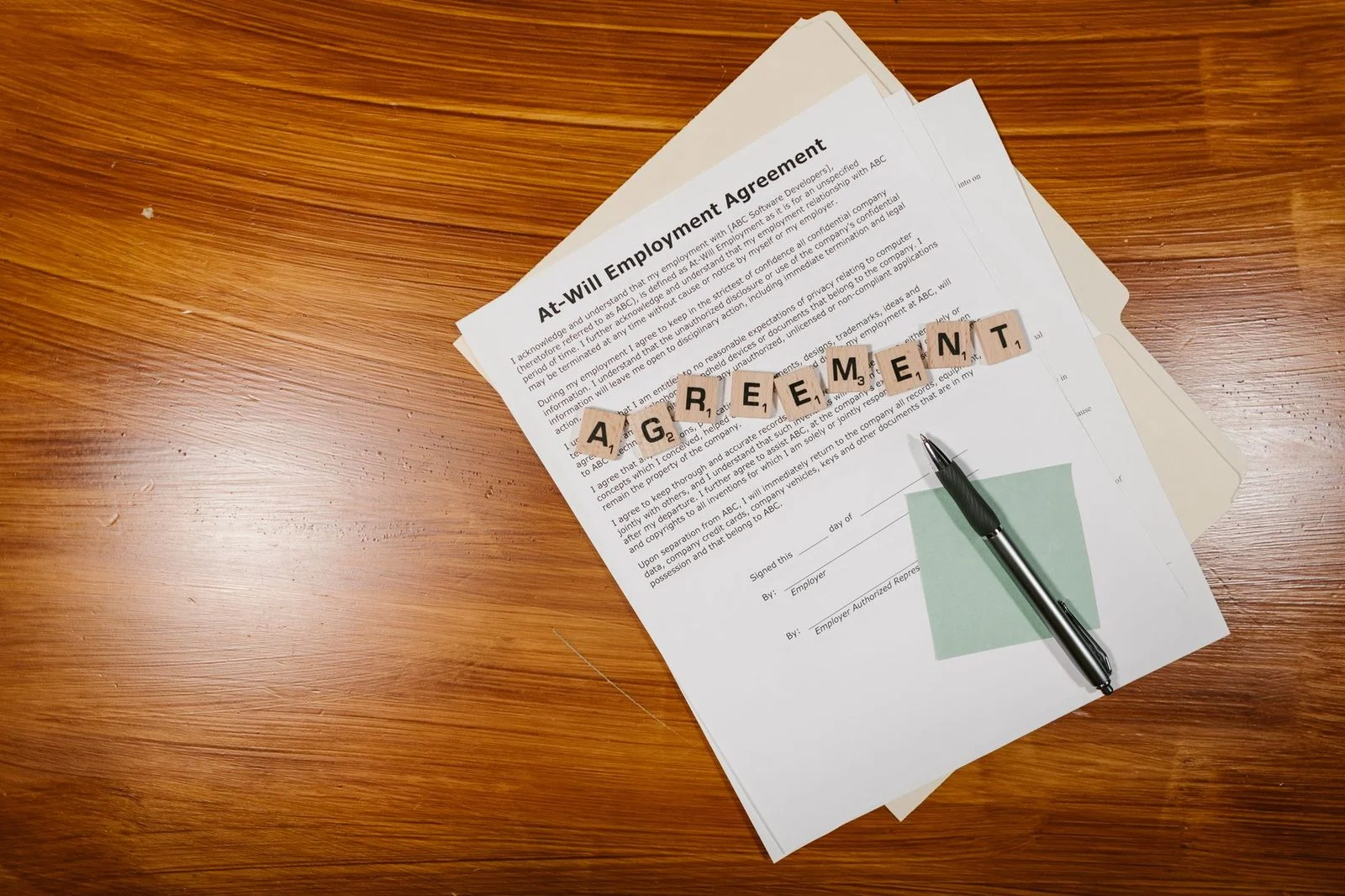
What Is Florida’s Minimum Wage for Full-Time Workers in 2025?
Under Fla. Const. art. X, § 24, Employers shall pay Employees Wages no less than the Minimum Wage for all hours worked in Florida. Full-time status does not lower the hourly rate. The constitution requires employers to pay the minimum wage “for all hours worked in Florida.”
Full-time and part-time workers share the same hourly floor. Hours change the total paycheck. They do not change the minimum rate per hour. Older pay charts may still show $11.00 or $12.00 per hour, and those figures are out of date for 2025.
Check the hourly math each pay period, not only the monthly total. Whether a particular paycheck meets the rule depends on the facts of your payroll, including hours, tips, and how pay is set. This page gives general information, not advice on a specific payroll.
The Schedule of Florida Minimum Wage Increases Under the State Constitution
For a Florida minimum wage 2025 employer, the key rule is the September 30 step. The rate rises by $1.00 each September 30 until it reaches $15.00 on September 30, 2026. The constitution sets this schedule:
- September 30, 2021: $10.00 per hour
- After September 30th, 2021, the Minimum Wage increases by $1.00 per hour each September 30th under Fla. Const. art. X, § 24, until it reaches $15.00 per hour on September 30th, 2026.
- September 30, 2023: the Minimum Wage increases by $1.00 per hour under Fla. Const. art. X, § 24
- September 30, 2024: the Minimum Wage increases by $1.00 per hour under Fla. Const. art. X, § 24
- September 30, 2025: the Minimum Wage increases by $1.00 per hour under Fla. Const. art. X, § 24
- September 30, 2026: $15.00 per hour
Employers planning 2026 payroll should build the $15.00 step into their budgets now. Beginning September 30, 2005, and annually on September 30 thereafter, the Department of Commerce calculates a yearly inflation adjustment using the CPI-W index. Each adjusted rate takes effect on the following January 1, as set out in the constitution.
Mark September 30 on your payroll calendar every year. A rate that changes in the fall can catch a business that only reviews pay in January.
Which Minimum Wage Applies: Florida, Federal, or Local?
Florida’s state minimum wage covers employees who are entitled to the federal minimum wage under the federal Fair Labor Standards Act (FLSA). The Florida Minimum Wage Act also incorporates parts of the FLSA. Federal rules therefore matter when you read the Florida rule.
The constitution also says federal case law and rules developed under the FLSA should guide how Florida’s rule is read. That means a payroll question can involve both sets of rules at once. Keep a note of which rule you applied to each type of pay.
Local rules are a separate check. Some cities and counties may have their own wage requirements. Confirm any local rule that could apply to your workplace, whether it sits in Miami-Dade, Broward, or elsewhere in Florida.
Tipped Employees and the Tip Credit
Florida lets certain employers count some tips toward the minimum wage for tipped employees, but only up to a fixed cap. The constitution ties that cap to the amount of the federal tip credit allowed in 2003. The employee must also meet the eligibility rules for the federal tip credit under the FLSA.
Tips count only up to that cap. Counting every tip dollar toward the minimum is a mistake, because the credit stops at the cap. The cash wage has to cover the rest of the minimum.
Keep weekly records of cash wages, tips reported, and the tip credit taken. Good records make it easier to show that each tipped employee received the full minimum. Review the records at least once a month, not only at year end.
Overtime and the Minimum Wage
Florida’s minimum wage law sets the hourly floor. Overtime raises a separate question, and it is tied to the work the employee actually performs. Florida also has a daily rule for certain workers.
Under Fla. Stat. § 448.01, ten hours of labor is a legal day’s work for workers employed to perform manual labor. That is true unless a signed written contract sets a different number of hours. A worker employed to perform manual labor, without such a contract, is entitled to extra pay for all work the employer requires beyond 10 hours in a day.
Review each job’s duties and daily hours before you assume this rule does not apply. Review the duties of salaried workers too, because a salary alone does not settle whether overtime is owed under federal law. Fix any gaps before the next pay period, not after a complaint.
Not sure what your next step is?
Talk it through with our team — the first consultation is free, confidential, and carries no obligation.
What Happens When an Employer Underpays the Minimum Wage
An underpaid employee who prevails can recover the unpaid wages, plus the same amount as liquidated damages (an extra sum added to back pay), unless the employer proves good faith and reasonable grounds, in which case the court may, in its sound discretion, award no liquidated damages or an amount not exceeding the unpaid minimum wages. The employee can also recover reasonable attorney’s fees and costs. This is the rule in Florida’s minimum wage act.
The employer can ask the court to reduce that extra sum. If the employer shows good faith and reasonable grounds for believing the pay was lawful, the court may award no extra sum. The court may also award an amount up to the unpaid minimum wages.
The Attorney General or another designated official may also sue.
Under Fla. Stat. § 448.08, the court may award costs and a reasonable attorney’s fee to the prevailing party. Fee awards can go either way. An at-will employee may be let go at any time, but not for a reason the law prohibits, such as retaliation.
Related Employer Obligations to Review Alongside Pay Rates
Covered employers must prominently display a minimum wage notice. The state creates that poster each year in English and Spanish, and it must sit in a conspicuous, accessible place where covered employees work.
Pay questions often arise next to other employee issues. These related guides cover them:
- Social media discipline for employers weighing discipline over a post
- Discrimination charge deadlines for timing questions
- Paid sick leave for leave questions tied to pay practices
- Employment claims guide as the hub for employer-side topics
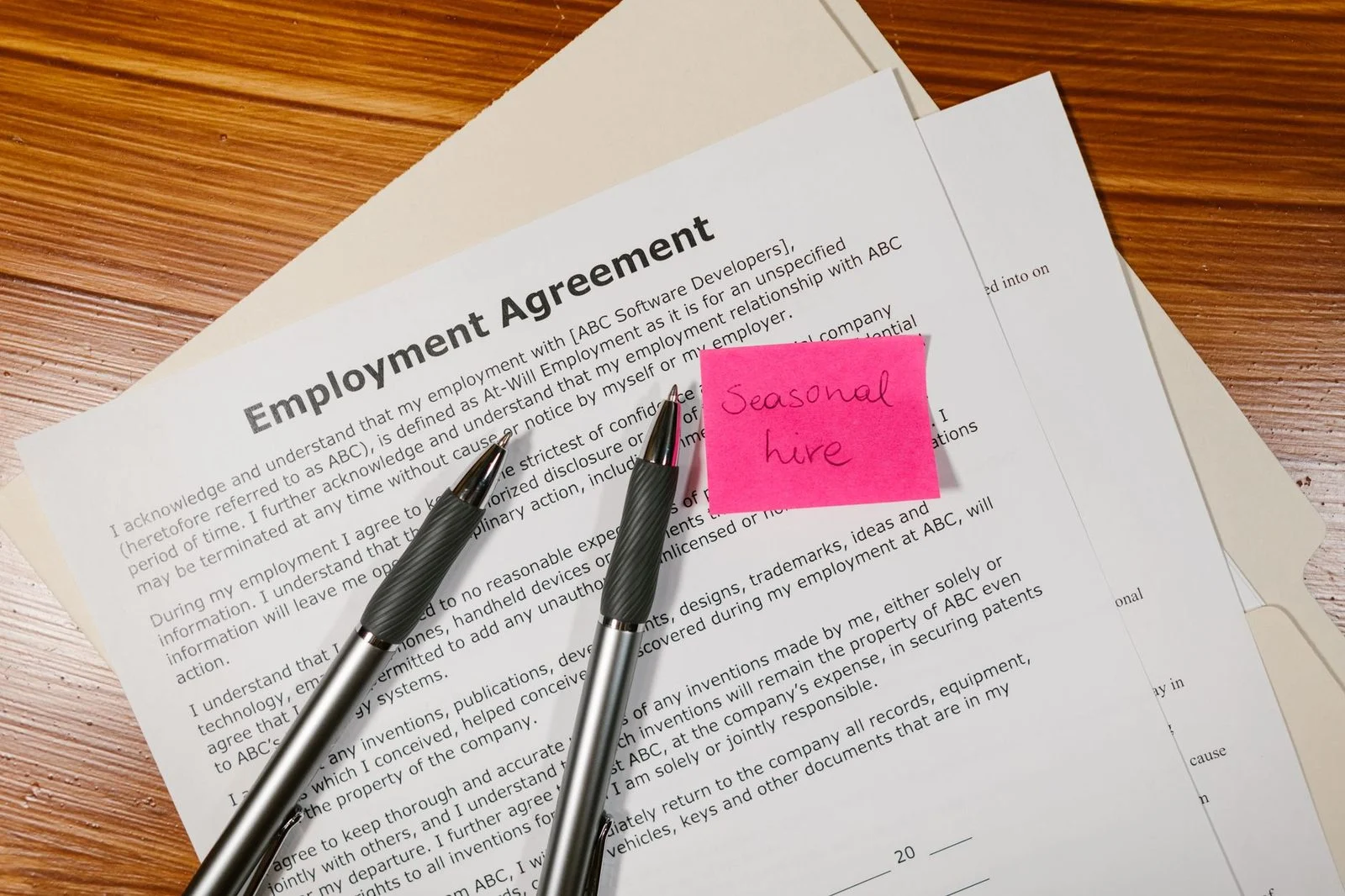
Reviewing Your Florida Pay Practices Before the Next Increase
Start your pay review now, before the $15.00 step on September 30, 2026. The answers below cover the questions employers ask most often.
What is Florida’s minimum wage in 2025?
When does Florida’s minimum wage reach $15.00?
The rate reaches $15.00 per hour on September 30, 2026.
Does a Florida employer have to post a minimum wage notice?
Yes. Covered employers must display the state minimum wage poster in a conspicuous place where employees work.
Can an employer fire someone for raising a pay complaint?
No, not for that reason. Florida law makes retaliation against an employee for asserting minimum wage rights unlawful.
If you raised hourly rates for September 30, 2025, you may now be checking tipped wages, overtime, and posted notices. KEW Legal is a Florida business law firm with offices in Coral Gables and Sunny Isles Beach. Our team can talk through how these rules apply to your staff. The first consultation is free, confidential, and carries no obligation to continue. Call 305-990-2300 or send us a message.
This page is the responsibility of Kristina E. Wilson, a lawyer at KEW Legal, with the firm’s Coral Gables office.
How KEW Legal Supports Employers
Employment law for employers
Our work focuses on the employment and pay questions business owners face, from wage rate changes to written policies and day-to-day staffing decisions.
Outside general counsel
Many clients bring us employment questions as part of an ongoing relationship, so we can review pay practices alongside their other business matters.
Offices in Coral Gables and Sunny Isles Beach
We serve business owners and investors across Miami-Dade County, Broward County and South Florida.
Free, confidential first consultation
Your initial consultation is free, confidential and without obligation to continue.
Every Workplace Is Different
Minimum wage questions often depend on job classifications, tipped positions, exempt roles and how your pay practices are structured. General information is a starting point, not advice for your specific business. Contact KEW Legal to talk through your situation.
Common Payroll Questions Employers Raise
Scheduled rate increases
Reviewing each step early gives your payroll team time to update rates, budgets and timekeeping systems.
Wage postings
We can help you review your current postings.
Pay adjustments and staff morale
Adjusting pay for one role can affect others. We help employers think through compression, raises and communication with the team.
Employee pay complaints
When an employee raises a pay concern, how you respond matters. Speak with counsel before making employment decisions tied to a complaint.
Prepare Your Payroll With Confidence. Talk With KEW Legal Today.
Request a Consultation
Fill out the short form and we will take it from there.