

Employment Law for Employers | Coral Gables & Sunny Isles Beach
Review the Termination Before It Becomes a Dispute
Ending an employment relationship is easier to manage when the decision, the file and the next steps are reviewed first, before anyone is told.
By Kristina E. Wilson · Published November 9, 2026
Deciding to let an employee go is one of the heaviest calls a Florida business owner or manager makes. An employee termination review is an attorney’s check of the facts, documents and timing before that decision becomes final. Done early, it shows where the risks sit while you still have room to fix them.
This page covers what a review includes, how it works and when it makes sense.
What an Employee Termination Review Is and Who It Fits
An employee termination review is a legal check of a firing before it happens. It fits owners, managers and HR leaders at Florida businesses who have a termination under consideration.
Florida is generally an at-will state, which means an employee can be let go at any time. That freedom has limits. A firing cannot rest on a reason the law prohibits, such as retaliation or unlawful discrimination (Laguerre v. Palm Beach Newspapers). The harder question is whether your reason would hold up if the employee challenged it.
Owners often feel the decision is theirs alone. The law still looks at how the decision was made and why. A decision made without review can create claims, even when the employer believes it acted correctly.
Not sure what your next step is?
Talk it through with our team — the first consultation is free, confidential, and carries no obligation.
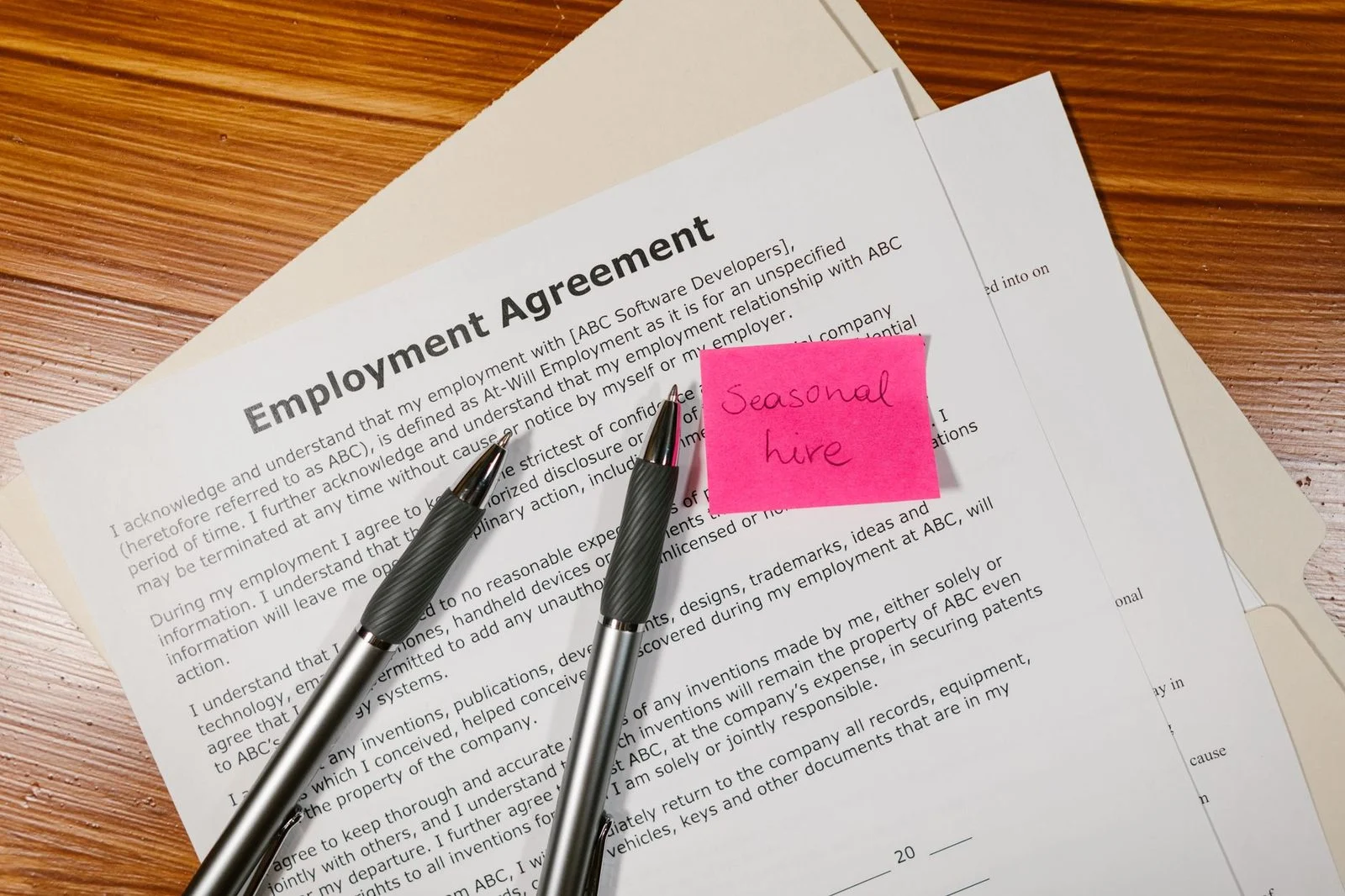
What the Review Covers
Your reason gets tested against state and federal rules, your written promises and your paper trail. Here is what the review checks.
- Discrimination. Florida treats it as an unlawful employment practice for an employer to discharge or refuse to hire someone, or otherwise discriminate against them in pay or terms of employment, because of race, color, religion, sex, pregnancy, national origin, age, handicap or marital status (Fla. Stat. § 760.10). The U.S. Equal Employment Opportunity Commission describes federal employer duties.
- Retaliation. Florida’s Whistle-Blower’s Act bars retaliatory personnel action against an employee who objects to a practice that violates a law, rule or regulation (§ 448.102). Fla. Stat. § 448.102 adds a condition that applies only to an employee who disclosed, or threatened to disclose, a violation to an appropriate governmental agency, under oath and in writing: that protection does not apply unless the employee has, in writing, brought the activity, policy, or practice to the attention of a supervisor or the employer and has afforded the employer a reasonable opportunity to correct it. This written-notice condition is not part of the protection for objecting to, or refusing to participate in, a violation. Florida also prohibits an employer from discharging, threatening to discharge, intimidating, or coercing an employee because of a valid workers’ compensation claim or an attempt to claim compensation (§ 440.205).
- Coverage size. The Florida Civil Rights Act defines an employer as one with 15 or more employees for each working day in 20 or more calendar weeks of the current or preceding year (§ 760.02). The Whistle-Blower’s Act uses a lower bar, ten or more persons (§ 448.101). Small employers should check which rules reach them.
- Objections and complaints. Fla. Stat. § 448.102 provides that an employer may not take any retaliatory personnel action against an employee because the employee has objected to, or refused to participate in, any activity, policy, or practice of the employer which is in violation of a law, rule, or regulation.
- Handbooks and contracts. Handbook policy statements do not create enforceable contract rights unless they contain specific language showing both sides agreed the manual is a separate employment contract (Quaker Oats Co. v. Jewell). Pull any signed offer letter or contract too.
- Final pay and benefits. Confirm what the employee is owed under your policies, agreements and pay records before the last day.
How the Termination Review Works, Step by Step
The review runs in five steps, from the first conversation to a written recommendation.
- Initial consultation. You describe the employee, the reason and the date you hope to act.
- Document collection. You share the personnel file, policies, contracts, pay records and any complaints.
- Analysis. The firm flags each exposure point and what to fix, document or handle differently.
- Recommendation. You get guidance on whether to proceed, how to deliver the decision, and what to say or avoid saying.
- Termination steps. The firm helps prepare termination notices, final pay steps and, where it fits, a separation agreement.
You don’t need a complete file to start. Bring the employee’s job title, hire date, any written warnings and the decision you’re considering. The output is a written recommendation you can act on. How long the review takes depends on how much documentation exists and how fast you can provide it.
Situations That Call for a Termination Review
A review matters most when the file is thin, the timing is close to a complaint or the decision affects several people. Common examples include:
- A performance firing where warnings were informal or never written down.
- A misconduct firing where you want the process to hold up if it is challenged.
- A termination shortly after a complaint, leave request, pay dispute or workplace injury.
- A layoff that affects several employees and may raise age or other protected-class questions.
- An ownership or leadership change where new management wants to remove an employee.
A common mistake is firing first and gathering records later. Records assembled after the decision tend to look like an afterthought.
Costs and the Free First Consultation
The first consultation is free, confidential and carries no obligation to continue.
Use that call to cover the scope of the review and the fee structure. Bring your questions about the process and the documents, not just the end result. Ask for the fee terms in writing, including any filing or administrative charges that may apply, so you know every cost before you engage the firm.
Why Employers Work With KEW Legal
KEW Legal focuses on business law for owners and investors, including employment issues for employers.
Kristina E. Wilson is the responsible lawyer for this page. Our lawyers serve business owners and investors across Miami-Dade and South Florida from offices in Coral Gables and Sunny Isles Beach, Florida.
Because the firm acts as outside general counsel, a termination can be reviewed alongside the contracts, leases and ownership questions you already bring to us. That means one team looks at the employment decision and the business records around it. If a matter should go to another lawyer or firm, we will say so.
Not sure what your next step is?
Talk it through with our team — the first consultation is free, confidential, and carries no obligation.
Common Questions Before Firing an Employee in Florida
Can I fire an employee in Florida without a reason?
Florida is generally at-will, so you may end employment at any time. You may not use a reason the law prohibits, such as retaliation or unlawful discrimination.
Should I write down the reason before I tell the employee?
Notes made when events happen are easier to defend than notes written after a dispute starts. Record the reason and the facts behind it before the conversation.
What if the employee recently complained about pay or harassment?
A firing that follows a complaint needs review before it becomes final. Florida restricts retaliation in certain situations under its Whistle-Blower’s Act, and its minimum wage law requires employers to pay a minimum wage for all hours worked in Florida, but only to those individuals entitled to receive the federal minimum wage under the federal Fair Labor Standards Act (§ 448.110).
Do I have to pay final wages?
Check your policies, agreements and pay records to confirm what the employee is owed. If a minimum wage claim follows, Florida law gives the employer 15 calendar days after written notice to pay the unpaid wages or resolve the claim.
How long does a former employee have to bring a claim?
A Whistle-Blower’s Act claim must be brought within 2 years after the employee discovers the action, or within 4 years after it was taken, whichever is earlier (§ 448.103).
Is a separation agreement worth considering?
A separation agreement is a written deal about how the employment ends. Whether it fits depends on the facts, and the firm can walk through its terms with you.

Schedule Your Termination Review Before You Act
If you’re weighing a firing after a recent pay complaint, and the reasons still live in your head rather than on paper, the next step is a short conversation. We’ll review the basic facts with you, explain the scope and list the documents needed before anything is final. Call 305-990-2300 or send us a message to set up your first consultation.
What a Termination Review Covers
The Decision and Its Reason
We look at whether the stated reason is supported by the facts and whether it is applied the same way to others in similar roles.
Discrimination and Retaliation Risk
We check whether recent complaints, leave, pay concerns or protected activity could be connected to the decision.
Timing and Documentation
We review the sequence of performance notes, warnings and events so the timeline is clear before any conversation takes place.
Separation Paperwork and Final Pay
We help you review the separation agreement, final pay details and any policies that apply to the employee's departure.
Pause Before You Act
A termination decision made in anger, announced before the file is reviewed, or documented after the fact can be harder to defend than the underlying issue. Call us before the meeting takes place.
Steps Employers Can Take Now
Gather the Records
Collect the job description, performance reviews, written warnings, emails and any policy the employee signed or received.
Write Down the Facts
Record what happened, who was involved and when, while the details are still fresh. Keep opinions out of the notes.
Check for Protected Activity
Note any recent complaint, accommodation request, leave, wage question or report that may bear on the decision.
Plan the Conversation
Decide who will attend, what will be said, what will be handed over and how the employee's questions will be handled.
Talk With KEW Legal Before the Termination Meeting
Related practice areas
Request a Consultation
Fill out the short form and we will take it from there.