

Partnership Dispute Attorney · Broward County
When a Business Partner Breaks the Agreement, Act with a Clear Plan
KEW Legal represents business owners across Broward County and South Florida in partnership disputes, from the first document review to the next step you choose.
By Kristina E. Wilson · Published November 14, 2026
If a business partner has stopped following your written partnership or operating agreement, you probably need a clear first step. A partnership agreement breach happens when a partner fails to do what the agreement requires, or does what it forbids. Florida law starts with the agreement itself.
This page explains common breaches, what to gather, the deadlines to watch, and how a dispute usually moves forward for Broward County owners, co-owners, and LLC members.
What a Partnership Agreement Breach Means in Florida
A breach is a partner’s failure to perform a duty the written agreement creates. Under Fla. Stat. § 620.8103, the partnership agreement governs relations among partners. Partnerships fall under Florida Statutes Chapter 620, and LLCs fall under Chapter 605.
Under Florida law, the only fiduciary duties a partner owes to the partnership and the other partners are the duty of loyalty and the duty of care (Fla. Stat. § 620.8404). Loyalty means you cannot keep profit from partnership property, deal with the partnership for an adverse party, or compete with it before dissolution. Care means refraining from grossly negligent or reckless conduct, intentional misconduct, or a knowing violation of law.
For an LLC, each manager of a manager-managed company and each member of a member-managed company owes duties of loyalty and care to the company and its members (Fla. Stat. § 605.04091). An operating agreement cannot relieve a person from liability for conduct involving bad faith, willful or intentional misconduct, or a knowing violation of law (Fla. Stat. § 605.0105).
The same conduct can be a breach under one agreement and allowed under another. The exact wording matters.
If a co-owner is not following your partnership or operating agreement, you do not have to work out the next steps alone; we are ready to review the agreement with you. Talk it through with our team — the first consultation is free, confidential, and carries no obligation.
Common Partnership and Operating Agreement Breaches
Most disputes involve money, information, competition, or exit rules. Each one turns on what the signed document says.
- Unpaid capital. A partner skips a required contribution or fails to fund an agreed obligation.
- Improper distributions. Profits or draws are withheld, or paid to one owner in a way the agreement does not allow.
- Taking opportunities. A partner takes a customer, deal, or company opportunity for personal gain. Florida’s duty of loyalty requires a partner to account for that profit.
- Blocked records. A partner refuses to share the books. A partnership must give partners access to its books and records during ordinary business hours (Fla. Stat. § 620.8403).
- Non-compete or confidentiality breaches. A partner competes or uses private information in violation of the agreement’s terms.
- Skipped exit steps. A partner leaves without following buy-sell, transfer, or withdrawal rules. A partner who dissociates in breach of an express provision is liable for resulting damages (Fla. Stat. § 620.8602).
Signs You May Have a Claim and What to Gather First
Start by collecting the signed agreement, every amendment, and any side letters. The written terms decide what counts as a breach. Warning signs include missed distributions, unexplained transfers, locked-out accounts, and a partner running a competing business.
Gather these records next:
- Bank statements, ledgers, and tax returns, including Schedule K-1s
- Emails, texts, and meeting minutes showing what was promised and what happened
- A dated written record of your own performance and of the other partner’s requests and refusals
Two cautions apply. Don’t change records, delete messages, or make public statements about the partner before you discuss your options. Also, don’t wait too long after you learn the facts.
How a Partnership Dispute Moves Forward, Step by Step
Most disputes move from document review to a written demand, then to negotiation, and then to mediation, arbitration, or court. The agreement’s dispute clause sets the path.
- Review the agreement and the facts. Identify each provision at issue and the dispute clause.
- Send a written demand. It should name the provisions and the cure you want.
- Negotiate. Direct talks or talks through counsel often narrow the issues.
- Under Fla. Stat. § 44.102(2)(a), a court must, upon request of one party, refer to mediation any filed civil action for monetary damages, provided the requesting party is willing and able to pay the costs of the mediation or the costs can be equitably divided between the parties, unless an listed exception applies, such as the parties having agreed to binding arbitration.
- Arbitrate or litigate. An agreement in a written record to submit a dispute to arbitration is generally valid, enforceable, and irrevocable, unless a ground exists at law or in equity to revoke any contract. The court decides whether an arbitration agreement exists (Fla. Stat. § 682.02). If the agreement has no arbitration clause and talks fail, the case may go to court.
Timing varies with the agreement, the facts, and how the other side responds.
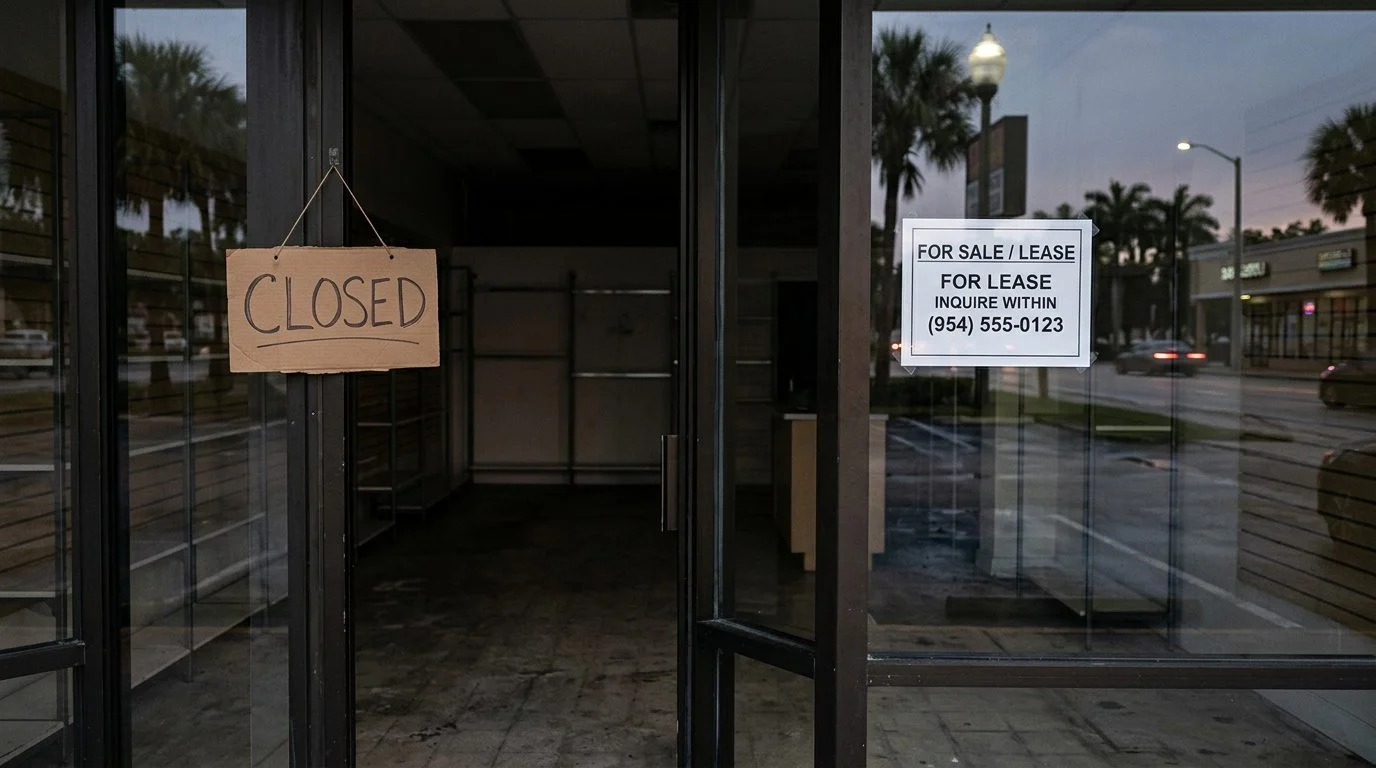
Deadlines: Time Limitations for Business Partner Claims
Florida generally allows five years to sue on a written contract and four years on an oral one (Fla. Stat. § 95.11). A contract clause that sets a shorter time to sue than the statute allows is void (Fla. Stat. § 95.03).
Notice steps are a separate issue. A buy-sell or withdrawal clause may require written notice before a buyout or exit. Skipping that step can affect your position, even when the lawsuit deadline is years away. Each claim has its own clock. An early review helps you see which steps and deadlines apply before you act.
Why Work With KEW Legal on a Broward County Partnership Dispute
KEW Legal is a Florida business law firm. It acts as outside general counsel for business owners and investors across Miami-Dade and South Florida, and it serves Broward County clients from its Coral Gables and Sunny Isles Beach offices.
The firm handles partnership disputes, vendor disputes, employment issues for employers, business sales and succession, commercial leases, and investment property matters. Kristina E. Wilson is the responsible lawyer for this page. Natalie Martinez is also a lawyer at the firm.
Our attorneys start with the full agreement. Then they identify the realistic options and explain the likely next steps and timeline before anything is sent or filed. You can also read our Broward County operating agreement breach guide.
Not sure what your next step is?
Talk it through with our team — the first consultation is free, confidential, and carries no obligation.
Common Questions About Partnership Agreement Breaches
Many answers start with the agreement’s own wording.
Can I force a partner out of my Florida LLC?
Your operating agreement governs relations among members and between the members and the limited liability company (Fla. Stat. § 605.0105).
Do I have to go to court first?
Not always. If your agreement requires arbitration, Florida law generally enforces that clause. Many agreements also call for mediation first.
What if our agreement is oral or incomplete?
An oral or partly written deal can still raise claims. The proof and the deadline can differ, and an oral contract generally has four years.
Can a partner refuse to show me the books?
Under Florida’s partnership act, a partnership must give partners access to its books and records during ordinary business hours. It may charge a reasonable amount for copies.
Talk With KEW Legal About Your Broward County Partnership Dispute
The next step is a careful review of your agreement and the facts, not a rushed move. If your co-owner is holding back distributions, controlling access, or ignoring the agreement, you may feel stuck and unsure what to do first. You don’t have to sort that out alone.
La consulta inicial es gratuita, confidencial y sin compromiso de continuar. (The first consultation is free, confidential, and carries no obligation to continue.)
Call 305-990-2300 or send us a message through our contact page to schedule your consultation.
How KEW Legal Works with Business Owners
Review the Governing Documents
We start with your operating agreement, shareholder or partnership agreement, and the records of what was promised and when.
Weigh Your Options
We explain the paths available under your agreement, including negotiation, mediation, arbitration, or litigation, so you can decide with full information.
Protect the Business
Our team focuses on steps that help preserve company assets, records, and relationships while the dispute is resolved.
Outside General Counsel
Many clients keep us on as ongoing outside general counsel, so partnership issues are handled alongside contracts, employees, and leases.
Do Not Wait to Get Advice
Partnership disagreements can grow quickly, and actions taken early, such as changing bank access or sending notices, can affect your position. Speak with a lawyer before you respond in writing or take unilateral action.
Common Partnership Dispute Matters
Breach of Operating or Partnership Agreement
Disputes over capital contributions, profit distributions, voting rights, or duties owed between partners.
Removing or Buying Out a Partner
Reviewing the buyout, expulsion, or dissociation provisions in your agreement and how they apply to your situation.
Deadlock and Management Conflicts
Addressing stalled decisions and governance disputes that threaten daily operations.
Mediation and Negotiated Resolutions
Working toward settlement terms that protect the business and allow the partners to move forward.
Talk with KEW Legal About Your Partnership Dispute. The First Consultation Is Free, Confidential, and Carries No Obligation to Continue. Our Coral Gables and Sunny Isles Beach Offices Serve Broward County and South Florida.
Related practice areas
- Business Contract And Vendor Dispute Attorney
- Vendor Contract Dispute and Separate LLC Liability Florida
Request a Consultation
Fill out the short form and we will take it from there.