

Business Contracts & Vendor Disputes | Coral Gables and Sunny Isles Beach
When Your Purchase Order and the Vendor's Invoice Disagree
KEW Legal helps Florida business owners work out which terms control in a battle of the forms dispute, and what to do next. Free first consultation, confidential and with no obligation to continue.
By Kristina E. Wilson · Published November 2, 2026
Which Terms Control When a Purchase Order and an Invoice Conflict?
When a purchase order and a vendor’s invoice say different things, Florida’s sale-of-goods law decides which terms win. Fla. Stat. § 672.102 provides that this chapter applies to transactions in goods and, in the case of a hybrid transaction, sets out how it applies depending on whether the sale-of-goods aspects predominate. A battle of the forms purchase order dispute in Florida usually starts the same way. Each side sends its own standard terms, and the two sets don’t match.
The answer turns on three questions. Did the parties form a contract at all? What does each form say? How did both sides act after the paperwork went out? Each question has its own rule, and the sections below walk through them.
For a wider view of disputes with suppliers, see our vendor contract dispute guide.
If your vendor's invoice changed the payment or cancellation terms on your purchase order, our team can review both documents with you before you pay or object. Talk it through with our team — the first consultation is free, confidential, and carries no obligation.

How Can a Purchase Order and Invoice Form a Contract?
A purchase order and a vendor’s response can form a contract even when the documents don’t match. Under § 672.207(1), a definite and timely expression of acceptance works as an acceptance. That holds even if it adds terms or states different ones. The exception is when acceptance is expressly made conditional on the buyer agreeing to the new terms.
In a battle of the forms purchase order dispute in Florida, the purchase order is often treated as the offer. Florida’s offer rule is broad. Under § 672.206(1)(a), an offer invites acceptance in any reasonable manner and medium. Fla. Stat. § 672.206 reads: “(1) Unless otherwise unambiguously indicated by the language or circumstances: (a) An offer to make a contract shall be construed as inviting acceptance in any manner and by any medium reasonable in the circumstances.” Under § 672.206(1)(b), an order or other offer to buy goods for prompt or current shipment is construed as inviting acceptance either by a prompt promise to ship or by the prompt or current shipment of conforming or nonconforming goods, but a shipment of nonconforming goods does not constitute an acceptance if the seller seasonably notifies the buyer that the shipment is offered only as an accommodation to the buyer.
Timing matters. So the date each document arrives is a fact worth recording.
What Happens to Extra Terms Between Businesses?
Between merchants, extra terms usually become part of the contract. Under § 672.207(2), added terms are treated as proposals. Under Fla. Stat. § 672.207, when both parties are merchants, those additional terms become part of the contract unless the offer expressly limits acceptance to its own terms, the additional terms materially alter it, or notification of objection to them has already been given or is given within a reasonable time after notice of them is received. The offer expressly limits acceptance to its own terms. The new terms materially alter the deal. Or the other side already objected, or objects within a reasonable time after getting notice.
Who counts as a merchant? Fla. Stat. § 672.104 defines a merchant as a person who deals in goods of the kind. It also covers someone who holds out knowledge or skill about the goods involved. A business that regularly buys and sells goods usually fits that description.
The buyer has a drafting lever. Add that line before a dispute starts, not after.
When Does Conduct Decide the Contract?
If both sides act as though a deal exists, a contract can form from that conduct. Fla. Stat. § 672.207(3) says conduct by both parties that recognizes a contract is enough. The terms then are the ones the writings agree on, plus gap-filler terms from other parts of the code. § 672.204(1) says a contract for goods can be made in any manner that shows agreement, including conduct.
Shipping, receiving, and paying are the actions that can carry the most weight. Under § 672.606(1), a buyer accepts goods when, after a reasonable chance to inspect, it says they conform or keeps them despite a defect. Acceptance also occurs when the buyer fails to make an effective rejection, but such acceptance does not occur until the buyer has had a reasonable opportunity to inspect the goods. Fla. Stat. § 672.606 reads: “(c) Does any act inconsistent with the seller’s ownership; but if such act is wrongful as against the seller it is an acceptance only if ratified by her or him.” It also occurs when the buyer does an act inconsistent with the seller’s ownership; but if that act is wrongful as against the seller, it counts as acceptance only if the seller ratifies it. Fla. Stat. § 672.606 reads: “(c) Does any act inconsistent with the seller’s ownership; but if such act is wrongful as against the seller it is an acceptance only if ratified by her or him.” Keeping goods and paying the invoice without objection can look like that kind of conduct.
Walking away has limits too. Under § 672.206(2), an offeror not told of acceptance within a reasonable time may treat the offer as lapsed. That applies where starting performance was a reasonable way to accept. Written notice is clearer than silence.
Which Conflicting Terms Usually Start Disputes?
Payment timing, cancellation charges, warranty disclaimers, liability limits, and governing-law clauses often cause the fights. Each one can appear on one form and not the other.
Warranty disclaimers have strict wording rules. Under § 672.316(2), excluding the implied warranty of merchantability requires language that mentions merchantability. In a writing, that language must also be conspicuous. Under § 672.316(3)(a), phrases like “as is” exclude implied warranties unless the circumstances show otherwise. A vague line in small print on an invoice may not do the job.
Unfair clauses face a court check. Under § 672.302(1), a court that finds a clause unconscionable when made may refuse to enforce it. It may enforce the rest of the contract or limit the clause. Under Fla. Stat. § 672.302, a court that finds a contract or any clause of it unconscionable at the time it was made may refuse to enforce the contract, enforce the remainder without the unconscionable clause, or limit the clause so as to avoid an unconscionable result.
Governing law is another common fight. Under Fla. Stat. § 671.105(1), except where another code provision listed in that section specifies the governing law, when a deal bears a reasonable relation to Florida and also to another state or nation, the parties can agree that the law of either Florida or that other state or nation will govern their rights and duties.
When Might Article 2 Not Apply?
Fla. Stat. § 672.102 applies this chapter to transactions in goods and, in a hybrid transaction where the sale-of-goods aspects do not predominate, applies only those provisions that relate primarily to the sale-of-goods aspects. If the sale-of-goods parts of a mixed deal do not predominate, only the provisions that relate mainly to goods apply. If they predominate, the chapter applies, and other law can still govern the services side.
Take a common example. A buyer orders equipment and also pays for installation and a year of maintenance. Which part is the main purpose? The answer decides which rules govern the conflicting terms.
Don’t assume the form’s label settles it. Look at the price split and what the vendor actually does. Settle this question early, before any objection letter goes out.
Not sure what your next step is?
Talk it through with our team — the first consultation is free, confidential, and carries no obligation.
What Practical Steps Protect Your Position Before a Dispute?
Check every invoice against your purchase order before you pay or accept delivery. Log each term that differs, along with the date it arrived. This simple habit gives you the clearest record.
Send written objections to terms you don’t accept, and send them promptly. Under § 672.207(2)(c), notice of objection given within a reasonable time counts. State clearly that acceptance is limited to your purchase order terms. That line ties to § 672.207(2)(a).
Keep the full paper trail. That means emails, acknowledgments, delivery receipts, and payment records. Before signing a vendor’s click-through or acknowledgment form on a significant deal, have it reviewed.
Remember the cost of a fight. Early review is often worth more than a late fight.
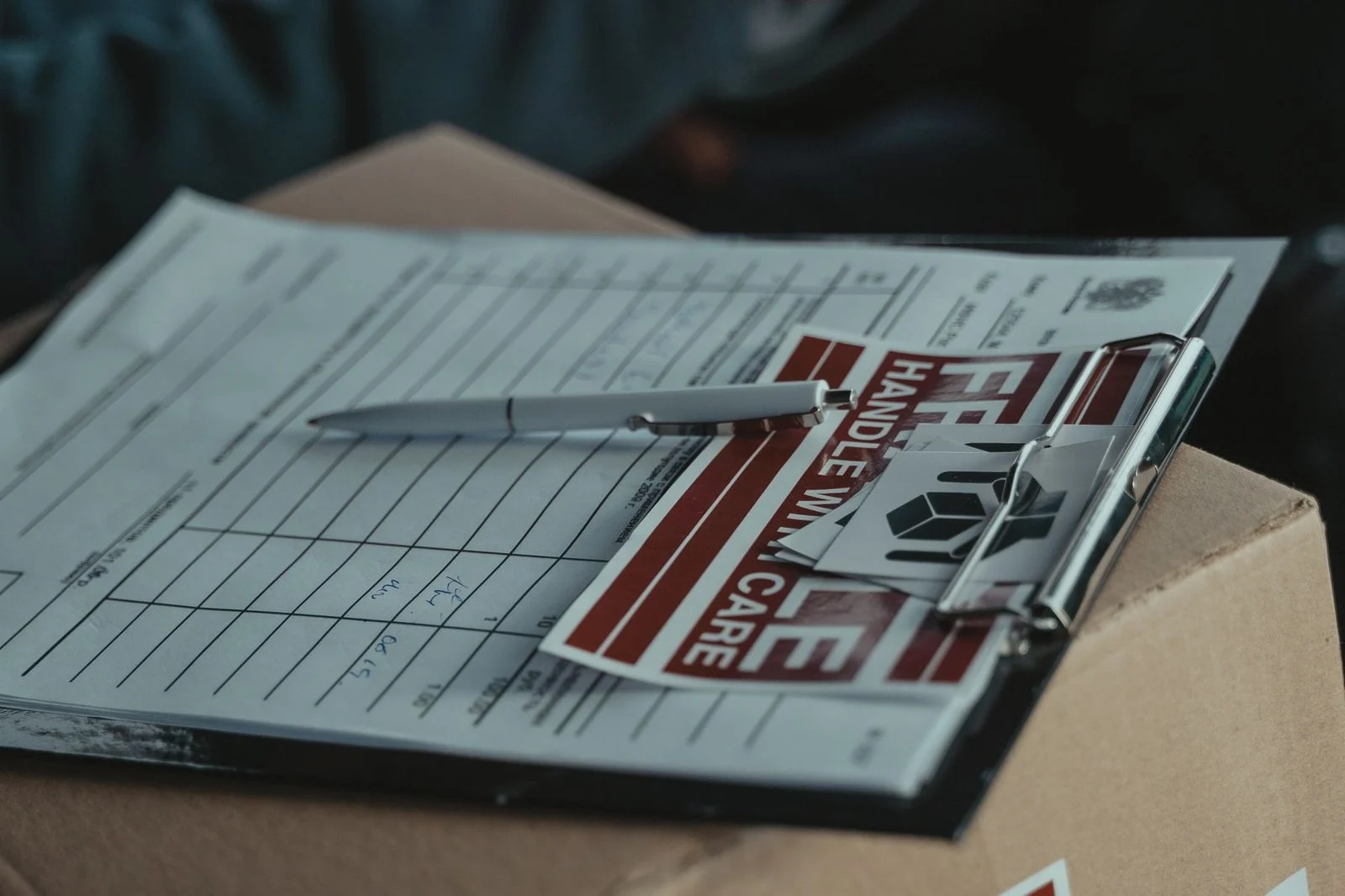
Talk With KEW Legal About Your Purchase Order Dispute
If a vendor invoice with different payment, cancellation, or liability terms arrived after your purchase order, you may need to decide now. Should you pay, object, or cancel before the next shipment? KEW Legal handles business contract and vendor dispute matters for owners and investors across Miami-Dade and Broward. The firm has offices in Coral Gables and Sunny Isles Beach. Kristina E. Wilson is the responsible attorney for this page.
The firm’s lawyers can review the specific forms, including the purchase order, the invoice, and the emails between you and the vendor. Every conflict depends on its own documents and conduct, so no general rule can predict the result.
Call 305-990-2300 or send a message through our contact page. The first consultation is free, confidential, and carries no obligation to continue (consulta inicial gratuita, confidencial y sin compromiso).
How KEW Legal Approaches Purchase Order Disputes
Document Review
We compare your purchase order, the vendor's quote, invoices, acknowledgments and delivery records to map where the two sides' terms conflict.
Clear Options
We explain the arguments available under Florida's sale-of-goods framework so you can decide how to proceed before the dispute escalates.
Protecting Your Business
Our goal is to protect your cash flow, supply chain and vendor relationships while you pursue the outcome that fits your business.
Outside General Counsel
Our team works with owners and managers as an ongoing legal resource, so purchasing terms are set up correctly before the next dispute arises.
Don't Wait Until the Invoice Is Already Overdue
Terms printed on the back of a form or buried in an email can change the outcome of a dispute. Reviewing your purchase order process and vendor paperwork before a shipment goes wrong is far easier than sorting it out afterward.
Common Questions About Purchase Order Disputes
Whose Terms Apply?
When each side sends its own standard terms, the answer depends on the documents exchanged and how the parties actually dealt with each other. We review the full paper trail with you.
What If the Vendor Refuses Payment?
We evaluate the contract language, the goods or services delivered and any notices exchanged, then discuss the options for collecting payment or resolving the disagreement.
Can We Fix This in Future Orders?
Yes. We help businesses update purchase order forms, vendor agreements and acceptance procedures so the terms that matter are clear and consistently used.
Who Handles Business Disputes Like This?
KEW Legal focuses on business law across Miami-Dade and South Florida, including partnership, vendor and contract disputes, serving clients from our Coral Gables and Sunny Isles Beach offices.
Have a Purchase Order Dispute? Let's Review Your Paperwork
Request a Consultation
Fill out the short form and we will take it from there.