

Business Contracts | Coral Gables & Miami-Dade
Review Your Vendor Contract Before You Sign
KEW Legal helps Miami-Dade business owners and investors read vendor agreements for payment, renewal, liability, and notice terms before a dispute starts. Responsible attorney: Kristina E. Wilson, Coral Gables.
By Kristina E. Wilson · Published October 26, 2026
Outside general counsel vendor contract review means a lawyer reviews your vendor agreements and helps with payment disputes as they come up. The lawyer stays on as an ongoing point of contact, not a one-time drafter. KEW Legal offers this service to business owners and investors in Miami-Dade and South Florida, from offices in Coral Gables and Sunny Isles Beach.
What Outside General Counsel Means for Vendor Contracts
Outside general counsel is a continuing relationship between a lawyer and a business that has no in-house legal department. The lawyer answers contract questions as they come up, not only when a deal closes.
This model fits owners and managers who sign recurring agreements with suppliers, service providers, and other vendors. A one-time drafting job ends when the document is signed. An ongoing relationship lets the same lawyer review the next vendor agreement, the renewal of the last one, and a dispute with the same vendor.
Kristina E. Wilson is the responsible lawyer for this page. Natalie Martinez is also a lawyer at the firm. Continuity matters because the lawyer who knows your contracts can spot a problem faster.
If a vendor agreement still needs review or an unpaid invoice now has a deadline, our team can go through the documents with you before you respond. Talk it through with our team — the first consultation is free, confidential, and carries no obligation.
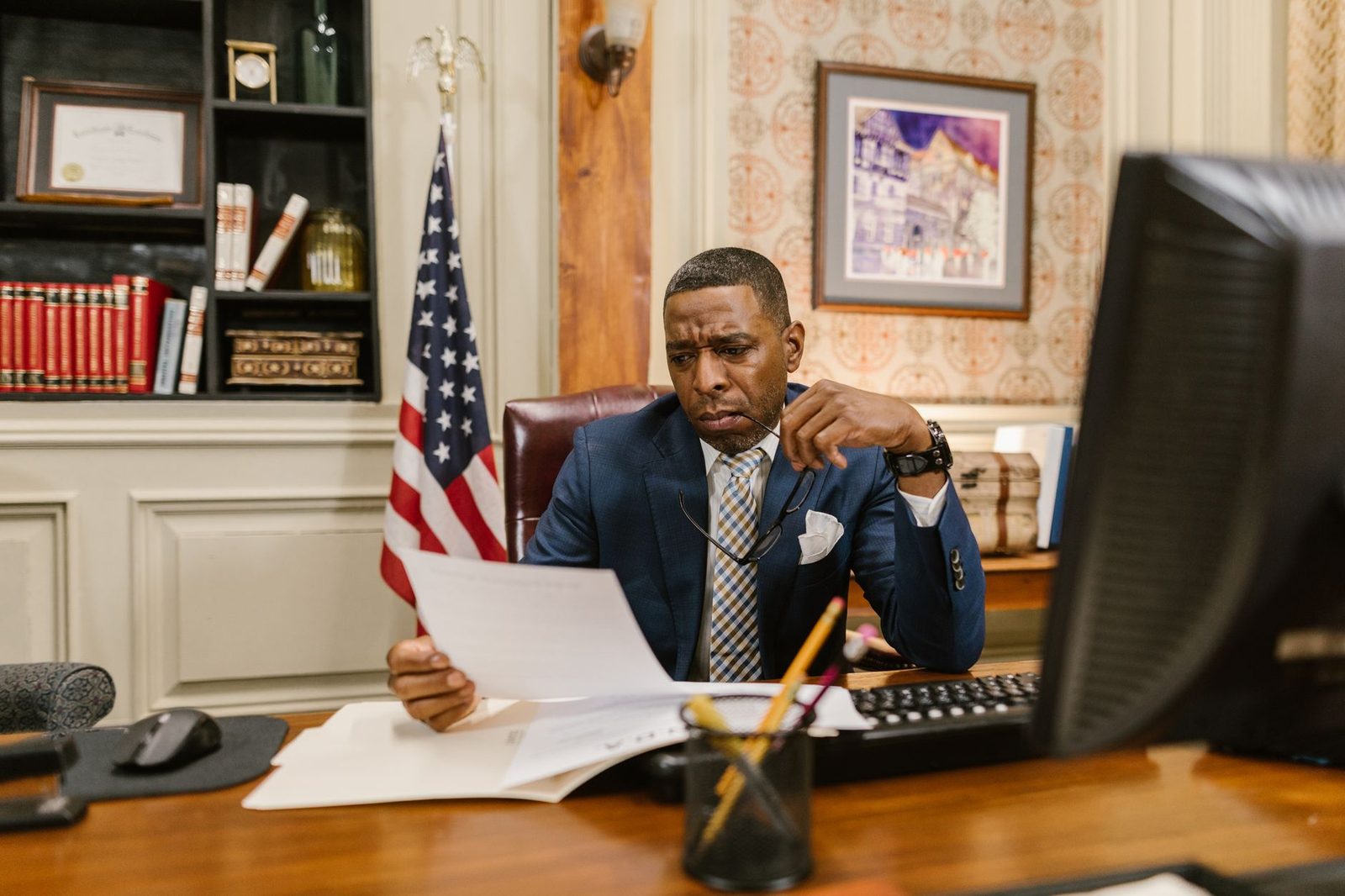
What Vendor Contract Review Covers
A vendor contract review checks the terms that decide who pays, when, and what happens when work goes wrong. Each item below can cost a business money if it’s missed.
- Scope of work: Is the work described well enough to measure, so you can tell whether it was done?
- Payment terms: amounts, due dates, milestones, late fees, deposits, and who decides when work is complete.
- Change orders: how extra work gets approved, and whether unapproved add-ons can be billed.
- Acceptance and cure rights: how you reject defective work and how much time the vendor gets to fix it.
- Termination and renewal: notice deadlines that can roll a contract forward without a clear reminder.
- Liability and insurance: indemnity (who covers losses), limits on liability, insurance requirements, and confidentiality.
- Disputes: governing law, venue (the place a case is heard), and any duty to mediate or arbitrate before a lawsuit.
- Signatures and extra writings: who signed for each party, and whether emails, texts, or purchase orders change the deal.
The last two items matter most once a dispute starts. Read them before you sign, not after.
When a Vendor Payment Dispute Needs Counsel
A vendor payment dispute needs counsel when money is held back, a demand arrives, or an invoice doesn’t match the agreed price. Early review often protects your position better than a late one.
Common situations include a vendor billing for disputed work, a business withholding payment over poor or incomplete work, and an invoice that charges more than the contract allows. Whether you can hold payment depends on the contract language, the notice you gave, and the records of the problem.
Under Fla. Stat. § 672.201(1), a contract for the sale of goods for the price of $500 or more is not enforceable by way of action or defense unless there is a record sufficient to indicate that a contract for sale has been made between the parties and signed by the party against whom enforcement is sought or by that party’s authorized agent or broker. For a covered sale of goods, Florida law generally requires a record signed by the party against whom enforcement is sought or by that party’s authorized agent or broker; a record is not insufficient because it omits or incorrectly states an agreed term, but the contract is not enforceable beyond the quantity of goods shown in the record (Fla. Stat. § 672.201). Under § 672.607, a buyer that accepted goods must notify the seller of a breach within a reasonable time after it discovers or should have discovered it. If it doesn’t, it may be barred from any remedy. Under § 672.606, acceptance can occur after a reasonable chance to inspect, when the buyer signals the goods conform or keeps them despite a problem.
Texts and emails can matter too. Under § 672.207, conduct by both parties that recognizes a contract can establish a contract for sale, even if the writings don’t. Under § 668.004, an electronic signature has the same force as a handwritten one, unless another law provides otherwise.
Warning signs that call for early review include a demand letter, a threat of a lien or collection, a suspended service, or a notice with a short response deadline. While a dispute is pending, keep written records of each objection. Avoid conduct that suggests you accept the disputed work.
How the Engagement Works, Step by Step
The process starts with a conversation and moves to a written plan. Here is what to expect.
- Intake. You schedule a free first consultation. It is confidential, with no obligation to continue. We identify the vendor, the contract, the amounts, and the deadlines.
- Document review. The lawyer reads the signed agreement, amendments, purchase orders, invoices, performance records, and correspondence in one pass.
- Written assessment. You receive a summary of the key risks, the contract terms that control, your options, and any open questions.
- Action plan. Based on your contract and records, options may include redlines (marked-up changes) before signing, a response or demand letter, a notice to cure, or a negotiated settlement.
- Escalation. If talks fail, the lawyer explains the dispute clause and the next steps. Under § 682.02, a written agreement to arbitrate is generally valid and enforceable. Under § 44.102, a court must, on one party’s request, refer many filed money-damages cases to mediation, provided the requesting party is willing and able to pay the costs of the mediation or the costs can be equitably divided between the parties. Fla. Stat. § 44.102 reads: “(2) A court, under rules adopted by the Supreme Court: (a) Must, upon request of one party, refer to mediation any filed civil action for monetary damages, provided the requesting party is willing and able to pay the costs of the mediation or the costs can be equitably divided between the parties, unless: 1.” Exceptions apply, including suits filed to collect a debt and cases where the parties agreed to binding arbitration.
The first written assessment can be planned during the consultation. How long a dispute takes is shaped by the vendor’s response and the steps in the contract.
What to Gather Before Your First Call
Bring the documents that show what was agreed, what was delivered, and what was paid. Having these ready makes the first meeting more useful.
- The complete signed agreement, with exhibits, statements of work, and any renewal or amendment.
- Purchase orders, invoices, and payment records, plus a list of amounts paid and amounts claimed.
- Delivery dates, acceptance emails, inspection reports, photos, and complaints sent to the vendor.
- All messages about the dispute, including texts, emails, and voicemails, with dates.
- Any demand letters, default notices, or lien or collection papers, with each deadline marked.
- A short timeline of what happened and when, plus your goal, such as resolving a balance, ending the relationship, or fixing future contract terms.
Why Work With KEW Legal on Vendor Contracts
KEW Legal is a Florida business law firm that works as outside general counsel for business owners and investors. The firm has offices in Coral Gables and Sunny Isles Beach.
Its work centers on business matters: partnership and vendor disputes, contracts and commercial leases, employee issues, buying, selling, and succeeding a business, and investment property. A vendor dispute can touch a lease, a partner, or an employee. Reviewing the vendor contract alongside the rest of the business helps keep the advice consistent.
Kristina E. Wilson is the responsible lawyer for this page, and the firm’s lawyers include Natalie Martinez. The outside general counsel model gives your business one point of contact for vendor questions over time.
Each engagement starts with the documents and the goals you set. The written assessment explains the reasons behind each recommendation. If a matter falls outside these practice areas, or another lawyer or firm should handle it, we will tell you at intake.
Not sure what your next step is?
Talk it through with our team — the first consultation is free, confidential, and carries no obligation.
Common Questions About Vendor Contract Review and Payment Disputes
Do I need a lawyer to review a vendor contract before I sign?
A review can catch payment, renewal, and liability terms that are easy to miss. Changes are easier to make before signing than after a dispute begins.
Can I withhold payment from a vendor whose work is defective?
The answer turns on the contract’s notice and cure terms and the written record of the problem. Those documents are where a review starts.
What is a notice to cure?
It is a written notice that names the problem and gives the other side a chance to fix it. Under § 672.508, a seller whose nonconforming delivery was rejected, while the time for performance has not yet expired, may seasonably notify the buyer of its intent to cure and then make a conforming delivery within the contract time.
Does a vendor contract have to be in writing?
For goods priced at $500 or more, Florida law generally requires a signed record before the contract can be enforced. Under § 672.201, exceptions exist, so each deal should be checked.
How long do I have to sue a vendor?
Florida sets time limits in § 95.11. That section covers a legal or equitable action on a contract, obligation, or liability not founded on a written instrument, including an action for the sale and delivery of goods (s. 95.11(3)(j)). A contract clause that sets a shorter period is void under § 95.03.

Talk Through Your Vendor Contract With Our Team
If a vendor agreement still needs review, or an unpaid invoice now has a deadline attached, you don’t have to sort it out alone. Call 305-990-2300 or send us a message. Our team will schedule your first consultation to go through the contract, the payment issue, and the documents you’ve gathered.
Why Review a Vendor Contract Before Signing
Payment and Delivery Terms
Check when payments are due, what triggers them, and how disputed invoices or late deliveries are handled.
Renewal and Termination
Auto-renewal clauses and exit terms are easy to overlook, and they often shape your options later.
Liability and Indemnity
Understand who carries the risk if work is defective, delayed, or causes a loss to your business.
Notice and Cure Requirements
Know what written notice the contract requires and what steps must come before any remedy.
Changes Are Easier Before You Sign
Once a vendor relationship is underway, revising the contract often becomes harder. Raising questions during the review stage gives you more room to negotiate clearer terms.
How We Help Miami-Dade Businesses With Vendor Contracts
Pre-Signing Review
We read the agreement with your business goals in mind and flag terms that need clarification or revision.
Negotiation Support
We help you propose clearer language for payment, scope, renewal, and liability before the contract is final.
Vendor Dispute Response
When a vendor relationship breaks down, we review the written record and the contract's notice and cure terms with you.
Ongoing Outside General Counsel
For business owners who want a lawyer familiar with their operations, we provide ongoing support across contracts and related business matters.
Start With a Free, Confidential Consultation
Related practice areas
Request a Consultation
Fill out the short form and we will take it from there.