

Employment Law for Employers | Coral Gables and Sunny Isles Beach
Is On-Call Time Paid Work? A Florida Guide for Employers
An on-call schedule can look simple on paper. Here is how to think through the hours your workers spend waiting to be called in.
By Kristina E. Wilson · Published November 11, 2026
You asked a worker to keep their phone on after hours, or to stay close to the shop in case something breaks. Now you want to know whether those hours have to be paid.
Short answer: when on-call time counts as paid work
Ask two questions. How fast must the worker answer? Where must they be while on call?
A worker who must answer within minutes and stay near the job site has little personal freedom. That time looks like work. A worker who only leaves a number and can respond when convenient has much more freedom. That time often isn’t work.
Florida adds another layer. The Florida Constitution says employers must pay at least the minimum wage for all hours worked in Florida, but only to those individuals entitled to receive the federal minimum wage under the federal Fair Labor Standards Act. Florida Constitution, art. X, § 24 sets that rule.
The state’s Florida Minimum Wage Act also incorporates sections 213 and 214 of the federal Fair Labor Standards Act, as interpreted by federal regulations.
If your staff must stay reachable after hours and you're unsure whether that time must be paid, we can review your on-call rules with you. Talk it through with our team — the first consultation is free, confidential, and carries no obligation.

Are you obligated to answer work calls on personal time?
Your rules decide the answer, not a single phrase.
Several rules push the time toward paid work. These include a required response time, a company phone that must stay on, and a limit on how far the worker can travel.
Picture a plumbing company, with invented details. Its technician must answer within 10 minutes and stay within 20 minutes of the shop. The technician can’t go to a child’s game or rest without answering. That time is likely work time.
Now picture a second technician who only gets a text they can answer by morning. That arrangement is much lighter. The difference lies in the restrictions, not in the word “on call.”
For a broader view of managing staff lawfully in Florida, see managing employees legally in Florida.
What does being on call mean?
“On call” is a label.
Employment lawyers often describe two situations.
An employee required to stay on your premises during on-call hours is usually in the first situation. An employee asked only to leave a contact number may be in the second.
Each arrangement needs a look at its details. Consider distance, response time, and what the employee can actually do with the time.
Writing an on-call policy into a handbook doesn’t settle the pay question either. Florida courts have held that handbook policy statements don’t create enforceable contract rights unless the manual says it is a separate employment contract. See Quaker Oats Co. v. Jewell. Keep your written rules accurate anyway, because they show what you required.
How Florida minimum wage rules apply to on-call time
When on-call hours count as work, Florida’s minimum wage rules apply to them. Paying nothing for those hours can create real exposure.
The state minimum wage reaches its final level on September 30, 2026. After that, it adjusts each year for inflation, and each adjusted rate takes effect January 1. Florida Constitution, art. X, § 24 sets out those steps.
A worker who wins a claim recovers the unpaid wages. The worker also recovers the same amount again as liquidated damages, plus reasonable attorney’s fees and costs, unless the employer proves by a preponderance of the evidence that it acted in good faith with reasonable grounds, in which case the court may, in its sound discretion, award no liquidated damages or a lesser amount not exceeding the unpaid minimum wages. Florida law sets time limits for these claims under section 95.11, Florida Statutes, and the applicable deadline can depend on the facts, so it is worth asking about timing early.
Before bringing a claim for unpaid minimum wages under the Minimum Wage Act, the worker must give the employer written notice. The notice must identify the minimum wage claimed, the work dates and hours, and the total unpaid amount. See Fla. Stat. § 448.110.
If the employer proves by a preponderance of the evidence that it acted in good faith and had reasonable grounds for believing its practice was lawful, a court may, in its discretion, award no liquidated damages. It may also award a smaller amount. Punitive damages aren’t available on these claims.
A worker who hasn’t received the lawful minimum wage must also give the employer 15 days to resolve the claim. Only after that can the worker file a civil action. See Fla. Stat. § 448.109.
Overtime: how on-call hours add to the weekly total
Picture a warehouse supervisor, with invented numbers for illustration. The supervisor works a regular 40-hour schedule and also answers required on-call calls for 6 hours. If those 6 hours count as work, the week’s total is 46 hours. Your overtime review starts from 46, not 40.
How on-call pay is calculated
Add overtime where it applies.
Start by logging the hours of restricted availability that count as work. Track the time each call takes, too. Those hours are the figures you’ll need.
A flat stipend, such as a fixed fee for an overnight shift, doesn’t automatically cover every hour. Every arrangement has its own facts.
Imagine a company paying a flat $50 for an overnight on-call shift, with invented figures. The worker answers calls for 3 hours and must stay near the site for the other 9. The flat fee may not cover all 12 hours. Compare the stipend to the full time you require, not just the calls.
Not sure what your next step is?
Talk it through with our team — the first consultation is free, confidential, and carries no obligation.
Scheduling on-call coverage across locations and family-run teams
Who counts as the employer can shift when more than one business or manager is involved. Confirm who sets the on-call rules and who pays for them.
If you run several locations or share staff with another company, check those lines carefully. Joint employer questions for multi-location owners covers that issue in more detail.
Family-run setups raise the same question. The guide on spouse and co-owner supervision in Florida covers that setup.
Records owners should keep for on-call time
Keep written records of each on-call schedule, the response rules, and the hours workers actually spend responding. Clear records show what you required and what you paid.
Useful records include:
- The on-call schedule, with names and dates
- Written response requirements, such as response times or travel limits
- Call logs showing when each call came in and how long it took
- Hours actually spent responding or staying near the site
Florida also requires employers who must pay the minimum wage to post the state notice where employees work. See Fla. Stat. § 448.109.
If a worker complains about unpaid on-call time, review the complaint before you act. An at-will employee can be fired at any time, but not for a reason the law prohibits. Retaliation is one such reason. See Laguerre v. Palm Beach Newspapers.
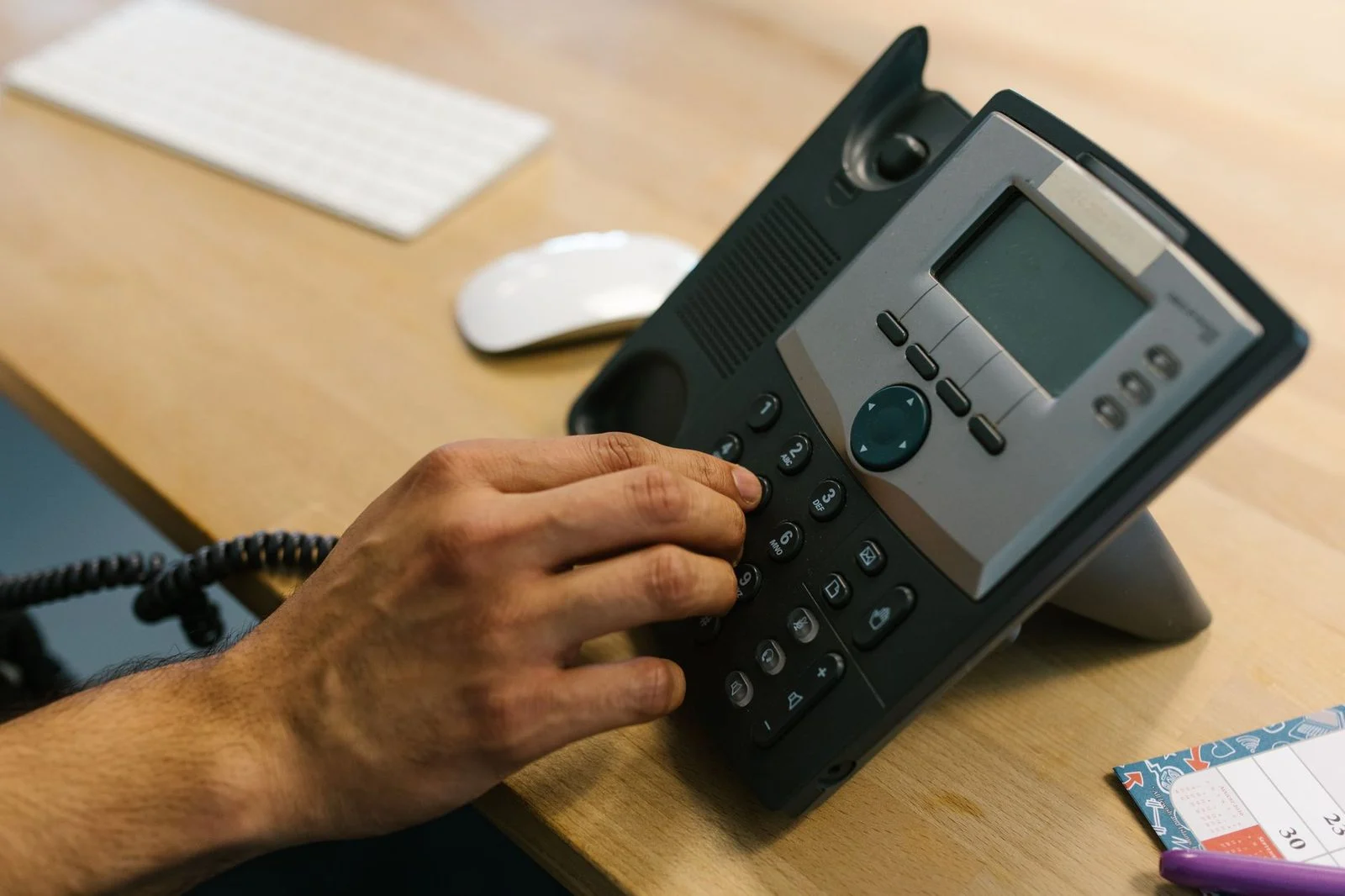
Talk through your on-call schedule with KEW Legal
If your staff must stay reachable after hours, you face three separate choices. You can change the standby rules, change how you pay for on-call time, or review and correct hours already worked.
Each choice turns on your written rules and the hours your workers actually logged.
Is on-call time always paid in Florida?
Does the Florida minimum wage apply to on-call hours?
The Florida Constitution requires employers to pay at the minimum wage for all hours worked in Florida, but only to those individuals entitled to receive the federal minimum wage under the federal Fair Labor Standards Act.
How long does a worker have to sue over unpaid minimum wages in Florida?
Your on-call rules may already be creating paid hours you haven’t tracked. Call 305-990-2300 or send us a message to discuss your schedule. Kristina E. Wilson is the lawyer responsible for this page. KEW Legal has offices in Coral Gables and Sunny Isles Beach. Your first consultation is free, confidential, and carries no obligation to continue.
How KEW Legal Supports Employers
Outside General Counsel
Ongoing legal guidance for business owners on employee matters, so questions get answered before they become disputes.
Policy and Schedule Review
We review your on-call schedules, timekeeping practices and written policies so they match how your business actually operates.
Confidential First Consultation
Your first consultation is free, confidential and comes with no obligation to continue.
Don't Rely on the Label Alone
Questions to Review Before You Set an On-Call Policy
Map the Restrictions
List what workers must do while on call, including how fast they must respond and where they must remain.
Review Your Written Policies
Check that your handbook, offer letters and schedules describe on-call duties consistently.
Track On-Call Activity
Record calls, callbacks and work performed during on-call periods so your timekeeping reflects what happened.
Check the Applicable Wage Rules
Have counsel confirm which federal and Florida wage requirements apply to your workforce.
Put Your On-Call Policy on Solid Footing
Request a Consultation
Fill out the short form and we will take it from there.