

Employment Law for Employers | Coral Gables and Sunny Isles Beach
Employment Law Guidance for Small Business Owners in South Florida
KEW Legal advises business owners across Miami-Dade and Broward on hiring, workplace policies, and employee disputes, working as outside general counsel for your company.
By Kristina E. Wilson · Published October 24, 2026
Florida employment law for small business owners covers the whole life of a job, from the first hire to the final paycheck. Florida is an at-will state, so most jobs can end at any time. But at-will status doesn’t let you act for a reason the law forbids. This guide maps the main rules in the order you’ll face them: hiring, managing and ending employment. It’s written for owners in Miami-Dade and Broward who want plain language before a decision is in front of them.
Why Florida Employment Law Matters for Small Business Owners
Questions about employment obligations can come up at any stage of a business’s growth. The cost of a mistake can add up fast. Under Florida’s minimum wage amendment, a worker who wins can recover unpaid back wages plus the same amount as liquidated damages, but if the employer proves by a preponderance of the evidence that the act or omission giving rise to such action was in good faith and that it had reasonable grounds for believing it was not a violation, the court may, in its sound discretion, award no liquidated damages or any amount not exceeding the unpaid minimum wages. The worker can also recover reasonable attorney’s fees and costs. In discrimination cases, a court may award back pay and compensatory damages under the Florida Civil Rights Act. Punitive damages are capped at $100,000 in total for each aggrieved person.
Agency charges also take time, records and a written response. The U.S. Equal Employment Opportunity Commission publishes guidance for employers on federal anti-discrimination duties. Which laws reach your business depends on your size, where your workers live and work, and what they do.
KEW Legal acts as outside general counsel for business owners and investors across Miami-Dade and Broward. Kristina E. Wilson is the responsible lawyer for this page. The firm has offices in Coral Gables and Sunny Isles Beach.
If you're weighing a termination, a contractor reclassification or a wage demand, you don't have to work through Florida's rules alone; our team is ready to talk. Talk it through with our team — the first consultation is free, confidential, and carries no obligation.
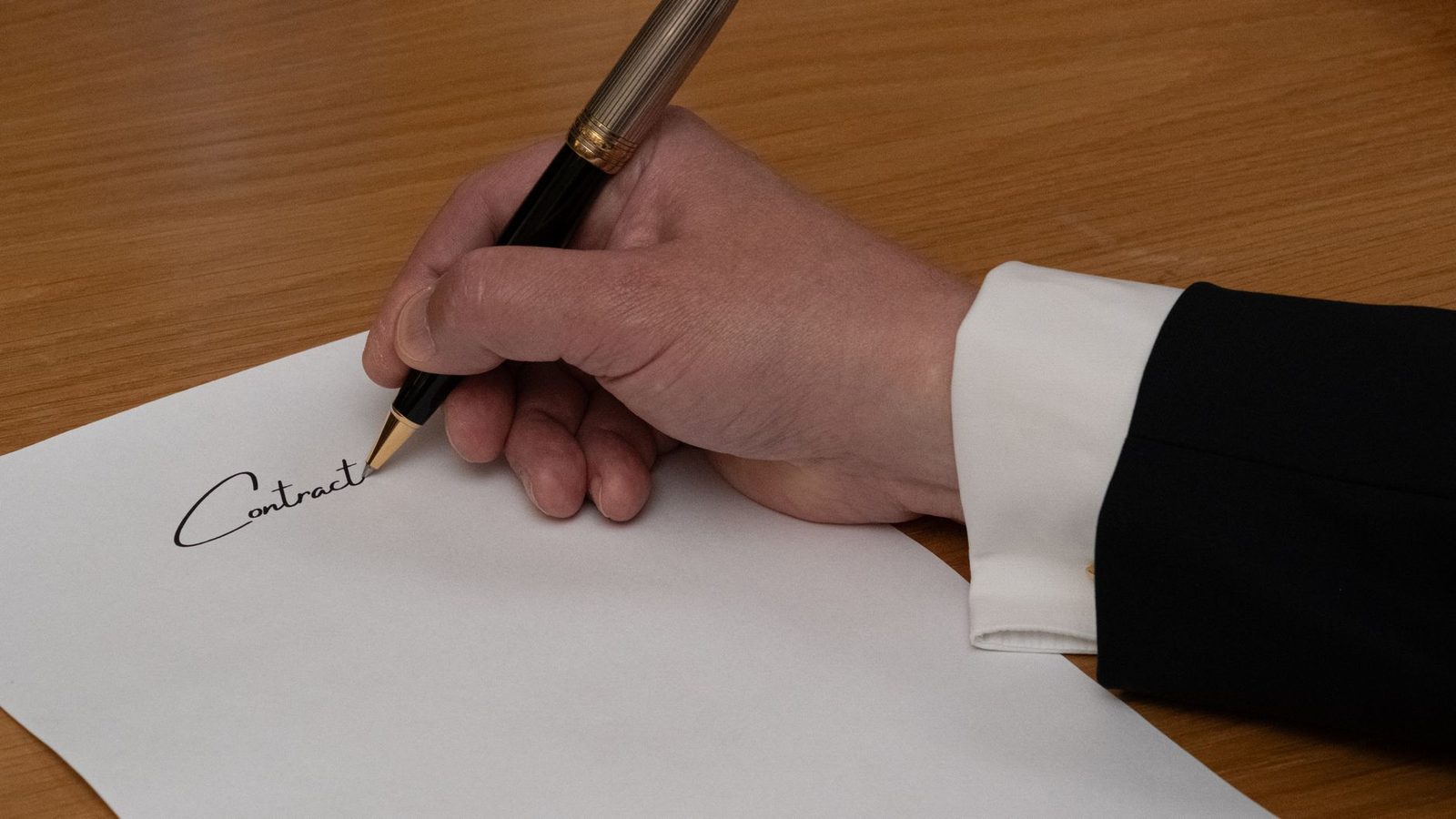
What Are the Rights of Employees in Florida?
Florida employees can be let go at will, but they still hold legal protections. Where a job has no set term, either side can end it at any time. No breach-of-contract claim lies for that ending, as the Florida Supreme Court explained in Gessner v. Southern Co.. The same court noted that Florida has never recognized a common-law tort for retaliatory discharge. A fired worker must rely on a contract or statute that makes the firing illegal.
As Laguerre v. Palm Beach Newspapers puts it, an at-will employee may be discharged at any time, as long as the reason is not one the law prohibits, such as retaliation or unlawful discrimination.
Florida’s Florida Civil Rights Act makes it an unlawful employment practice for an employer to discharge, fail to hire or discriminate with respect to compensation, terms, conditions, or privileges of employment because of a protected trait. The protected traits include race, color, religion, sex, pregnancy, national origin, age, handicap and marital status. The same law bars retaliation against a person who opposes an unlawful practice or files a charge.
Florida’s whistle-blower statute protects workers who object to or refuse to join a practice that breaks a law, rule or regulation. It also protects workers who give information to an investigating agency.
How Do I Know If My Business Qualifies as a Small Business?
Your headcount decides coverage under each law, and the counting rules differ. Under the Florida Civil Rights Act, an employer is any person with 15 or more employees for each working day in each of 20 or more calendar weeks in the current or preceding calendar year, according to Fla. Stat. § 760.02.
Note the timing. The test looks at weeks, not just the number of people on payroll today. A business can cross the line for a year without noticing.
Part-time workers, leased workers and staff at more than one location can change the count. Whether a particular law reaches your company depends on the facts. Track your headcount by week, and revisit the count each year. Florida’s minimum wage amendment borrows the federal definitions of “employer,” “employee” and “wage,” so federal definitions matter there too.
What Employment Laws Apply to Small Businesses?
Most small Florida employers answer to a mix of federal, state and local rules. The federal laws most owners hear about include the Fair Labor Standards Act (wages and overtime), Title VII, the Americans with Disabilities Act, the Age Discrimination in Employment Act, the Family and Medical Leave Act and the Equal Pay Act. Each one has its own coverage rules.
At the state level, the core laws include the Florida Civil Rights Act, the minimum wage amendment, the Florida Minimum Wage Act and Florida’s whistle-blower statutes. Florida also has an employment eligibility law.
Check the rules where your workers work, not only where your office sits.
Hiring Practices and Anti-Discrimination Laws
Hiring decisions must not turn on a protected trait. Job postings and interview questions should focus on the duties of the job. Questions about age, marital status, pregnancy, religion, disability or national origin invite claims. Write down the job criteria before interviews begin. Then apply the same standards to every candidate.
Agreements matter too. Florida’s restrictive covenant law says a court will not enforce a non-compete or similar restraint unless it is in a writing signed by the person being bound. The party seeking enforcement must show a legitimate business interest, such as trade secrets or valuable confidential information. If a restraint is broader than needed, a court can modify it and grant only the relief reasonably necessary.
Put ownership of work created on the job in writing. Confidentiality terms and intellectual property ownership should be clear before the first day. Florida courts read the terms you signed, so drafting matters.
Classifying Workers: Employees vs. Independent Contractors
A worker is an employee when you control how the work gets done, not just because you pay them. Florida’s employment eligibility law defines an employee as an individual filling a permanent position who works under the employer’s power to direct the material details of how the work is performed, in exchange for pay. Under Fla. Stat. § 448.095, an independent contractor, as defined in federal laws or regulations, hired to perform a specified portion of labor or services is not an employee.
Whether a worker is an employee or an independent contractor is often a fact-specific question.
Review your classifications before a dispute, not after one starts. Our independent contractor classification review covers this step in more detail.
Not sure what your next step is?
Talk it through with our team — the first consultation is free, confidential, and carries no obligation.
Managing Employees: Handbooks, Pay, Leave and Remote Work
A handbook sets expectations, but in Florida it usually does not create a binding contract. The Fifth District explained in Quaker Oats Co. v. Jewell that manual policies are not enforceable contract rights unless the manual states that it is a separate employment contract agreed by both sides. Write your handbook clearly, and say plainly what it does and does not promise.
Pay rules need careful attention.
Florida’s minimum wage rate is adjusted each year. The state publishes the adjusted rate by October 15, under Fla. Stat. § 448.110.
Leave and remote work add more layers.
Ending Employment Lawfully in Florida
You can end an at-will job, but not for a reason the law forbids. Under Florida’s minimum wage law, firing someone in retaliation for exercising minimum wage rights protected under Art. X of the State Constitution, such as filing a complaint, can create liability. Florida’s minimum wage law bars an employer from taking adverse action against a person in retaliation for exercising rights protected under Art. X of the State Constitution.
In Gessner v. Southern Co., the Florida Supreme Court held that a worker suing over an objection must show the practice was actually illegal. In an action brought under Fla. Stat. § 448.103, the court may order an injunction, reinstatement to the same or an equivalent position, reinstatement of full fringe benefits and seniority rights, compensation for lost wages and benefits, and other compensatory damages allowable at law.
Document the reason for each separation, the date and who made the decision. Notes made at the time carry more weight than memories later.
References are another exposure point. Florida’s employer reference law gives immunity to an employer that discloses information about a current or former employee to a prospective employer. The immunity does not apply if the information was knowingly false or violated a civil right under chapter 760, and the worker shows that by clear and convincing evidence.
After separation, remind former workers of any confidentiality duties in writing. Review what restrictive covenants they signed.
Overtime Claims, Wage Disputes and Agency Responses
Before a worker sues for unpaid minimum wages, the worker must give the employer written notice. The notice must state the minimum wage claimed, the work dates and hours, and the total unpaid amount through the notice date, under Fla. Stat. § 448.110. Treat any written wage demand as a serious matter from day one.
Fee exposure runs both ways. In an action for unpaid wages, the court may award the prevailing party costs and a reasonable attorney’s fee, according to Fla. Stat. § 448.08.
Common wage disputes start with misclassified exempt employees, off-the-clock work or final pay that was not made. When a claim or agency inquiry arrives, gather time records, pay stubs and schedules. Respond in writing and keep copies of everything you send. Do not retaliate against the worker who raised the issue, because Florida’s minimum wage amendment bars retaliation for exercising those rights.
Where KEW Legal Fits: Outside General Counsel for Florida Employers
KEW Legal serves business owners and investors as outside general counsel. Employment questions often arrive alongside contracts, leases and ownership issues. The firm’s employment work for employers covers handbooks, classification questions, separations and agency charges.
KEW Legal has offices in Coral Gables and Sunny Isles Beach. The firm focuses on business law for owners and investors across Miami-Dade and Broward. The firm’s lawyers, including Kristina E. Wilson and Natalie Martinez, handle employment matters for businesses.
A matter may be referred to another lawyer or firm where appropriate. The firm will explain that possibility if it applies to your situation.

Talk With KEW Legal Before the Next Hiring, Pay or Termination Decision
If you’re about to let a worker go, reclassify a contractor or answer a wage demand, talk with KEW Legal before you act. Call 305-990-2300, or send us a message through the contact page. Your first consultation is free, confidential and without obligation to continue.
Frequently Asked Questions
Is Florida an at-will employment state?
Yes. Either side can end an at-will job at any time, but not for a reason the law prohibits.
How many employees does a business need to be covered by the Florida Civil Rights Act?
The law covers employers with 15 or more employees for each working day in 20 or more calendar weeks in the current or preceding calendar year.
Do Florida small businesses have to use E-Verify?
Section 448.095 requires public agencies and their contractors to use E-Verify, and it also requires other employers it covers to use the system and certify compliance each year. Any employer may not continue to employ an unauthorized alien after obtaining knowledge of that status.
Is an employee handbook a contract in Florida?
Usually not. It becomes a contract only if it clearly states that both sides agreed it is a separate employment contract.
How KEW Legal supports employers
Outside general counsel
Ongoing access to counsel for everyday workforce questions, so you can act with confidence instead of guessing.
Clear written policies
Help drafting and updating offer letters, handbooks, and workplace policies that match how your business actually operates.
Risk-focused planning
Practical steps for documenting performance, pay decisions, and workplace concerns before they escalate.
Direct communication
Plain-language answers about your options, so you understand each decision before you make it.
Document first, then decide
Before you terminate an employee or respond to a complaint, write down what happened, when, and who was involved. Speak with a lawyer before you act so your next step is based on the full picture.
Employment matters we handle for employers
Hiring and onboarding
Offer letters, independent contractor agreements, confidentiality terms, and onboarding documents that set clear expectations from day one.
Handbooks and workplace policies
Drafting and reviewing handbooks, conduct policies, and leave procedures tailored to your company's size and industry.
Complaints and internal reviews
Guidance on responding to employee complaints, conducting internal reviews, and keeping records that support your decisions.
Terminations and separations
Planning terminations, reviewing separation agreements, and advising on how to handle departures with care and clear documentation.
Get a free, confidential first consultation with KEW Legal. No obligation to continue.
Request a Consultation
Fill out the short form and we will take it from there.