

Employment Law for Employers · Kristina E. Wilson · Coral Gables
Florida's Minimum Wage Is Going Up. Is Your Payroll Ready?
KEW Legal helps South Florida employers plan pay changes, update workplace policies, and reduce compliance risk before the new minimum wage takes effect.
By Kristina E. Wilson · Published November 2, 2026
Florida’s minimum wage rises to $15.00 per hour on September 30, 2026. Employers need to change more than the wage rate on that date. Payroll settings, tipped pay, posters, and records all need a review before the increase takes effect.
This guide covers what the Florida minimum wage increase means for employers, what to change, and when. KEW Legal helps business owners and managers with employment questions across Miami-Dade and South Florida.
Florida’s Minimum Wage Schedule: What Rate Applies and When
On September 30, 2026, it rises to $15.00 per hour. The Florida Constitution, art. X, § 24 sets this schedule.
The amendment set the rate at $10.00 per hour on September 30, 2021. It then rose by $1.00 each September 30 until it reached $15.00 on September 30, 2026.
Under Fla. Stat. § 448.110, beginning September 30, 2005, and annually on September 30 thereafter, the Department of Commerce calculates an adjusted state minimum wage rate by increasing the rate for inflation. The adjustment uses the Consumer Price Index for Urban Wage Earners and Clerical Workers, not seasonally adjusted, for the South Region or a successor index, as calculated by the United States Department of Labor. Each new rate takes effect on the following January 1.
Then confirm the first pay period that uses the new rate.
If you run a business with hourly staff paid near the current floor, our team can talk through your payroll changes before the next increase date. Talk it through with our team — the first consultation is free, confidential, and carries no obligation.
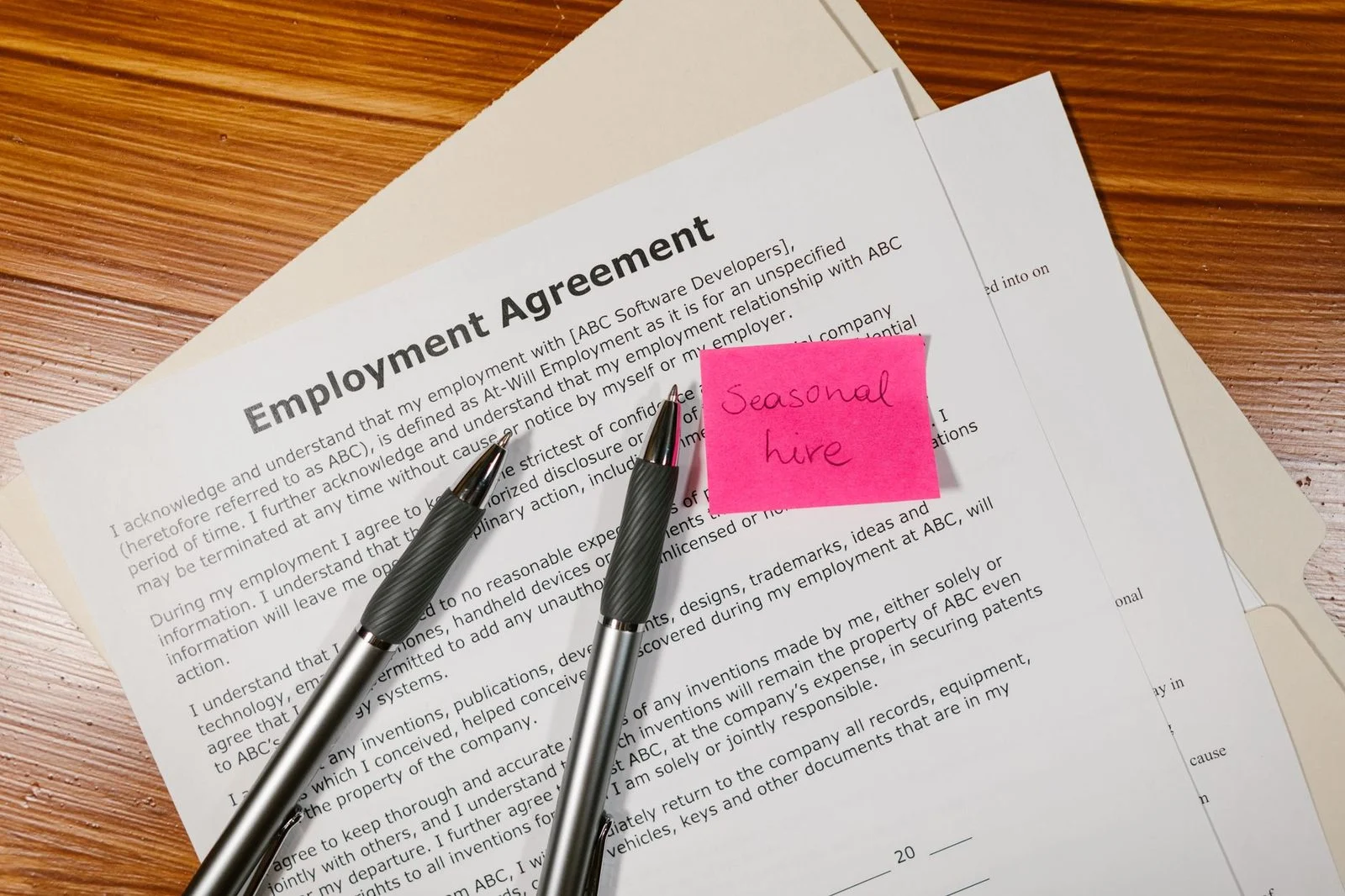
Which Employees the Increase Covers
The state minimum wage applies to employees who are entitled to the federal minimum wage under the Fair Labor Standards Act (FLSA). The Florida Minimum Wage Act, Fla. Stat. § 448.110 ties eligibility to that federal standard. So coverage depends on the FLSA rules, not only on a job title.
Review every hourly rate below $15.00, not just the lowest-paid roles. Once the floor moves, a role paid just above the old minimum may also need a look. Your payroll report is the fastest way to find these rates.
Employees paid a flat rate or a salary still need a classification review under federal and state rules. These questions depend on the facts of each role. Raise them with counsel before you change pay.
Payroll and Pay Rate Changes to Make Before September 30, 2026
Update every affected base rate in payroll before September 30, 2026. Make sure the new rate applies on the effective date, not a payday later. Check that timekeeping and overtime reports pull the new rate.
Review your pay bands next. Raising the floor can shrink the gap between new hires and experienced workers. Florida’s sex-based wage rule, Fla. Stat. § 448.07, bars paying one sex a lower rate than the other for equal work on jobs requiring equal skill, effort, and responsibility under similar working conditions, subject to listed exceptions, and it is not applicable to any employer, labor organization or member thereof, or employee whose employer is subject to the federal Fair Labor Standards Act of 1938, as amended. It allows exceptions for seniority, merit, production, and a reasonable, good-faith factor other than sex. Document the reason for each pay difference.
Write down the rate change date for each affected employee. Then test a payroll run before the new rate starts. Compare the test output with the rates you expect.
If you rewrite a pay policy in your handbook, know its legal weight. Florida courts have held that manual policy statements don’t create enforceable contract rights unless the manual says it is a separate employment contract, as stated in Quaker Oats Co. v. Jewell.
Tipped Employees and the Cash Wage Under the Florida Rule
Florida lets employers count tips toward the minimum wage for tipped employees who meet the FLSA tip credit rules. The Florida Constitution, art. X, § 24 states this limit.
Track the cash wage and the tip credit separately in payroll. Each pay period should show the cash rate paid and the tip credit applied. Keeping them apart makes the numbers easy to check.
Tip pooling has its own requirements. Confirm how the rules apply to your operation before the new rate starts. Tip questions often turn on how your staff share tips, so check those practices now.
Pay Stubs, Notices, and Recordkeeping
Keep records that show the hourly rate, hours worked, and any tip credit for each pay period. Clear records help you show what you paid if a wage question comes up later.
Each employer who must pay the Florida minimum wage must post a poster. The poster must be prominently displayed in a conspicuous, accessible place where those employees work.
The Department of Commerce makes the poster available in English and Spanish each year by December 1. The poster says the rate is recalculated each September 30.
Keep copies of rate change notices, updated payroll settings, and signed employee acknowledgments. Store them with your payroll files. These records support your position if a pay question arises.
What Happens if an Employer Pays Below the Minimum
A winning employee recovers the back wages withheld. The employee also recovers the same amount as liquidated damages, and a prevailing employee is awarded reasonable attorney’s fees and costs. The good-faith defense applies only to liquidated damages: if the employer proves by a preponderance of the evidence that its act or omission was in good faith and that it had reasonable grounds for believing it was not a violation, the court may, in its sound discretion, award no liquidated damages or any amount not to exceed the unpaid minimum wages.
Section 448.110(8) of the Florida Statutes refers to the limitations period in § 95.11 for these claims.
Before suing for unpaid minimum wages, the employee must give the employer written notice. The notice must state the minimum wage claimed, the work dates and hours, and the total unpaid amount. The employer then has 15 calendar days after receiving it to pay or resolve the claim, according to Fla. Stat. § 448.110. The 15-day window is a chance to correct a pay error early.
A payroll error can still lead to a claim even if no one meant to underpay. The basic back-wage claim turns on the underpayment itself.
Not sure what your next step is?
Talk it through with our team — the first consultation is free, confidential, and carries no obligation.
A Step-by-Step Checklist for Employers
Work through these steps in order before your first payroll at the new rate.
- Audit every hourly rate now and list any rate below $15.00.
- Decide on pay changes for employees below the new floor.
- Update base rates in payroll software and test a sample payroll run.
- Review tipped cash wages and track the tip credit separately.
- Update your pay bands and document the reason for each pay difference.
- Update the poster, rate change notices, and employee acknowledgments.
- Verify the first payroll that uses the new rate against your test results.
Quick Answers
What is Florida’s minimum wage on September 30, 2026?
It rises to $15.00 per hour under the Florida Constitution. Under Fla. Stat. § 448.110, the Department of Commerce adjusts the rate for inflation each year, beginning September 30, 2005 and annually on September 30 thereafter.
Does the increase apply to tipped employees?
Tipped employees who meet FLSA tip credit rules can have tips count toward the minimum wage, within the limits those rules set.

Talk Through Your Payroll Plan With KEW Legal
If you own a business with hourly staff near the current floor, you may be deciding now how to adjust pay, tipped wages, and pay bands before September 30, 2026. Those choices affect your payroll, your records, and your legal exposure.
Reach KEW Legal by phone at 305-990-2300, or send us a message through our contact page. Our offices are in Coral Gables and Sunny Isles Beach. Our first consultation is free, confidential, and comes with no obligation to continue. In Spanish: consulta inicial gratuita, confidencial y sin compromiso.
Kristina E. Wilson is the responsible lawyer for this page. Our lawyers, including Natalie Martinez, handle employment law matters for employers.
Where Employers Should Focus Now
Review every pay rate
Compare current wages against the upcoming minimum so no position falls below the required rate when the change takes effect.
Plan for pay compression
Raising the lowest wages can narrow the gap with supervisors and experienced staff. Plan adjustments so the pay structure stays fair and workable.
Check tipped-employee pay
Tipped roles raise separate questions about how wages and tips are counted. Review those arrangements carefully before changing them.
Update payroll and timekeeping
Confirm that payroll software, timekeeping systems, and job codes reflect the new rates accurately.
Communicate changes clearly
Give employees written notice of pay changes and explain how their pay is calculated, which helps prevent disputes.
Don't Wait Until the Last Minute
Minimum wage changes often expose gaps in pay policies, job classifications, and recordkeeping. Reviewing them early gives your business time to adjust thoughtfully instead of reacting under pressure.
A Practical Path for Employers
1. Audit
Map every position, pay rate, and classification across your business, including part-time, seasonal, and tipped roles.
2. Adjust
Decide how to update wages, and whether pay structures need revision to keep the workforce balanced.
3. Document
Keep written records of the review, the decisions made, and the changes communicated to staff.
4. Monitor
Check payroll regularly after the change, and update policies as Florida's wage schedule continues to evolve.
Get Ready With KEW Legal. Start With a Free, Confidential Consultation, With No Obligation to Continue.
Related practice areas
Request a Consultation
Fill out the short form and we will take it from there.