

Employment Law for Employers | Coral Gables and Sunny Isles Beach
Monitoring Employee Email? Get Clear Answers Before You Act
KEW Legal advises business owners across Miami-Dade and South Florida on workplace policies, employee communications and employment issues. Kristina E. Wilson is responsible for this page.
By Kristina E. Wilson · Published November 1, 2026
In most cases, a private employer in Florida can review email on its own company systems when employees have clear written notice and the rules apply the same way to everyone. Those two steps are the practical foundation. The limits around them decide whether a review stays on safe ground. This guide covers the questions owners and managers ask most, from notice language to departing employees’ mailboxes. It is written for private businesses in Miami-Dade, Broward, and nearby counties. Kristina E. Wilson is the responsible attorney for this page, and our offices are in Coral Gables and Sunny Isles Beach.
Can an Employer Go Through Employees’ Emails in Florida?
It should also apply that policy consistently. Notice and consistency are the two things that matter most in daily practice.
Company accounts and personal accounts are different. Using a password an employee left behind is a common and serious mistake.
Think about why you are reviewing. If you read one employee’s messages for a problem, you should be able to show you would review others the same way. A review that targets one person for a personal reason creates risk, even when the company owns the system.
This guide is written for private employers and the owners and managers who run them.
Planning to read a departing employee's company mailbox or roll out new monitoring tools? Talk with our team about your situation before you take the next step. Talk it through with our team — the first consultation is free, confidential, and carries no obligation.

What Florida Laws Frame Email Monitoring?
Florida law does not give one simple answer. Several rules shape the decision, and two of the most important are about electronic signatures and retaliation.
Start with signatures. Fla. Stat. § 668.004 says that, unless another law provides otherwise, an electronic signature has the same force and effect as a written signature. Under that rule, an electronic signature may be used to sign a writing, so an employee’s acknowledgment of a monitoring policy may be signed electronically, such as by clicking to accept it in your HR system.
Next is retaliation. Fla. Stat. § 448.102 bars an employer from taking retaliatory action against an employee who objects to, or refuses to take part in, a practice that breaks a law, rule, or regulation. Under Fla. Stat. § 448.102, the protection for an employee who disclosed, or threatened to disclose, a violation to an appropriate governmental agency, under oath, in writing, does not apply unless the employee has, in writing, brought the activity, policy, or practice to the attention of a supervisor or the employer and has afforded the employer a reasonable opportunity to correct the activity, policy, or practice. This condition applies only to that disclosure provision, not to the protection for objecting or refusing to take part. Fla. Stat. § 448.102 reads: “However, this subsection does not apply unless the employee has, in writing, brought the activity, policy, or practice to the attention of a supervisor or the employer and has afforded the employer a reasonable opportunity to correct the activity, policy, or practice.”
The tools you choose for monitoring matter, so review them before you install anything.
How Do You Write an Email Monitoring Notice?
A good notice tells employees which systems are watched, who may read their messages, and why. It should also explain how the company may use what it finds, including in discipline.
A strong notice covers four points. It names the systems and accounts that are monitored, such as company email, phones, and laptops. It says employees should not expect privacy in company email. It states who may review messages and for what business reasons. It explains how the company may use the results.
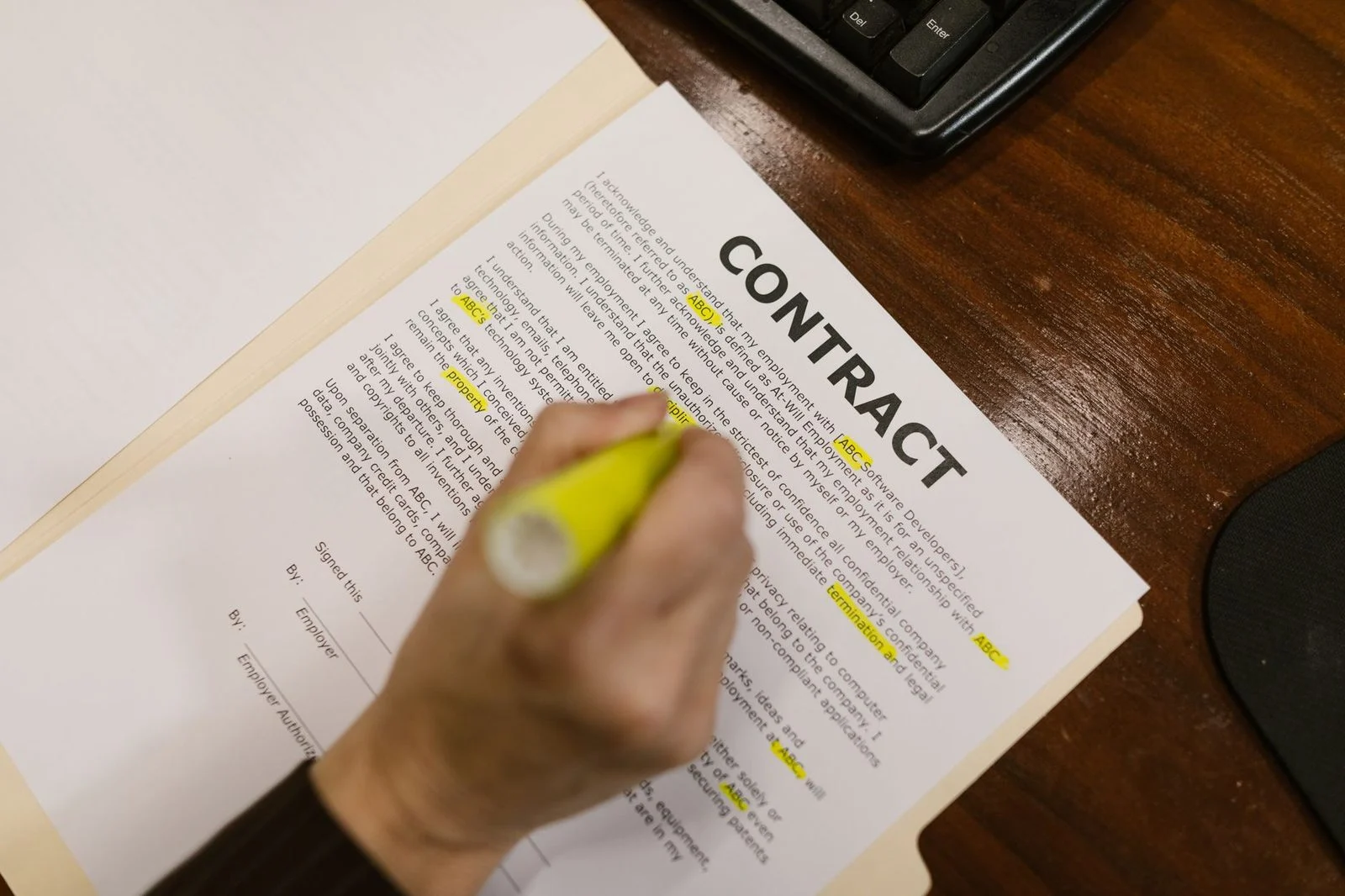
Give the notice before monitoring begins. Give it to new hires at onboarding too. Keep a signed or electronically acknowledged copy in each personnel file, because that record shows the employee received it.
Word choice matters. Florida courts have held that policy statements in an employee handbook do not create enforceable contract rights unless they contain specific language showing the parties agreed the manual is a separate employment contract. It is well established Florida law that policy statements contained in employment manuals do not give rise to enforceable contract rights in Florida unless they contain specific language which expresses the parties’ explicit mutual agreement that the manual constitutes a separate employment contract, as stated in Quaker Oats Co. v. Jewell. Have counsel review whether your handbook says more than you intend.
Update the notice when you change email platforms, add monitoring software, or change who reviews messages. An old notice that describes a different system leaves gaps.
What Limits Apply to Reading Employee Email?
Company email is the most straightforward ground. Personal accounts and privileged messages are where problems usually start.
Personal accounts need separate thought. Reading an employee’s personal email, cloud files, or social media is a different question from reviewing company email. Never use login details an employee shared with a coworker or left on a company computer.
Privileged messages need extra care. Fla. Stat. § 90.502 protects confidential communications made in the rendition of legal services to a client. The privilege belongs to the client and may be claimed by the client, a guardian or conservator of the client, the personal representative of a deceased client, a successor or similar representative of an organization or other entity, or the lawyer, but only on behalf of the client. If an employee emailed a personal lawyer through a company account, that message may still be protected. Whether it stays confidential depends on whether it was meant to stay private. The statute also has exceptions, such as communications tied to a crime or fraud the client knew about. If you find such a message, stop reading and get advice first.
Scope creep is another trap. A notice about company email does not describe everything else on a work device. Keep each review tied to the business reason you gave in your notice.
What Should Happen to a Former Employee’s Mailbox?
Close access, keep business records, and plan any review in writing before anyone opens the mailbox. Those three steps keep the company organized and protect it later.
First, decide who will handle client and vendor messages now. Second, close logins, phones, and shared accounts the employee could reach. Third, identify which business records must be kept.
If a dispute with that employee, a partner, or a vendor looks likely, keep relevant emails rather than deleting them. Many lawyers call this a litigation hold, a written instruction to preserve records.
Write down who will read the mailbox, why, and what happens to the results. How you review it can be examined later if a dispute arises. Handle final pay and paid time off in the same plan, because separation steps connect.
What Mistakes Do Florida Employers Make With Email Monitoring?
The most common errors are missing notice, uneven enforcement, discipline tied to complaints, and new tools without an update. Each one can turn a routine review into a dispute.
- No written notice. Monitoring without a written policy may leave little to point to later.
- Uneven enforcement. Disciplining one employee for an email habit that others also show invites a claim of unfair treatment.
- Punishing complaints. If an employee objects to, or refuses to participate in, an employer’s activity, policy, or practice that violates a law, rule, or regulation, discipline for that objection or refusal can violate Fla. Stat. § 448.102.
- Firing for prohibited reasons. Under Laguerre v. Palm Beach Newspapers, Inc., an at-will employee may be discharged at any time, as long as she is not terminated for a reason prohibited by law, such as retaliation or unlawful discrimination.
- New tools, old notice. Adding monitoring software without updating the notice or telling staff creates a gap.
Not sure what your next step is?
Talk it through with our team — the first consultation is free, confidential, and carries no obligation.
When Should You Ask a Lawyer to Review Your Monitoring Plan?
Ask a lawyer before you install new tools, investigate a named employee, or open a mailbox tied to a dispute. Early review costs less than fixing a problem after a claim arrives.
Talk with counsel in these cases:
- Before installing new monitoring software or changing who reads employee messages.
- Before investigating a named employee who could face discipline or termination.
- When a review may touch a partner, vendor, or ownership dispute that could go to court.
- When a former employee has filed a complaint or claim that involves company email records.
Ongoing policy review is part of outside general counsel work for businesses. That work keeps the notice, the handbook, and daily practice aligned as your company changes.
How Do You Talk With KEW Legal About Email Monitoring?
If you are about to review a departing employee’s mailbox, or you plan new monitoring and aren’t sure what notice to give, talk with us before you act. Call 305-990-2300 or send us a message. Our initial consultation is free, confidential, and carries no obligation to continue. Kristina E. Wilson is the responsible attorney for this page. Our offices are in Coral Gables and Sunny Isles Beach.
Frequently asked questions
Employer review of employee email in Florida
Does an employer have to tell employees about email monitoring?
Written notice before monitoring begins is the safest practice and helps document that employees were informed.
Personal email accounts on company laptops
Get advice before reviewing any personal account.
Is an email to a personal lawyer private?
It may be protected by Florida’s lawyer-client privilege. Stop reading and get advice before going further.
Is a handbook policy a binding contract?
Usually not, unless the handbook says explicitly that it is a separate employment contract.
Can an electronic acknowledgment count as a signature?
Under Florida’s electronic signature statute, an electronic signature has the same force as a written one unless another law says otherwise.
How We Help Employers Think Through Email Monitoring
Policy Review
We review your written technology, email and acceptable-use policies to see whether they match how your business actually operates.
Risk Assessment
We identify where monitoring could create exposure, including privacy concerns and communications that may be privileged.
Employee Communication
We help you plan how and when to inform your workforce about monitoring so expectations are documented and clear.
Ongoing Counsel
As outside general counsel, we advise on employee issues as they arise, from routine questions to disputes that need a response.
Do Not Assume Monitoring Is Safe Because It Is Common
Many employers read employee email without a clear written policy or a review of the facts. Before you access an employee's messages, especially personal accounts or messages with a lawyer, speak with counsel about your options.
Common Questions Employers Bring to Us
Do we need to tell employees?
Clear written notice is often the most practical way to set expectations and document that employees were informed.
Can we review a former employee's inbox?
Access to old accounts raises separate questions. Contact us before you open or share any messages.
What if an employee emails a personal lawyer from work?
Messages that may be privileged require careful handling. Stop reading and get advice before going further.
Can monitoring help with a dispute?
Whether and how information is used in a claim depends on the facts and the policies in place. We can review your situation.
Talk with KEW Legal About Your Workplace Email Policy. Your Free First Consultation Is Confidential and Has No Obligation to Continue.
Related practice areas
Request a Consultation
Fill out the short form and we will take it from there.