
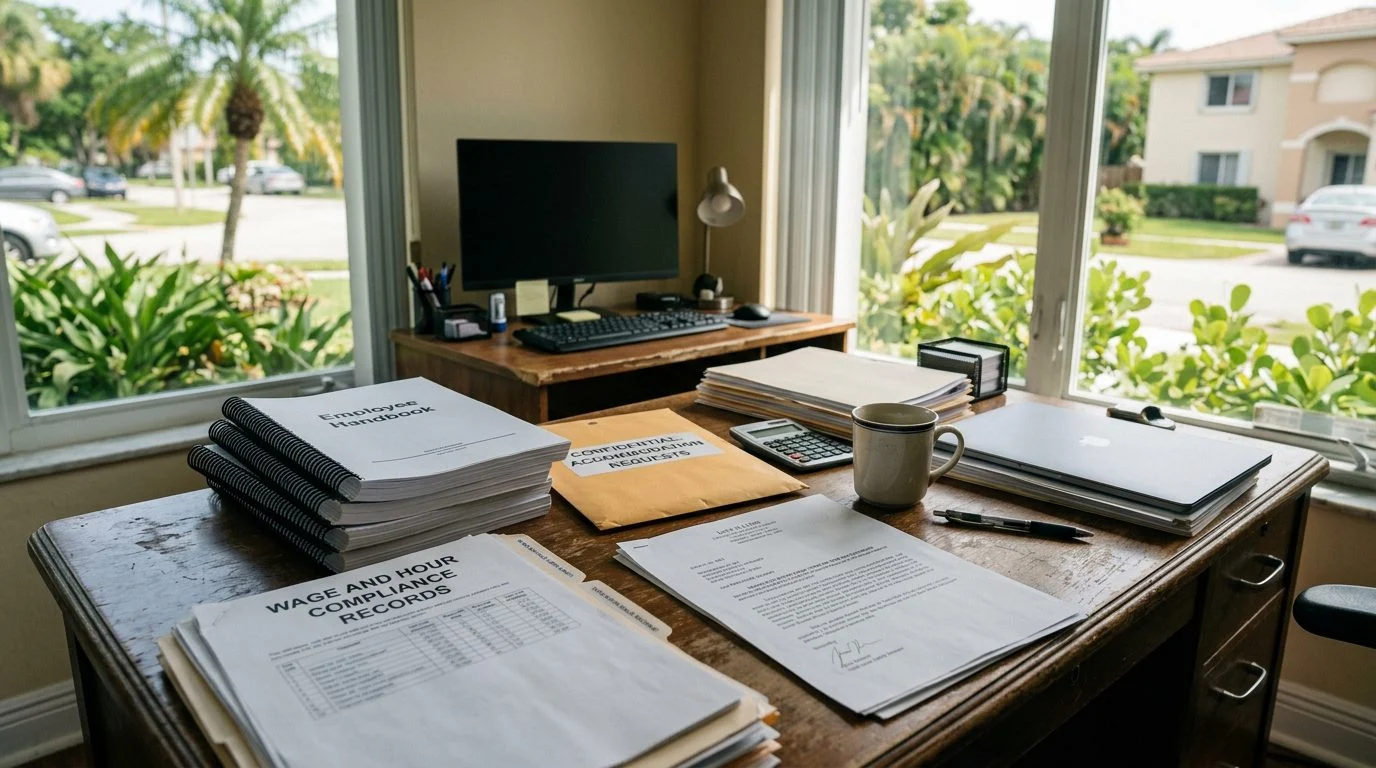
Employment Law for Employers | Coral Gables and Sunny Isles Beach
Received an Unpaid Wage Demand Letter? Respond With a Plan, Not a Reflex.
A written demand from a former or current worker can feel urgent. The steps you take in the first days can shape how the matter develops.
KEW Legal at a Glance
Free
First consultation, confidential, with no obligation to continue
2
Offices in Coral Gables and Sunny Isles Beach
By Kristina E. Wilson · Published November 14, 2026
A letter from a current or former worker saying you still owe them pay can arrive with a dollar figure and a short deadline. An employee demand letter for unpaid wages is a written claim. Treat it as serious, and check it against your records before you reply on the merits or pay anything.
What an Employee Unpaid Wage Demand Letter Means for Your Business
An employee demand letter is a written claim that pay is owed. It usually comes from a current or former employee, or from a lawyer for that person, and often lists an amount and a response date.
A demand letter is not yet a lawsuit. It does put the claim in writing, and it can lead to a court case or a complaint to a government agency.
Some wage claims in Florida start with a formal written notice that sets its own short clock. That is covered below.
This page is for employers, owners, and managers in Miami-Dade and Broward County who have received a letter or expect one. An early, documented review shows which parts of the claim your records support.
Not sure what your next step is?
Talk it through with our team — the first consultation is free, confidential, and carries no obligation.
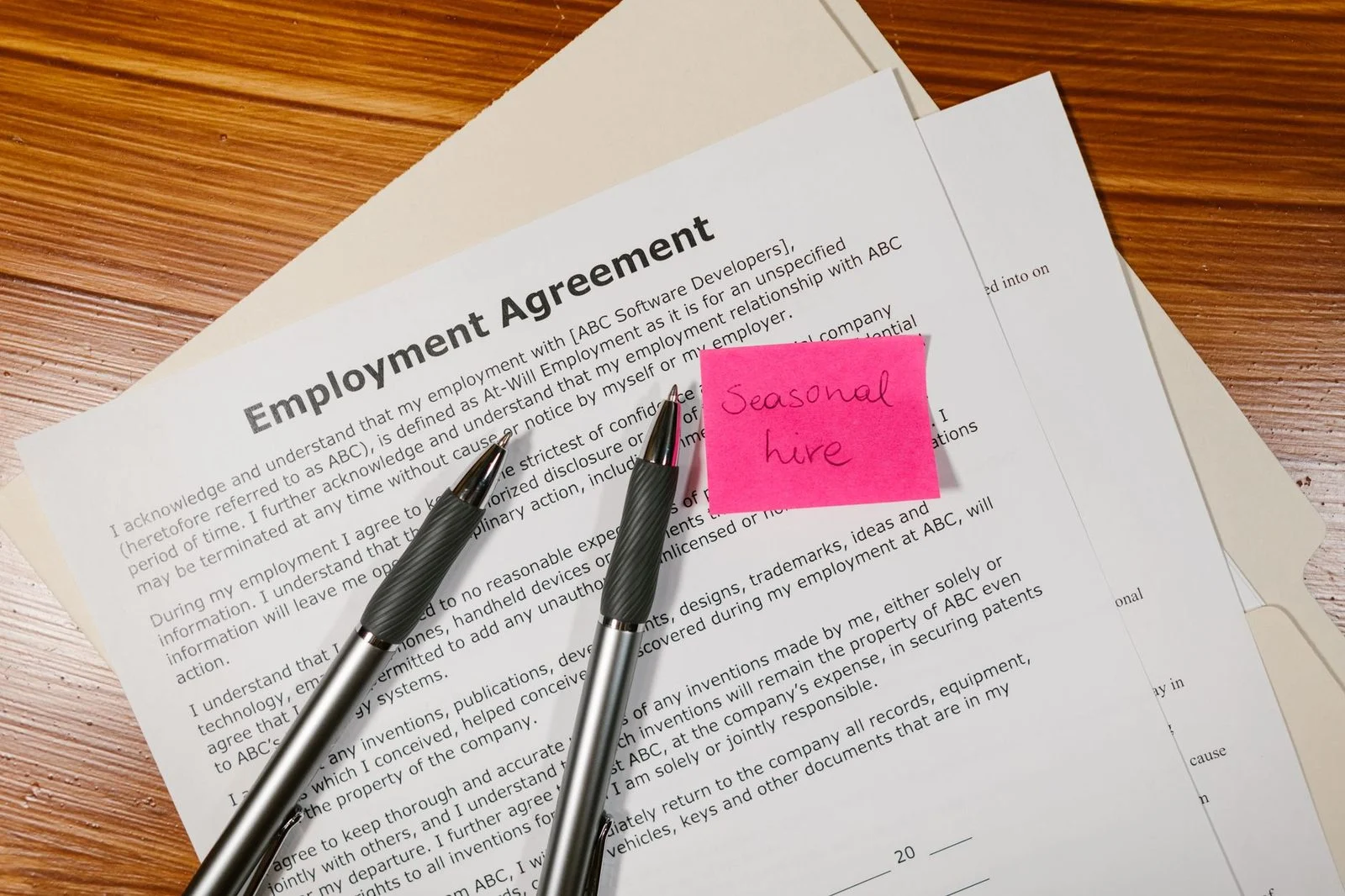
What Counts as Unpaid Wages in Florida
Unpaid wages can cover more than a missing paycheck. The answer turns on what the worker is owed under the agreement, your policies, and the law.
- Base pay for hours worked. Claims often include time the worker says was required before or after a shift and never recorded.
- Minimum wage. Florida’s minimum wage comes from Article X, Section 24 of the Florida Constitution. It is also covered by the Florida Minimum Wage Act.
- Overtime. Overtime questions depend on the facts of each job, so a lawyer can review how your workers’ duties and pay are structured.
- Commissions, bonuses, and tips. Whether commissions, bonuses and tips are owed, and when they must be paid, generally depends on the written plan and on the governing law and facts of your situation.
- Final pay and reimbursements. Check the agreement, policy, and statute that govern each item.
A court may award the prevailing party in an unpaid wage action its court costs and a reasonable attorney’s fee under § 448.08.
Reading the Demand Letter Before You Respond
Read the letter for three things first: the deadline, the amount claimed, and the pay periods named.
- Identify the sender. Is it the worker or a lawyer for them? Who sends it changes how you may communicate.
- Check for a minimum wage notice. Under § 448.110, a worker must notify you in writing before suing for unpaid minimum wages. The notice must name the minimum wage claimed, the work dates and hours, and the total owed. You then have 15 calendar days after receipt to pay or otherwise resolve the claim.
- Pull the records. Gather time records, payroll registers, pay stubs, signed agreements, commission plans, and written policies.
- Preserve everything. Keep emails, texts, and messages with the worker. Pause routine deletion of relevant records.
- Confirm required postings. Employers who must pay the Florida minimum wage must prominently display the state minimum wage poster.
Do not send a substantive reply or make a payment until the records have been checked against the claim.
How the Response Process Works
A response usually moves from a consultation to a records review, then to a chosen response path. Each step narrows the dispute.
- Consultation. You share the letter and the records you have. The first consultation is free, confidential, and carries no obligation to continue.
- Records review. A written assessment shows what the records support, what they dispute, and what still needs information.
- Choose the response. That may be a written reply disputing specific figures, a proposed resolution, or settlement talks. Florida evidence law generally keeps settlement offers out of court to prove liability or the value of a disputed claim, under § 90.408.
- Negotiate. When the worker has a lawyer, communications go through counsel.
- Court, if needed. If a suit is filed, the court and the claim set the timeline.
The schedule follows the size of the claim and how complete your records are.
Mistakes Employers Make When a Wage Claim Arrives
Several common moves make a wage claim harder to resolve.
- Retaliation. The Florida Minimum Wage Act makes it unlawful to retaliate against a person for exercising minimum wage rights. Firing, demoting, cutting hours, or threatening a worker after a demand can create a second claim.
- Partial, informal payments. Paying part of a claim without a written resolution can leave the rest open.
- Editing records. Changing timesheets or pay records after a demand arrives creates a credibility problem.
- Waiting out the deadline. Hoping the worker drops the claim leaves the clock running with no plan.
Florida’s whistle-blower law has its own limits.
Why Employers Work With KEW Legal on Pay Disputes
KEW Legal focuses on business law for owners and investors in Miami-Dade and South Florida, including employment law for employers. The firm has offices in Coral Gables and Sunny Isles Beach.
Kristina E. Wilson is the responsible lawyer for this page. Natalie Martinez is also one of the firm’s lawyers. The firm’s lawyers handle employment matters for employers alongside a company’s other legal needs.
The firm’s practice also covers outside general counsel, partnership disputes, vendor and contract disputes, commercial leases, and business succession. A wage dispute can connect to those issues, so it can be reviewed alongside them.
Some matters may need to go to another lawyer or firm. If yours does, that would be disclosed to you.
Not sure what your next step is?
Talk it through with our team — the first consultation is free, confidential, and carries no obligation.
Frequently Asked Questions About Wage Demand Letters
Short answers to common questions after a wage demand arrives.
Does a demand letter mean a lawsuit is coming?
Not always. It puts a claim in writing, and whether a suit follows depends on the facts and on how the claim is answered.
Can I fire the worker who sent the letter?
Not without review. Florida’s anti-retaliation rules apply, so any job action should be checked first.
Do I have to pay the full amount demanded?
Not automatically. The records, the agreement, and the law decide what is owed, and that review comes first.
How long do I have to respond?
Follow the letter’s deadline. A minimum wage notice under § 448.110 gives you, as the employer, 15 calendar days after receipt to pay the total amount of unpaid wages or otherwise resolve the claim to the satisfaction of the person aggrieved; this window applies only to notices for unpaid minimum wages.

Talk Through Your Letter With Counsel Before the Deadline
If a wage demand letter is in front of you now, the deadline is the part you can’t afford to miss. You may not yet know whether the figure is right or whether your records back it up. You don’t have to sort that out by yourself.
Call 305-990-2300, schedule a consultation, or send a message to KEW Legal. The sooner the letter is reviewed, the more time there is to gather records before the deadline.
How KEW Legal Supports Miami-Area Employers
Review of the Demand
We read the letter against your payroll records, timekeeping data, and employment agreements to understand what is being claimed.
Protection Against Retaliation Claims
We check any proposed discipline or termination before it happens, so a routine personnel decision does not become a second problem.
Outside General Counsel
Our attorneys work as an ongoing legal resource for business owners across Miami-Dade and Broward counties, not only when a dispute arrives.
Organized Response
We help you decide what to preserve, who should communicate with the worker, and what a written reply should and should not say.
Key Warning: Pause Before You Act
Do not fire, discipline, reassign, or pressure the worker who sent the letter until the claim has been reviewed. Send the letter to your attorney first.
Common Missteps to Avoid
Replying Without Review
A quick written response can concede facts or create admissions that are hard to undo later.
Acting on Emotion
Terminating or changing the worker's duties right after a demand can be viewed as retaliation, so check every job action first.
Ignoring the Letter
Silence can leave the matter unresolved and increase uncertainty. A measured, reviewed response is usually the better path.
Changing the Records
Editing timesheets or payroll entries after receiving a claim can damage your position. Preserve what exists as it is.
Kristina E. Wilson and our team at KEW Legal in Coral Gables and Sunny Isles Beach are ready to review your letter. The first consultation is free, confidential, and carries no obligation to continue.
Related practice areas
Request a Consultation
Fill out the short form and we will take it from there.