

Employment Law for Employers | Miami-Dade
Handle Employee Disputes Before They Become Costly Problems
Kristina E. Wilson, based in Coral Gables, works with business owners across Miami-Dade and South Florida on employee complaints, workplace disputes, and the decisions that follow them. Our team supports you with clear steps and careful documentation.
Serving South Florida Employers
Free
Confidential first consultation with no obligation to continue
2
Offices in Coral Gables and Sunny Isles Beach
Miami-Dade
Employers across the county and Broward County
By Kristina E. Wilson · Published October 20, 2026
When an employee files a complaint, sends a demand letter or receives an agency notice, the employer’s first moves matter most. Preserve records, avoid any action that could look like retaliation, and send all contact through one responsible person. This guide on employee disputes for Florida employers in Miami-Dade covers the common claims, the rules behind them and your options. It is general information, and each situation turns on its own facts.
What Happens Now: The First Steps After an Employee Complaint
The first steps are to preserve records, avoid retaliation and route all communication through one person. Those three moves protect the employer while the facts are still being gathered.
A written complaint, a demand letter, an agency charge and a lawsuit are different events. Each one can start different response deadlines. Treat a verbal complaint seriously too. Write down what was said, when, and who heard it, while memories are fresh.
Next, decide who owns the matter. This is usually one manager with authority and a clear view of the facts. A supervisor named in the complaint should not handle the response alone.
Avoid changing the complaining employee’s pay, schedule, duties or job status until the reason is reviewed and documented. A change made soon after a complaint draws close attention.
If an employee has just filed a wage complaint, a harassment report or an agency notice, you don't have to work out the next step alone. Reach out to our team. Talk it through with our team — the first consultation is free, confidential, and carries no obligation.
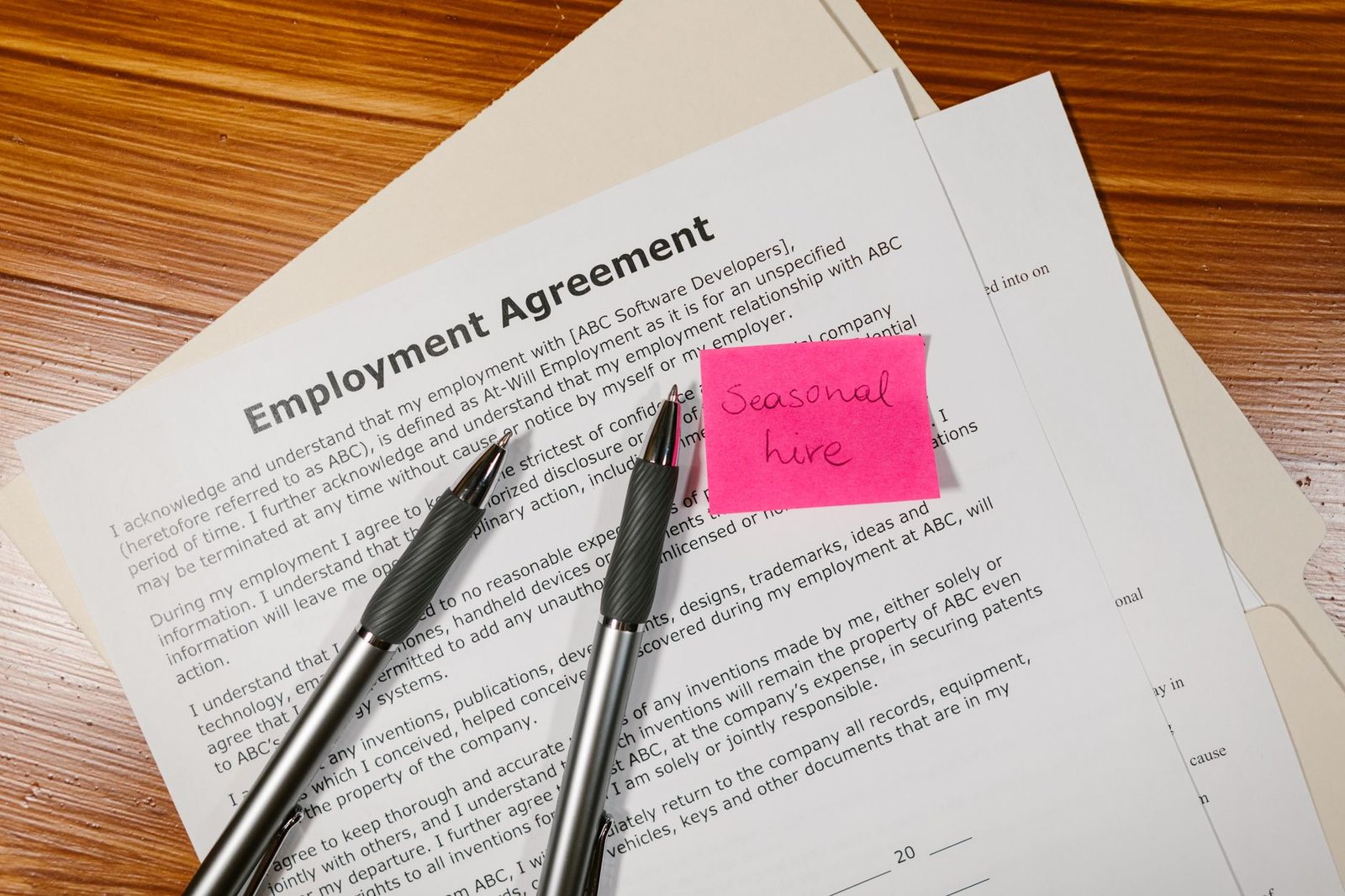
Common Employee Disputes Employers Face in Miami-Dade
The most common employee disputes involve unpaid wages and overtime, harassment and discrimination, retaliation, terminations and restrictive covenants such as non-compete agreements. Misconduct can also become a legal problem when the employer’s response is uneven.
One incident can produce several claims at once. A supervisor’s offensive remark might support a harassment complaint. If the employee then complains and loses hours, that adds a retaliation issue. If the employee’s pay was cut, a wage claim may follow.
Federal law and Florida law can apply to the same facts. Federal wage rules, Florida’s minimum wage law, the Florida Civil Rights Act and federal civil rights law each have their own deadlines and remedies. A single incident needs a single, coordinated review.
Miami-Dade and Broward employers often have a mix of salaried managers, hourly staff and contractors. Each group raises different questions, so job classification matters from the start.
This guide takes each category in turn. Wage issues come first, then discrimination and harassment, then retaliation and separations. Options and prevention come last.
Wage and Hour Claims: Unpaid Wages and Overtime
Wage claims ask whether the employer paid every hour and dollar the law requires. Florida’s minimum wage provision takes its definitions of employer, employee and wage from the federal Fair Labor Standards Act, as stated in Florida Constitution, Article X, Section 24.
Common sources of claims include:
- Workers classified as exempt who do not meet the duties and pay tests for that status
- Off-the-clock work, such as early log-ins or tasks done after clocking out
- Rounding or meal break practices that consistently favor the employer
- Final paycheck hours that were never paid
Recordkeeping matters. 29 C.F.R. § 516.5 requires employers to keep payroll records for at least 3 years from the last date of entry.
If a worker wins, the state constitution provides the full back wages plus the same amount as liquidated damages. Liquidated damages are an equal extra payment on top of back pay. The worker also gets reasonable attorney’s fees and costs. If the employer proves good faith and reasonable grounds, a court may reduce or remove liquidated damages.
Time limits differ. The state constitution sets four years, or five years for willful violations. Federal law under 29 U.S.C. § 255 sets two years, or three years for willful violations. For a Spanish-language page on overtime claims for Miami employers, see overtime claims for Miami employers (Spanish).
Harassment and Discrimination Complaints
Discrimination claims ask whether an employee was treated worse because of a protected trait. Florida law makes it unlawful for an employer to discharge or fail to hire, or otherwise discriminate against, any individual with respect to compensation, terms, conditions, or privileges of employment because of race, color, religion, sex, pregnancy, national origin, age, handicap or marital status, unless the trait is a bona fide occupational qualification reasonably necessary for the performance of the particular employment, as stated in Florida Statutes § 760.10.
The Florida Civil Rights Act defines an employer as a person with 15 or more employees for each working day in 20 or more calendar weeks in the current or preceding calendar year. See Florida Statutes § 760.02.
Harassment complaints turn on the facts, and the employer’s response matters. A prompt, documented response shows the employer took the report seriously. That means a timely review, notes of what was learned, a clear decision and follow-up.
Two clocks run in these cases. The employee’s clock is the filing deadline for a complaint. The employer’s task is a timely, documented response to every notice. Florida law also requires employers to post a notice provided by the Florida Commission on Human Relations in conspicuous places. For a Spanish-language page on harassment complaints in Miami, see harassment complaints for Miami employers (Spanish).
Retaliation Claims and Why They Escalate
Retaliation means taking an adverse action against someone for doing something the law protects. Federal law makes it unlawful for an employer to discriminate against an employee because the employee opposed a discriminatory practice or took part in a charge, investigation or hearing. See 42 U.S.C. § 2000e-3.
Florida’s discrimination statute has the same rule for opposing a practice or taking part in a proceeding. See Florida Statutes § 760.10. The state minimum wage provision also protects workers who complain about pay or tell others about their rights under Article X, Section 24.
A retaliation claim is separate from the original complaint. Timing draws attention. A negative decision that comes soon after a complaint will be examined closely.
Document the reason for any employment decision before you communicate it. Ask one question: would this decision have been made if no complaint had been filed? Apply the same standards you use for any other employee. If you have performance concerns from before the complaint, keep those records.
Protect the Evidence Before You Respond
Act early, once a claim seems likely. Collect and hold anything that could relate to the dispute. This includes emails, text messages, timekeeping data, schedules, personnel files, performance reviews, pay records and written policies.
Turn off automatic deletion for email and messaging systems tied to the dispute. Collect business messages that supervisors sent from personal phones. Keep the original files, not just printouts.
Do not edit, annotate or backdate existing records. A note added later to an old file can look like an attempt to change the story. That can hurt the employer’s credibility more than the original issue. If a record is incomplete, write a new, dated note that says so and explains what you did.
Not sure what your next step is?
Talk it through with our team — the first consultation is free, confidential, and carries no obligation.
Agency Charges, Investigations and Lawsuits
An agency charge is a formal complaint filed with a government agency. The employer’s written response is often the first major step. The main agencies are the U.S. Equal Employment Opportunity Commission, the Florida Commission on Human Relations and the U.S. Department of Labor Wage and Hour Division.
See Florida Statutes § 760.11.
Under Florida law, a civil action must be started no later than 1 year after the commission’s reasonable-cause determination or an EEOC Notice of Right to Sue, whichever is earlier. If neither happens within 180 days after the complaint is filed, the action may be started no later than 18 months after the complaint was filed. Fla. Stat. § 760.11 reads: “The commencement of such action shall divest the commission of jurisdiction of the complaint, except that the commission may intervene in the civil action as a matter of right.” Back pay liability does not accrue from more than two years before the charge is filed. See 42 U.S.C. § 2000e-5.
A typical path moves from investigation to possible mediation or settlement talks. If the matter is not resolved, it can become a lawsuit. Matters end at different stages, depending on the claim, the agency and each side’s position.
Do not contact the employee or the agency about the charge until you review the notice. Speaking without a plan can create new problems. Calendar every date on the notice the day it arrives.
Separations, Final Pay and Restrictive Covenants
A termination creates exposure when the reason is unclear, undocumented or applied unevenly. Write down the reason, the policy it relates to and who made the decision. Apply that policy the same way to comparable employees.
Final pay follows the wage rules and the employer’s written policy. Pay what is owed for all hours worked. Check for unpaid overtime before the final check goes out.
Restrictive covenants include non-compete agreements, non-solicitation agreements and confidentiality agreements. Florida law allows contracts that restrict competition when they are reasonable in time, area and line of business and supported by a legitimate business interest. Florida law does not prohibit enforcing restrictive covenants that are reasonable in time, area, and line of business, as provided in § 542.335, Florida Statutes. Fla. Stat. § 542.335 reads: “In any action concerning enforcement of a restrictive covenant: (a) A court shall not enforce a restrictive covenant unless it is set forth in a writing signed by the person against whom enforcement is sought.” See Florida Statutes § 542.335.
Under that statute, a court will not enforce a restrictive covenant unless it is in a writing signed by the person against whom enforcement is sought. Courts construe a restrictive covenant in favor of providing reasonable protection to all legitimate business interests established by the person seeking enforcement, and do not construe it narrowly, against the restraint, or against the drafter.
Whether a covenant can be enforced turns on the facts and the written terms. A vague, unsigned or overly broad covenant creates risk. Review it before you rely on it.
Choosing Your Options: Internal Response, Outside Counsel or Litigation
Employers usually choose among four paths: handle the matter internally, resolve it early, respond to an agency or defend a lawsuit. Each path has different costs, timelines and levels of control.
Internal handling can work for simple issues, such as a clear policy error that you can fix and document. Early resolution can end a dispute before an agency or court gets involved. An agency response requires careful, accurate writing and strict attention to deadlines. Defending a lawsuit is the most formal path and needs the most preparation.
Outside general counsel is an ongoing role. The lawyer reviews policies, advises supervisors and handles new issues as they come up. That continuity can help an employer spot problems before they become claims.
The right path depends on the claims, the facts and your goals.
Prevention: Handbooks, Policies, Training and Payroll Review
Written policies, consistent practice and clear records give an employer a useful early defense. Your handbook should cover harassment reporting routes, timekeeping rules, meal and rest breaks, leave and anti-retaliation rules. Make sure complaints do not have to go through the person accused.
Keep training records for supervisors. Document each investigation from start to finish. A file that shows what was reviewed, when and why is easier to defend than memory.
Review payroll classifications on a set schedule. Check whether each exempt role meets its duty and pay requirements. Check hourly workers for overtime, rounding and break practices. For an overview of this work, see the employment law attorney for employers page.
Local Coverage Across Miami-Dade and Broward
KEW Legal serves business owners in Miami-Dade County and Broward County. Our offices are in Coral Gables and Sunny Isles Beach. Kristina E. Wilson is the lawyer responsible for this page.
Business owners in Miami, Aventura, Doral, Brickell, Fort Lauderdale and across Broward County are part of the area we serve. Florida’s employment statutes apply statewide, so the core rules discussed here apply to a Broward employer and a Miami-Dade employer alike.
If an employee has just filed a wage complaint, a harassment report or an agency notice, you don't have to work out the next step alone. Reach out to our team. Talk it through with our team — the first consultation is free, confidential, and carries no obligation.

Talk Through Your Employee Dispute with KEW Legal
If an employee has just filed a wage complaint, made a harassment report, accused you of retaliation or sent an agency notice, you face a decision now. That is the moment to talk through the facts with a lawyer.
We offer a free first consultation. It is confidential and comes with no obligation to continue. Call 305-990-2300 or send us a message through the contact page. Kristina E. Wilson is the responsible lawyer. KEW Legal has offices in Coral Gables and Sunny Isles Beach.
Frequently Asked Questions
What should an employer do first after an employee complaint?
Preserve the relevant records and avoid any action that could look like retaliation. Route all communication through one responsible person.
Does a Florida employer have to keep payroll records?
Yes. Federal rules require employers to keep payroll records for at least 3 years from the last date of entry.
How long does an employee have to sue for unpaid overtime?
Under federal law, the period is generally two years, or three years for a willful violation.
How We Support Employers
Employer-side focus
Our practice focuses on representing business owners and employers in employee matters.
Early response
Raising a concern early gives you more room to review the facts and choose a measured next step.
Organized records
We help you identify, preserve, and organize the documents that matter to the issue at hand.
One point of contact
Our team helps route communication through one responsible person so the record stays consistent.
Pause Before You Act
A decision made in the heat of the moment, such as an immediate termination or a written warning sent without review, can make a dispute harder to resolve. Speak with us before you respond to a formal complaint.
Employee Matters We Address for Employers
Employee complaints
We help you review a complaint, gather the relevant facts, and plan a response that protects your business.
Terminations and discipline
Before you act, we review the file, the timing, and the documentation behind the decision.
Workplace disputes
We assist with disagreements between employees, managers, and the business, aiming for resolutions that keep operations moving.
Policies and records
We help you set up clear workplace policies and keep payroll and personnel records organized for future reference.
Talk With Kristina E. Wilson Before Your Next Employee Decision
Related practice areas
Request a Consultation
Fill out the short form and we will take it from there.