

Business Contract & Vendor Disputes | Coral Gables and Sunny Isles Beach, FL
A Client Won't Pay? Start With the Contract and a Clear Written Demand
KEW Legal helps Florida business owners and investors review unpaid invoices, protect their records, and decide on the next step. Get a free first consultation.
By Kristina E. Wilson · Published October 18, 2026
What to do if a client refuses to pay an invoice? Start by checking what you agreed to and what the invoice says. Then keep your records, send a clear written demand, and watch the time limits, because Florida law sets deadlines for suing. This guide covers each step in plain terms. It is general information, not legal advice. Kristina E. Wilson is the responsible lawyer for this page. KEW Legal has offices in Coral Gables and Sunny Isles Beach, Florida.
Why a Client Refusing to Pay Is Usually a Contract Question
The answer depends on the contract’s terms and the facts of the dispute. When a client won’t pay, the real issue is often whether the work matched the agreement. Your invoice is a request for payment under that agreement. The client’s reason shapes every step that follows. Common reasons include a quality complaint, a dispute over scope, late delivery, or a claim that the client is owed money back. Each reason calls for a different response. You may have already paid for materials, labor, and your time, so the pressure is real. Start by seeing the dispute clearly before you send anything. If a co-owner or partner made the deal, note who signed and who approved the work. That affects who owes the money.
If a client's refusal to pay has left you carrying the cost of finished work, our team can talk through your contract and next steps in a free, confidential consultation. Talk it through with our team — the first consultation is free, confidential, and carries no obligation.

Step 1: Confirm the Invoice, Contract, and Payment Terms
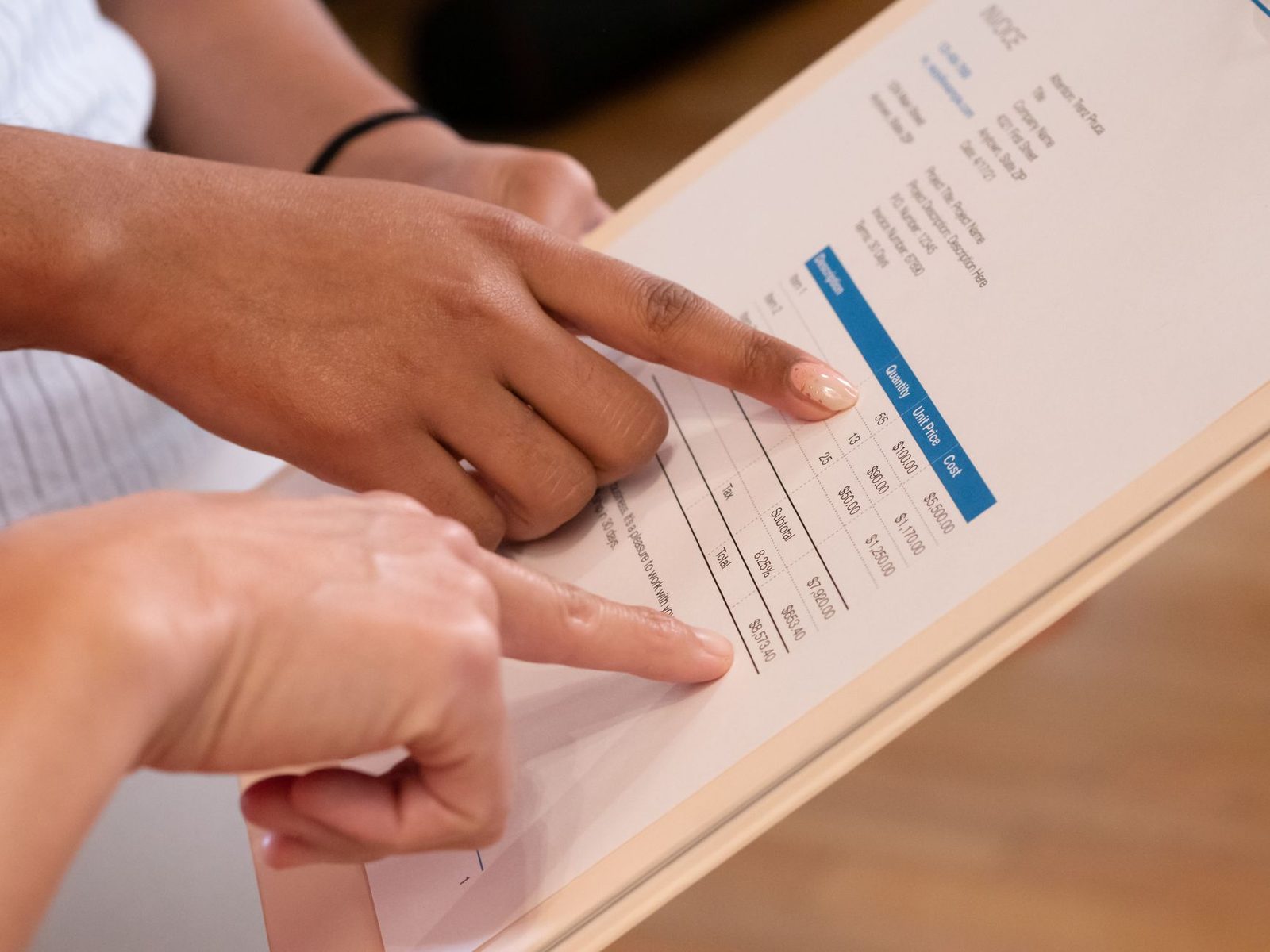
Start by finding out exactly what you agreed to and what the invoice says. Pull the signed agreement, any purchase order, and every email where the client approved the work or the price. Compare the invoice’s due date and payment terms against those documents. Then check the amount and each line item. Look for late fees or interest, and confirm they were agreed to in writing. Also confirm who the contracting party is. If a company hired you, the company is usually the party that owes payment. Some agreements add an owner’s personal promise to pay the company’s debt (a personal undertaking), so check for one. Fix any wrong name, date, or amount before you send a demand.
Step 2: Preserve the Evidence Before You Escalate
Gather and keep every record that shows the work, the agreement, and the payment history. That includes contracts, scopes of work, change orders, deliverables, delivery receipts, emails, texts, and notes from calls. Keep the originals as they are. Don’t edit, delete, or rewrite them, even if they look messy. Save everything in one dated folder. Add a note for each phone call with the date, the time, and what was said. A clear paper trail supports a demand letter, mediation, or a court filing. Start now, because texts and emails can disappear when phones change or accounts close.
Step 3: Send a Clear Written Payment Reminder and Demand
Send a written reminder first. If the client still doesn’t pay, send a formal demand with a deadline. A reminder names the invoice number, the amount, the due date, and the agreed terms. It also explains how to pay. A formal demand letter goes further. It states the amount owed and the basis for it. It sets a deadline to pay or respond, and it says what you’ll do next if that deadline passes. Keep the tone factual. Skip insults, guesses about the client’s motives, and threats you won’t carry out. Send the letter by email and by a method that creates a delivery record, such as certified mail. Keep a copy of everything you send.
How to Deal With Clients Who Refuse to Pay: Negotiation and Payment Options
Ask the client to explain the dispute in writing, and offer to pay any part that isn’t in question. A written reason shows whether the problem can be fixed. Paying the undisputed part can narrow the dispute. You can offer an installment schedule with set dates and amounts. Put any arrangement into a written settlement agreement. Include what happens if the client misses a payment. Don’t continue work on new terms until that agreement is in writing. If the matter goes to mediation, Florida law makes mediation communications confidential, with exceptions. A signed written settlement reached there is not confidential, unless the parties agree otherwise (Fla. Stat. § 44.405).
How Long Does a Client Have to Pay an Invoice and How Long Can You Wait to Sue?
The client’s due date comes from your agreement or invoice. The deadline to sue comes from Florida’s limitations statute. Under Fla. Stat. § 95.11, a legal or equitable action on a contract, obligation, or liability founded on a written instrument must be commenced within five years. This is a general period, and exceptions may apply, so review your own facts. The clock generally starts when the cause of action accrues, which is when its last element occurs (Fla. Stat. § 95.031). A contract clause that shortens the time to sue is void (Fla. Stat. § 95.03). Waiting also has costs. Records fade, witnesses move, and texts disappear. Map out the dates early.
Not sure what your next step is?
Talk it through with our team — the first consultation is free, confidential, and carries no obligation.
Escalation Options If the Client Still Will Not Pay
What to do if a client refuses to pay an invoice after written demands fail? The usual path is a settlement attempt before suit, then a civil claim in the proper court. Venue rules matter. Where suit may be filed depends on the statute and any contract terms. Generally, an action may be brought in the county where the defendant resides, where the cause of action accrued, or where the property in litigation is located, unless a contract’s venue or forum-selection clause or another venue statute provides otherwise (see also Fla. Stat. § 47.051 for corporate defendants). That rule does not apply to suits against nonresidents (Fla. Stat. § 47.011). Small claims cases follow their own rules, which this page does not cover. Under Fla. Stat. § 44.102(2)(a), referral to mediation on a party’s request is required only if the requesting party is willing and able to pay the mediation costs or the costs can be equitably divided, and statutory exclusions also apply. Whether attorney’s fees can be recovered depends on the terms of the contract. If a contract’s attorney’s fee clause is one-sided, Fla. Stat. § 57.105(7) makes it reciprocal, allowing the court to award fees to the other party if that party prevails. Nothing here promises any result.
Preventing Non-Payment Before the Next Project
A written agreement helps prevent non-payment because it sets the terms before work begins. Put the scope, price, payment schedule, late-payment terms, and dispute steps in writing. Describe what “done” means so both sides know when payment is due. Send invoices with clear line items, dates, and invoice numbers. Bill on a steady schedule the client agreed to, so payment doesn’t feel like a surprise. Watch for red flags. These include requests to delay payment, repeated scope changes with no paperwork, and a client who avoids written terms. Each one is a reason to pause and confirm terms in writing before doing more work.
When to Talk Through Your Situation With KEW Legal
If a client’s refusal has put your money, your business, or a co-owner relationship at risk, talking through the facts can help you see your options. KEW Legal is a Florida business law practice with offices in Coral Gables and Sunny Isles Beach. It acts as outside general counsel for business owners across Miami-Dade and South Florida. The firm focuses on business contract and vendor disputes and partnership disputes. Kristina E. Wilson is the responsible lawyer for this page. You can call 305-990-2300 or send a message through the contact page. The initial consultation is free, confidential, and carries no obligation to continue.
Why Business Owners Bring Unpaid Invoices to KEW Legal
Contract-First Review
We start with what was agreed: the contract, the scope of work, the payment terms, and the invoice itself.
Business Contract and Vendor Dispute Focus
Our practice centers on business contracts and vendor disputes for owners and investors across Miami-Dade and South Florida.
Outside General Counsel Support
For businesses that want ongoing legal guidance, we can serve as outside general counsel on collections, demands, and related business matters.
Free First Consultation
Our first consultation is free, confidential, and comes with no obligation to continue.
Don't Let an Unpaid Invoice Sit
Waiting without a plan can weaken your position. Gather your contract, invoices, delivery records, and messages with the client now, then speak with a business attorney about your options.
Four Steps to Take When a Client Refuses to Pay
1. Review the Contract and Invoice
Confirm the agreed price, payment schedule, late-fee terms, and any dispute or notice provisions.
2. Keep Clear Records
Save signed agreements, emails, texts, purchase orders, proof of delivery, and every payment or partial payment.
3. Send a Written Demand
A clear letter that states the amount owed, the basis for it, and a response date can resolve many disputes without litigation.
4. Plan the Next Step
If the client still refuses to pay, a business attorney can review your options, including negotiation, a formal demand, or a lawsuit.
Need Help Collecting an Unpaid Invoice? Talk to KEW Legal
Related practice areas
- Co-Owner Disputes in Florida Businesses: Your Options Before You File
- Can you force the sale of a jointly owned property in Florida?
- How to Remove a Partner from an LLC in Florida
- How Do I Kick a Partner Out of an LLC in Florida?
Request a Consultation
Fill out the short form and we will take it from there.